

Burns in Nursing Homes: Urgent Warning for Long Island Families
Burns in Long Island Nursing Homes: A Critical Safety Issue
Families place loved ones in nursing homes expecting protection, not harm. Sadly, burns in nursing homes are a growing and often overlooked danger across Long Island facilities.
These injuries range from scalding during bathing to life-threatening exposure to heating equipment. They are often linked to staff negligence, poor supervision, or unsafe facility conditions. In Nassau and Suffolk County, families have raised serious concerns about nursing homes failing to provide basic safeguards.
Understanding how these injuries occur is the first step to protecting your loved one. When a facility fails to prevent burns, it may be liable under New York law for neglect and abuse.
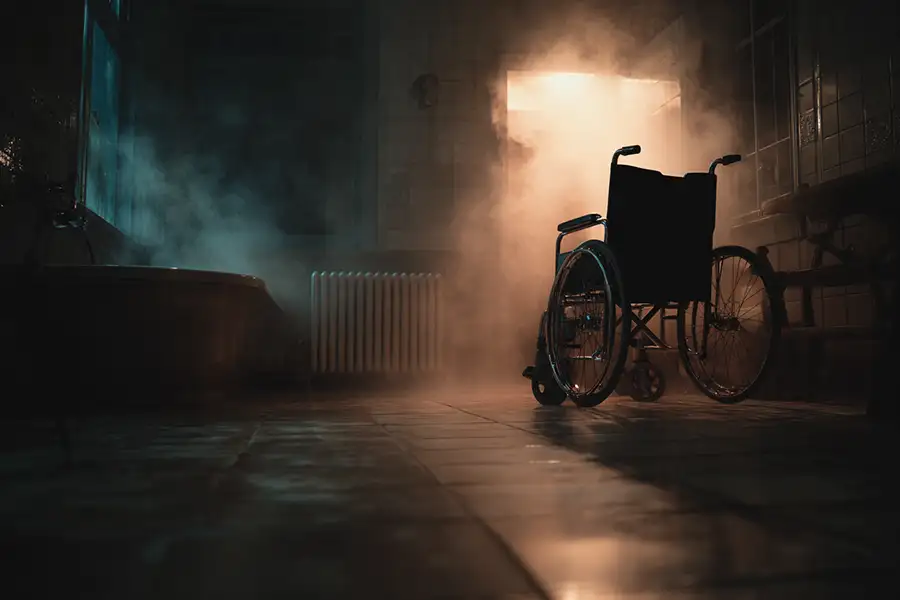
Preventable burn injuries are a red flag of systemic neglect, making immediate investigation essential before more harm occurs.
Common Causes of Burns in Nursing Homes
Burn injuries rarely happen by accident in elder care facilities. Instead, they are usually the result of unsafe conditions or negligent care.
Frequent causes of burns in Long Island nursing homes include:
- Scalding from overly hot bath or shower water
- Contact burns from heating pads, radiators, or kitchen equipment
- Electrical burns due to faulty wiring or medical devices
- Fires caused by smoking, kitchen mishaps, or oxygen tank misuse
These dangers persist in both Nassau County elder care homes and Suffolk County facilities, despite clear safety regulations. Neglect lawsuits often uncover repeated violations of safety protocols.
When staff ignore water temperature policies or fail to monitor high-risk residents, it creates conditions where tragedy is inevitable.
Recognizing the Signs of Burn Injuries
Families must remain vigilant. Elderly residents are often unable to explain what happened, leaving injuries unexplained or misreported.
Warning signs of nursing home burns include:
- Unexplained blisters, redness, or scarring
- Bandaged wounds without clear explanations
- Residents avoiding bathing or appearing fearful of staff
- Facility staff offering vague or inconsistent accounts of injuries
These indicators may point to physical abuse symptoms or dangerous neglect. In some cases, untreated burns lead to life-threatening infections such as sepsis.
Quick medical evaluation is critical to prevent long-term harm or wrongful death from untreated injuries.
Legal Protections for Nursing Home Residents in New York
New York law provides powerful tools for families to hold negligent nursing homes accountable. Burn injuries often fall under both neglect and abuse statutes.
Families may pursue claims under CPLR § 214, which gives three years to file most personal injury lawsuits. When a municipal-run nursing facility is involved, strict deadlines apply: General Municipal Law § 50-e requires a Notice of Claim within 90 days, and General Municipal Law § 50-i sets a one-year-and-90-day filing deadline.
In addition, Public Health Law § 2801-d allows residents to sue for deprivation of their rights in nursing homes, including the right to safe care.
These statutes ensure that families have legal recourse, but deadlines are strict-acting quickly is essential to protect claims. Alonso Krangle LLP can help families navigate these deadlines-call 800-403-6191 for immediate guidance.
The Role of Oversight and Investigations
Oversight failures often contribute to repeated burn injuries in facilities. Reports from the New York Attorney General have uncovered widespread neglect and financial fraud that leave residents unprotected.
The New York State Department of Health also plays a key role in inspecting nursing homes, yet families often discover problems only after injuries occur. Federal regulators, such as the Centers for Medicare & Medicaid Services (CMS), impose safety standards that require proper supervision of at-risk residents.
Unfortunately, both Nassau and Suffolk County families continue to report serious safety violations, including scalding incidents and heating pad burns. Medical negligence investigations frequently reveal understaffing as a root cause.
When oversight fails, private legal action becomes one of the few effective tools to drive accountability and change.
What Families in Nassau and Suffolk Counties Can Do
When a loved one suffers burns in a nursing home, swift action is vital. Families in Nassau and Suffolk counties should first secure immediate medical treatment and demand full documentation of the injury.
Next, request incident reports, photographs, and witness statements from the facility. If answers are delayed or unclear, that itself is a warning sign of liability. Abuse reporting steps include notifying the Department of Health and filing a formal complaint.
Consulting with experienced nursing home attorneys ensures deadlines are met and evidence is preserved. Early legal involvement increases the likelihood of proving both negligence and systemic abuse.
By acting quickly, families not only protect their loved one but may prevent other residents from suffering similar injuries.
Compensation for Burn and Temperature Injuries
Legal claims for burn injuries in nursing homes may cover both economic and non-economic damages. Compensation reflects the seriousness of the harm and the negligence involved.
Recoverable damages often include:
- Medical expenses and rehabilitation costs
- Pain and suffering, including emotional trauma
- Wrongful death claims in the most severe cases
- Reimbursement for stolen or misused funds
Burn injuries often require painful treatments, including skin grafts and long-term wound care. Families pursuing claims may also hold facilities accountable for punitive damages when reckless neglect is proven.
Securing compensation not only provides financial relief but also forces nursing homes to confront dangerous practices and change unsafe policies.
Frequently Asked Questions About Nursing Home Burns
What are the most common causes of burns in nursing homes?
The most common causes include scalding water, heating pads, and electrical malfunctions. Many of these incidents result from staff negligence or lack of monitoring.
How can I tell if my loved one’s burn injury was from neglect?
Unexplained burns, vague staff explanations, and repeated safety issues suggest neglect. Request medical records and facility reports to confirm the cause.
When do I need to file a claim for nursing home burns in New York?
You generally have three years under CPLR § 214 to file. If the facility is municipal, you must file a Notice of Claim within 90 days.
Who can be held liable for burn injuries in a Long Island nursing home?
The facility, staff, or contractors may be responsible. Liability depends on whether unsafe policies or negligent actions caused the injury.
Can families recover damages for financial exploitation alongside burn injuries?
Yes, financial exploitation claims may be combined with injury cases. This allows recovery for both physical harm and stolen assets.
What prevention measures should nursing homes use to stop burns?
Facilities must regulate water temperatures, monitor residents using heating devices, and repair unsafe equipment. CMS requires these safety standards nationwide.
How can families in Nassau and Suffolk counties report suspected abuse?
Families can report to the NY Department of Health or Attorney General. They may also consult resident rights resources for guidance.
What should I do immediately if I suspect my loved one was burned?
Seek emergency medical care and photograph the injuries right away. Then contact a nursing home neglect lawyer to protect your legal rights.
Get Immediate Help for a Burn Injury Case
Burns in nursing homes are not minor accidents-they are preventable injuries that signal serious neglect. If your loved one has been harmed, you do not need to face this battle alone.
Families across Long Island, from Nassau to Suffolk County, have successfully held negligent facilities accountable. With Alonso Krangle LLP on your side, you can demand answers, secure justice, and protect your loved one’s dignity.
Call Alonso Krangle LLP at 800-403-6191 today for a free consultation. We are ready to fight for your family and ensure no nursing home gets away with putting residents in danger.
Speak with An Attorney
Submit This Form or Call 800-403-6191