

Common Types of Birth Injuries During Labor and Delivery
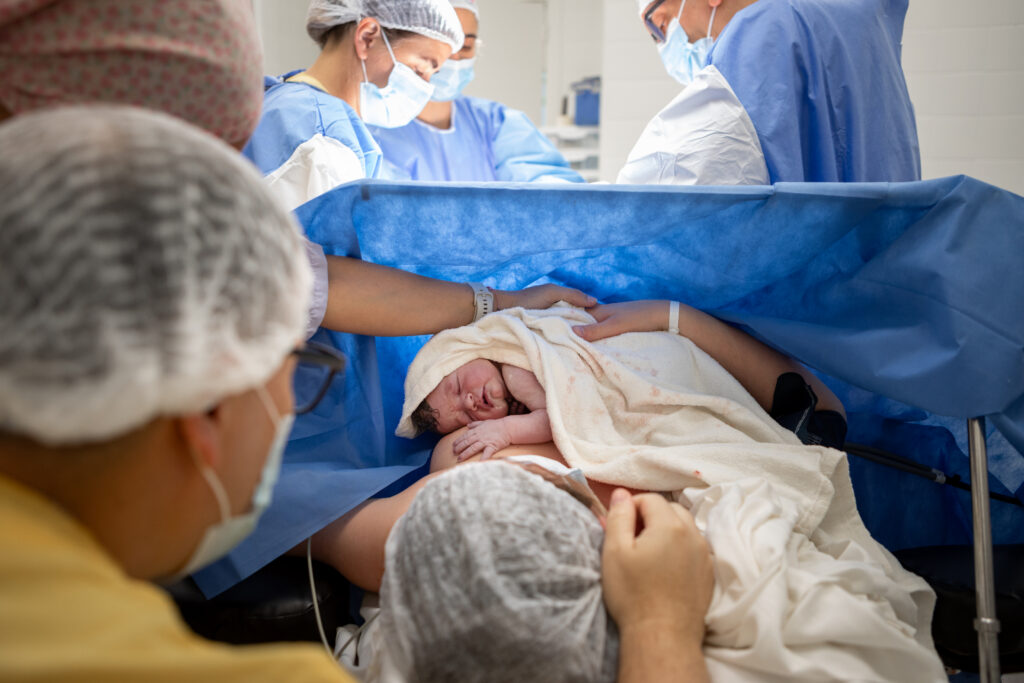
The birth of a child is one of life’s most meaningful moments. Parents place tremendous trust in doctors, nurses, and other healthcare professionals to provide safe, attentive care throughout pregnancy, labor, and delivery. While many births occur without complications, unexpected medical problems can arise that require prompt and appropriate action.
Not every birth injury is preventable. However, when healthcare providers fail to recognize complications, delay necessary treatment, or make avoidable mistakes during labor and delivery, both the baby and the mother can suffer serious harm. Some birth injuries may heal over time, while others can lead to lifelong medical challenges. Understanding the most common types of birth injuries can help families recognize potential concerns and better understand their legal rights when preventable medical errors may have contributed to an injury.
What Is a Birth Injury?
A birth injury is physical harm that occurs to a baby before, during, or shortly after delivery. These injuries can happen for a variety of reasons, including difficult labor, complications during childbirth, or problems that arise during medical care.
It is important to understand that not every birth injury is the result of medical negligence. Some complications cannot be prevented, even when healthcare providers follow appropriate standards of care. However, when an injury results from avoidable mistakes or delayed medical decisions, families may have legal options to pursue compensation.
Common Types of Birth Injuries
Birth injuries vary in severity, and some may require ongoing medical treatment or specialized care throughout a child’s life.
Some of the most common birth injuries include:
- Cerebral palsy
- Brachial plexus injuries, including Erb’s palsy
- Hypoxic-ischemic encephalopathy (HIE)
- Skull fractures
- Bone fractures, including broken collarbones
- Facial nerve injuries
- Brain injuries caused by oxygen deprivation
Early diagnosis and treatment may improve outcomes for some children, making it important for parents to discuss any concerns with their child’s healthcare provider.
What Can Cause a Birth Injury?
Labor and delivery can change quickly, requiring medical providers to make timely decisions based on the health of both the mother and baby. When those decisions are delayed or appropriate care is not provided, the risk of injury may increase.
Potential causes of preventable birth injuries include:
- Failure to monitor fetal distress
- Delayed emergency cesarean section (C-section)
- Improper use of forceps or vacuum extraction
- Failure to respond to oxygen deprivation
- Medication errors during labor
- Failure to recognize complications involving the umbilical cord
Each delivery is unique, and determining whether negligence occurred requires a careful review of the medical records and surrounding circumstances.
Signs Parents Should Watch For
Some birth injuries are immediately apparent after delivery, while others may not become noticeable until weeks or months later as a child begins to grow and develop.
Parents should speak with a healthcare provider if they notice concerns such as:
- Difficulty feeding
- Limited movement in an arm or shoulder
- Developmental delays
- Muscle stiffness or unusual muscle tone
- Seizures
- Delayed physical milestones
While these signs do not automatically indicate a birth injury, they may warrant further medical evaluation.
When a Birth Injury May Lead to a Medical Malpractice Claim
Medical malpractice occurs when a healthcare provider fails to meet the accepted standard of care and that failure causes harm to a patient.
In birth injury cases, this may involve questions such as:
- Were warning signs of fetal distress recognized?
- Was appropriate action taken when complications developed?
- Were accepted labor and delivery procedures followed?
- Could the injury have been prevented with timely medical care?
These cases often require a detailed review by qualified medical experts to determine whether the care provided met accepted medical standards.
Evidence That May Be Important in a Birth Injury Case
Birth injury claims are often medically complex and rely on detailed documentation to determine what occurred during labor and delivery.
Important evidence may include:
- Prenatal medical records
- Labor and delivery records
- Fetal monitoring strips
- Hospital records
- Imaging studies
- Medical evaluations from specialists
These records can help establish the timeline of events and determine whether preventable errors contributed to a child’s injuries.
Alonso Krangle Fight for Victims of Birth Injuries
A birth injury can change the course of a family’s life, bringing unexpected medical challenges, emotional stress, and financial uncertainty. While not every birth complication is preventable, families deserve answers when they believe a medical error may have caused unnecessary harm. Alonso Krangle represents families throughout Long Island, Nassau County, Suffolk County, Queens, and New York in complex medical malpractice and birth injury cases. The firm is committed to helping parents understand their legal rights and pursue accountability when preventable medical negligence results in serious injuries. If your child suffered a birth injury and you have questions about your legal options, contact Alonso Krangle for a free consultation and confidential case evaluation. Call us at 800-403-6191 or contact us online for a free consultation and confidential case evaluation.
Speak with An Attorney
Submit This Form or Call 800-403-6191