

Connection Between Understaffing and Nursing Home Abuse
The Connection Between Understaffing and Nursing Home Abuse
When nursing homes are dangerously short on staff, residents pay the price-sometimes with their lives. Nursing home understaffing has become a crisis across Long Island, with devastating consequences for vulnerable residents. It’s not just an administrative failure; it’s a key factor that leads directly to abuse and neglect.
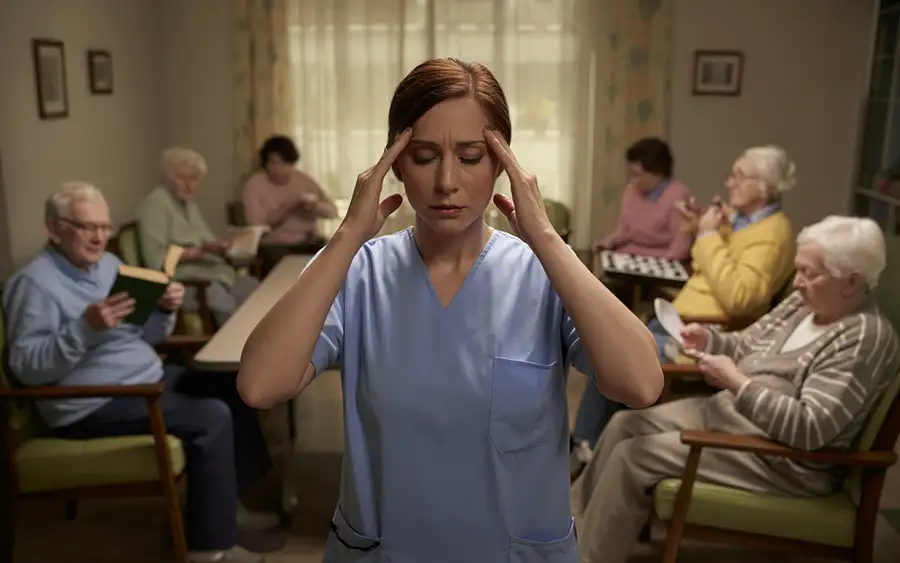
Imagine a single certified nursing assistant responsible for 20 residents on a night shift. There’s simply no way that person can provide each resident with the attention and care they need. The result? Missed medications, untreated bedsores, ignored call bells, and residents left sitting in soiled bedding for hours. This is the reality for far too many people in understaffed nursing homes in Long Island.
The consequences of inadequate staffing aren’t just inconvenient-they’re often life-threatening. Families report their loved ones becoming dehydrated, malnourished, and suffering severe injuries like fractures from preventable falls. Understaffing is often the root cause of such outcomes, and it’s our job to hold these facilities accountable for the harm caused.
Why Understaffing Happens in Nursing Homes
There’s a disturbing truth behind chronic nursing home neglect and abuse: it’s often fueled by profit. Many nursing homes are run by corporate chains or private owners who minimize staffing costs to maximize revenue. This means fewer nurses and aides per resident, and more corners cut when it comes to care.
In Long Island, these decisions are especially troubling given the large and growing population of seniors. Instead of responding with increased resources, some facilities reduce their hiring or rely on underqualified or temporary workers. In one well-documented case, a dementia patient wandered off unsupervised due to a lack of staff. He was found disoriented and severely dehydrated after walking the streets alone – showing that poor staffing isn’t just a numbers issue; it’s a danger to life.
The problem is also rooted in industry-wide issues like low pay and high turnover. Nursing assistants-who perform the majority of hands-on care-are often overworked, undertrained, and burned out. With some homes operating at dangerously low staff-to-resident ratios, residents are left without help for basic needs like bathing, eating, or using the bathroom.
Types of Abuse Linked to Understaffing
Understaffing doesn’t just cause missed care; it opens the door to a wide range of abuse and neglect. When workers are overwhelmed, they may lash out in frustration, ignore residents’ needs, or simply disappear for long stretches, leaving residents to suffer alone.
Here are some of the most common forms of abuse connected to staffing shortages in Long Island nursing homes:
- Physical abuse: Staff who are frustrated and exhausted may grab, push, or handle residents roughly.
- Neglect: Residents are left in soiled clothing, miss medications, or go without meals or water.
- Emotional abuse: Overworked aides may ignore residents’ cries for help, mock them, or isolate them from others.
- Sexual abuse: Poor supervision allows predatory staff or other residents to take advantage of the vulnerable.
- Financial exploitation: In chaotic or unsupervised settings, staff may steal from residents or coerce them into giving access to money or valuables.
Each of these types of harm has been tied to understaffed nursing homes in Long Island and across New York. In multiple lawsuits filed by the state Attorney General, facilities were found to be woefully short on staff while the owners siphoned away funds meant for care. These weren’t isolated incidents-they were part of a pattern of corporate greed and resident suffering.
Common Injuries from Abuse and Neglect in Understaffed Facilities
When nursing homes are short-staffed, the risk of serious, preventable injuries skyrockets. Our firm has seen many cases where residents endured unnecessary pain or lost their lives due to injuries that could have been avoided with adequate care. In understaffed nursing homes in Long Island, these injuries often go undetected or untreated until they escalate into medical emergencies.
Some of the most common injuries tied to nursing home neglect and abuse include:
- Falls: Residents with mobility issues are at high risk of falling when not properly supervised or assisted, often resulting in broken hips, skull fractures, or traumatic brain injuries.
- Bedsores: Also known as pressure ulcers, these are a direct result of immobility and poor hygiene-both clear signs of neglect.
- Malnutrition and dehydration: Skipped meals, lack of water, or improperly managed feeding schedules can quickly lead to serious health complications.
- Medication errors: Overworked staff may give the wrong dose, miss a medication entirely, or administer it at the wrong time, sometimes with deadly consequences.
- Infections: Poor hygiene, unclean wound care, and missed signs of illness can lead to sepsis, pneumonia, or urinary tract infections.
In one Long Island case, a resident with diabetes wasn’t monitored properly and slipped into a diabetic coma. In another, a woman developed stage IV bedsores and later died from sepsis. These are not rare exceptions-they are the predictable results of poor staffing and indifferent management.
Why Families Must Be on High Alert for Red Flags
Families often rely on nursing homes to provide care they can’t deliver themselves, expecting professionalism and compassion. But when staff is overwhelmed, those expectations can quickly collapse. That’s why it’s critical to know the warning signs of nursing home abuse and neglect, especially in facilities with known staffing issues.
Watch for these red flags:
- Unexplained bruises, cuts, or broken bones
- Changes in behavior-withdrawal, fear, or sudden silence around staff
- Weight loss, signs of dehydration, or persistent infections
- Unclean conditions, including soiled bedding or dirty bathrooms
- Missing personal items or strange banking activity
If something feels off, it probably is. Many residents are unable or afraid to speak up. They may fear retaliation or lack the cognitive ability to communicate what’s happening. This makes vigilance from family members even more critical-especially in facilities where staff-to-resident ratio problems are already creating unsafe conditions.
In Long Island, these signs should never be ignored. A growing number of facilities in the area have been the subject of lawsuits and state investigations for allowing abuse to flourish under the guise of budget constraints.
Accountability and Legal Action for Long Island Elder Abuse Cases
Families have legal options when their loved one suffers harm in a nursing home. In New York, the law recognizes a resident’s right to be treated with dignity and receive proper care. When that doesn’t happen due to understaffing, our firm works to hold facilities accountable for the damage they cause.
Under New York law, nursing homes must maintain adequate staffing to meet the needs of residents. Failing to do so is a breach of duty-and in many cases, a violation of residents’ rights under Public Health Law § 2801-d. Residents or their families may be entitled to pursue claims for:
- Medical expenses and costs of additional care
- Pain and suffering-both physical and emotional
- Wrongful death, in cases where neglect leads to a fatal injury
- Punitive damages, in cases of gross negligence or willful misconduct
For example, if a facility continues admitting residents while knowing it lacks the staff to provide safe care, that’s more than neglect-it could be evidence of reckless disregard. In Long Island, several high-profile cases have revealed nursing homes pocketing public funds while failing to hire enough caregivers. Those actions can form the basis for powerful civil claims.
If your family has suffered harm due to nursing home understaffing, speak with our lawyers. We understand how painful these cases are, and we’re ready to help you navigate your legal options.
State Oversight and Notable Long Island Investigations
In recent years, the New York State Attorney General has taken an aggressive stance on nursing home abuse cases, especially those rooted in understaffing. Several Long Island facilities have been investigated or sued for diverting funds away from resident care while failing to maintain minimum staffing levels.
One of the largest enforcement actions revealed that hundreds of residents across four nursing homes-including two on Long Island-were neglected due to lack of staff. Residents sat in their own waste, missed critical medications, and died from preventable infections like sepsis and pneumonia. Despite warnings and pleas from staff, ownership groups chose profits over people. Instead of hiring more nurses, they redirected Medicare and Medicaid funds to real estate deals and inflated management fees.
These disturbing examples highlight why nursing home understaffing is more than just a management problem-it’s a public health threat. And Long Island families should know that these patterns are not isolated. Facilities from Nassau County to Suffolk have faced scrutiny, and more enforcement actions are likely as new complaints arise.
While regulatory agencies like the New York Department of Health and the Attorney General’s Office can impose penalties, real change often starts when families speak up. Civil lawsuits can uncover systemic issues and force facilities to improve. Your voice, and your legal claim, may be the difference between continued neglect and real accountability.
How Families Can Help Prevent Abuse in Understaffed Homes
When nursing homes fall short, families are often the last line of defense. There are practical steps you can take to protect your loved one and help prevent further abuse-especially if you suspect staff-to-resident ratio problems.
Here’s what you can do:
- Visit frequently and at different times – Unannounced visits during nights or weekends can show you how care changes when supervisors aren’t around.
- Document everything – Keep notes of conversations with staff, condition changes, and any incidents. Photographs and logs can be powerful evidence if legal action becomes necessary.
- Ask direct questions – Don’t be afraid to ask about staffing levels, training procedures, or how medications are managed. Good facilities should welcome transparency.
- Report concerns – You can file complaints with the New York State Department of Health or the Attorney General’s Medicaid Fraud Control Unit. Your report might already align with existing investigations.
- Connect with advocates – Groups like the Long Term Care Ombudsman Program can help families raise concerns and understand residents’ rights.
When families get involved early, they can often spot patterns of neglect before they turn deadly. Your involvement sends a signal-to staff and to ownership-that someone is watching and will speak up if necessary.
If Your Loved One Has Been Harmed by Understaffing, We’re Here to Help
No family should have to wonder whether their loved one is being neglected behind closed doors. If you’ve noticed signs of mistreatment, or if you’ve lost a parent or grandparent in what you believe was a preventable situation, it’s time to take action.
At Alonso Krangle, LLP, our lawyers are committed to fighting for justice in Long Island elder abuse cases. We investigate nursing home conditions, expose unsafe staffing practices, and hold negligent owners accountable for the harm they’ve caused. Our team knows how to uncover patterns of corporate misconduct, including cases where staff were set up to fail due to profit-driven policies.
These cases are emotionally difficult, but you don’t have to navigate them alone. Our lawyers will guide you through every step, from reviewing medical records and facility staffing logs to filing formal claims and representing your family in court. If we determine the facility violated New York Public Health Law, we will pursue all available remedies-whether that’s financial compensation, injunctive relief, or both.
If you suspect your loved one has suffered due to understaffed nursing homes on Long Island, we want to hear your story. The first step is a free, confidential consultation where we listen to what happened and explain your options.
Call Alonso Krangle, LLP today at 800-403-6191 or use the contact form on this page. Let us help your family get the justice and dignity your loved one deserves.
Frequently Asked Questions About Nursing Home Understaffing and Abuse
How do I know if my loved one is being neglected in a nursing home?
Signs of neglect can include unexplained weight loss, bedsores, sudden changes in behavior, poor hygiene, missed medications, or recurring infections. If staff are evasive or if call bells go unanswered during your visits, these may also indicate a lack of proper care due to understaffing.
What are the legal responsibilities of nursing homes when it comes to staffing?
Under New York law, nursing homes must maintain adequate staffing levels to provide the care residents need. Facilities are required to meet minimum standards for staff-to-resident ratios and are prohibited from accepting more residents than they can safely care for. Failing to meet these standards can be grounds for legal action.
Can I sue a nursing home for understaffing if it led to my loved one’s injury?
Yes. If your loved one suffered injury or death because of inadequate staffing, you may have grounds for a lawsuit under New York Public Health Law § 2801-d. Our lawyers can help you gather the necessary evidence-such as staffing logs, medical records, and witness testimony-to prove your case.
What types of damages can be recovered in a nursing home understaffing case?
Depending on the circumstances, you may be able to recover damages for medical expenses, pain and suffering, emotional trauma, and in some cases, punitive damages. If the neglect resulted in death, surviving family members may also pursue a wrongful death claim.
Are there deadlines for filing a nursing home abuse lawsuit in New York?
Yes. In most cases, you must file a nursing home abuse claim within three years of the incident. However, if the claim involves a government-run facility, a Notice of Claim must be filed within 90 days. It’s critical to act quickly to preserve your rights and evidence.
What should I do if the nursing home won’t let me see my loved one?
This can be a serious red flag. You have a right to visit and check on your family member. If a facility is denying access, especially without explanation, you should document the incident and report it to the Long Term Care Ombudsman Program or the New York Department of Health. Our lawyers can also step in to help protect your loved one’s rights.
How can I check staffing levels at a Long Island nursing home before placing my loved one there?
You can use the Centers for Medicare & Medicaid Services’ Nursing Home Compare tool, which shows staffing data, inspection reports, and facility ratings. In addition, New York State provides inspection results through the Department of Health website. Visiting the facility unannounced and speaking directly with staff and residents can also reveal a lot.
What should I bring to my consultation with a nursing home abuse lawyer?
Bring any documentation you have, including medical records, photographs of injuries, written notes of incidents, witness contact information, and any correspondence with the nursing home. The more details you provide, the better prepared our lawyers will be to assess your case and help you move forward.
Speak with An Attorney
Submit This Form or Call 800-403-6191