

Anti-Obesity Medications: Assess the Risks & Legal Implications
The Effectiveness of New Anti-Obesity Medications
New treatments in the fight against weight, anti-obesity medications such as tirzepatide (Zepbound®) and semaglutide (Wegovy®), have shown promising results in weight reduction. However, their effectiveness in treating obesity, a condition affecting over 40% of adults in the U.S., raises important legal considerations. As these medications are increasingly prescribed to treat obesity as a chronic metabolic disease, the potential for misuse and off-label prescribing grows, posing significant legal risks.
While these anti-obesity medications represent a significant advancement in obesity treatment, their rapid market entry underscores a need for stringent regulatory oversight. Legal concerns arise regarding accurate representation of drug efficacy, potential side effects, and long-term health implications. The responsibility of pharmaceutical companies with weight-loss medications and healthcare providers to ensure informed consent and safe use of these medications is paramount.
Legal professionals must monitor the promotion and prescription of these medications closely. With a high efficacy reported in clinical trials, including an average weight reduction of over 20% with tirzepatide, the legal system must be prepared to address any issues arising from their widespread use, including potential litigation due to adverse effects or misrepresentation of benefits.
Side Effects and Consumer Advocacy
Common side effects of these new anti-obesity drugs, such as diarrhea, nausea, and vomiting, are concerns that need to be clearly communicated to patients. Based on the legal concerns raised, lawyers are focusing on severe side effects related to the use of semaglutide in medications such as Ozempic®, Mounjaro®, and Wegovy®. The allegations suggest that the manufacturers may have not provided adequate warnings about these risks. The side effects that are central to these lawsuits include:
Stomach paralysis: A condition medically referred to as gastroparesis, where the stomach takes too long to empty its contents, leading to a range of digestive issues.
Intestinal paralysis: Similar to stomach paralysis, but affecting the intestines, which can severely disrupt the digestive process.
Intestinal obstruction: A blockage that prevents food or liquid from passing through the small or large intestine, which can be a medical emergency if not treated promptly.
These conditions can lead to significant discomfort, the need for medical intervention, and in some cases, long-term health consequences. Patients experiencing such symptoms are advised to seek immediate medical attention.
For patients experiencing significant side effects, legal recourse may be necessary. It is important for them to understand their rights and options. Lawyers focused on pharmaceutical litigation play a critical role in advocating for these patients, ensuring they receive appropriate compensation and that pharmaceutical companies are held accountable for any negligence in drug development and marketing.
Eligibility and Accessibility Concerns
Not everyone is eligible for treatment with medications like semaglutide. The drugs are intended for adults with obesity or overweight with weight-related medical problems such as high blood pressure, type 2 diabetes, or high cholesterol. Legal issues can arise when these drugs are prescribed to individuals outside of these parameters, potentially leading to harmful health outcomes and legal liabilities for prescribers.
Accessibility to these anti-obesity medications is another significant concern. The high cost of drugs like semaglutide, which is not always covered by insurance for weight loss, poses a barrier to many who could benefit from them. This disparity raises legal questions about the equitable distribution of healthcare treatments and the responsibility of insurance providers to cover effective obesity treatments.
Long-Term Treatment and Legal Implications
Doctors indicate that patients may need to continue these anti-obesity medications for years, possibly for life, to maintain weight loss. This prolonged use raises legal questions about the long-term safety of these drugs and the responsibility of pharmaceutical companies to conduct comprehensive post-market surveillance. Monitoring long-term health outcomes is crucial to identify any late-emerging side effects or health risks.
Patients discontinuing these medications and experiencing weight regain may face health complications. Legal professionals must be prepared to address cases where discontinuation of treatment leads to adverse health outcomes, particularly if patients were not adequately informed about the necessity of long-term use.
The ongoing legal responsibility of healthcare providers to manage and monitor patients on these long-term treatments is also a key consideration. Providers must ensure that patients are regularly evaluated and that any emerging health issues are promptly addressed. Failure to do so could result in legal actions for medical negligence or malpractice.
Understanding the Risks
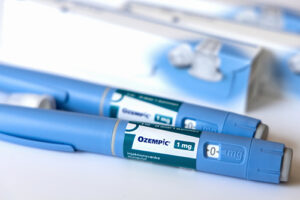
Ozempic Insulin injection pen or insulin cartridge pen for diabetics. Medical equipment for diabetes parients. Copenhagen, Denmark – May 17, 2023.
The introduction of new anti-obesity medications like tirzepatide and semaglutide represents a significant advancement in obesity treatment. However, their effectiveness comes with a range of legal considerations concerning side effects, long-term use, accessibility, and patient eligibility. Legal professionals play a critical role in advocating for patient safety, informed consent, and equitable access to these treatments.
If you have experienced adverse effects or face challenges accessing these anti-obesity medications, it is important to seek legal advice. Contact Alonso Krangle, LLP at 800-403-6191 for experienced representation. Our team is committed to advocating for your rights and ensuring that you receive the care and treatment you deserve.
Credit: [Yale Medicine]
Speak with An Attorney
Submit This Form or Call 800-403-6191