

Dehydration & Malnutrition: Urgent Warning in Long Island Nursing Homes
Dehydration & Malnutrition in Long Island Nursing Homes
Dehydration and malnutrition are not just medical issues – they are often clear signs of nursing home neglect. Families across Long Island have seen their loved ones suffer because facilities fail to provide basic hydration and nutrition. This neglect can quickly escalate into severe illness or even wrongful death.
In both Nassau County and Suffolk County, nursing homes are legally required to monitor residents’ nutritional needs. When they fail to do so, residents face risks of kidney failure, infections, confusion, and fatal complications. These outcomes are preventable and stem from neglect, not natural aging.
If you notice sudden weight loss, dry mouth, confusion, or recurring infections in your loved one, these are dangerous red flags of dehydration and malnutrition. Suffolk nursing home neglect cases often reveal a pattern of understaffing and ignored care plans.
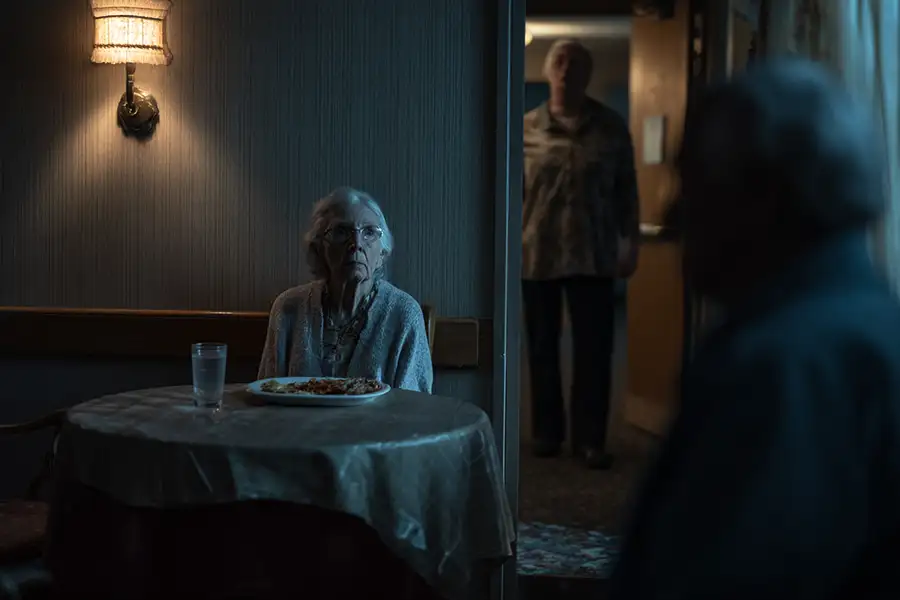
Families must take immediate action when these warning signs appear, as delay can cost lives. Let’s look at the causes, consequences, and legal remedies available under New York law.
Warning Signs Families Must Watch For
Recognizing early signs of dehydration or malnutrition is critical. These conditions may develop gradually, making them harder to spot unless families remain vigilant. Nursing homes should perform regular nutritional assessments, but neglect often leaves these needs unmet.
Common indicators include sudden weight loss, cracked lips, dry skin, dizziness, and reduced urine output. Emotional changes such as confusion, irritability, or sudden lethargy may also point to dangerous nutritional deficiencies.
Some residents develop recurring urinary tract infections or pressure ulcers when hydration and nutrition are ignored. These complications should never be dismissed as “normal aging.” Emotional abuse in nursing homes often compounds the harm, as neglected residents may stop asking for help entirely.
When staff fail to monitor meals, provide assistance with feeding, or ensure access to water, they place vulnerable residents in immediate danger. Families must speak up quickly.
Why Dehydration and Malnutrition Happen in Nursing Homes
Neglect, not medical inevitability, causes most cases of dehydration and malnutrition in nursing homes. On Long Island, many facilities struggle with chronic understaffing, leading to rushed or skipped meals and ignored hydration needs. Residents requiring feeding assistance are especially at risk.
In some cases, facilities deliberately cut costs by reducing staff or purchasing low-quality food. These cost-saving measures leave residents malnourished and families devastated. A 2023 lawsuit by the New York Attorney General revealed that several facilities diverted millions of taxpayer dollars meant for resident care into private profits, leaving residents suffering from severe dehydration and malnutrition (NY Attorney General Report).
Other times, staff fail to follow doctors’ dietary orders, whether due to poor training or disregard. For example, residents with swallowing disorders may not receive proper thickened liquids, resulting in aspiration pneumonia and hospitalization.
This neglect is a violation of both medical standards and state law. It is not acceptable and it is not excusable.
Health Risks of Dehydration and Malnutrition
The health consequences of dehydration and malnutrition can be devastating. These conditions weaken the body’s immune system, delay healing, and increase the risk of fatal complications. For elderly residents, even short periods of neglect can cause irreversible harm.
Malnutrition can lead to muscle wasting, brittle bones, and a higher risk of falls and fractures. Dehydration frequently causes electrolyte imbalances, confusion, and cardiac stress. Combined, they drastically shorten life expectancy.
According to the Centers for Medicare & Medicaid Services, facilities are required to provide residents with adequate nutrition and hydration. Failure to meet these standards exposes nursing homes to legal liability.
Families in Nassau and Suffolk counties must understand that these risks are preventable. With proper oversight, hydration and nutrition problems should never reach life-threatening stages.
Legal Rights Under New York Law
New York law provides strong protections for nursing home residents. Families can bring claims under CPLR § 214, which generally allows three years to file a personal injury lawsuit. In cases involving wrongful death, the time limit is typically two years from the date of death.
If a municipal-run facility is involved, families must also file a notice of claim within 90 days under General Municipal Law § 50-e and bring the lawsuit within one year and 90 days under General Municipal Law § 50-i.
New York’s Public Health Law § 2801-d specifically allows nursing home residents to sue for injuries resulting from violations of their rights, including failure to provide adequate food and water.
These statutes are powerful tools, but strict deadlines apply. Families must act quickly to protect their legal claims. For immediate legal guidance, contact Alonso Krangle LLP at 800-403-6191 for a free consultation.
Steps Families in Long Island Can Take
If you suspect your loved one is being neglected, you must act quickly. Start by documenting every sign of dehydration and malnutrition, including photos of weight loss, empty water pitchers, or missed meals.
Request care records from the facility and demand explanations from administrators. In Nassau and Suffolk counties, you may also file complaints with the New York State Department of Health, which regulates nursing homes.
At the same time, consider speaking with experienced elder neglect lawyers who understand how to hold facilities accountable. Legal action may be the only way to protect your loved one and secure compensation for their suffering.
Acting early can prevent further harm and force nursing homes to correct dangerous practices.
Compensation for Victims and Families
Families may be entitled to compensation for medical expenses, pain and suffering, and in some cases, punitive damages. Courts in New York recognize that neglect leading to dehydration and malnutrition causes devastating harm to both victims and their families.
In wrongful death cases, families can also recover damages for funeral costs, loss of companionship, and other losses. Compensation can provide financial stability and a sense of justice after profound neglect.
Recoveries depend on the evidence collected, the severity of the harm, and the facility’s level of negligence. Strong documentation helps build a successful case.
Legal action not only provides compensation but also pressures facilities to improve conditions, protecting future residents from harm.
Frequently Asked Questions About Dehydration & Malnutrition
What are the first signs of dehydration in nursing home residents?
The first signs include dry mouth, sunken eyes, and reduced urine output. Families should also watch for confusion, dizziness, or rapid weight loss.
How can I tell if my loved one is malnourished?
Malnutrition shows as sudden weight loss, brittle hair, and muscle wasting. Ask staff about meal logs and request medical evaluations for confirmation.
When do I need to file a lawsuit in New York?
You generally have three years for injury claims under CPLR § 214. Wrongful death cases usually require filing within two years of death.
Who investigates nursing home neglect in Long Island?
The New York State Department of Health regulates and investigates facilities. The Attorney General’s office also pursues major abuse and fraud cases.
Who can be held liable for dehydration and malnutrition?
Nursing home owners, administrators, and staff may be liable for neglect. In municipal facilities, families must comply with strict notice of claim rules.
Can victims of neglect recover financial compensation?
Yes, compensation may include medical costs, pain and suffering, and wrongful death damages. Families should consult nursing home resident rights resources for more details.
How can families prevent dehydration and malnutrition?
Frequent visits and close monitoring of meals are the best prevention. Families should also stay informed about the role of family visits in preventing abuse.
Take Immediate Action to Protect Your Loved One
Dehydration and malnutrition in Long Island nursing homes are urgent dangers, not minor oversights. If your loved one is showing warning signs, do not wait. Facilities in Nassau and Suffolk counties must be held accountable when they ignore basic care needs.
Alonso Krangle LLP is committed to protecting vulnerable residents and fighting for families across Long Island. Call us today at 800-403-6191 for a free consultation. Every day counts when it comes to stopping nursing home neglect.
Speak with An Attorney
Submit This Form or Call 800-403-6191