

Warning – Weis Branded Applesauce Pouches Recall
WanaBana Fruit Puree Applesauce Recall: Understanding the Health Risks
The recent recall of WanaBana Apple Cinnamon Fruit Purée pouches, initiated by the U.S. Food and Drug Administration (FDA), has raised significant public health concerns. This applesauce recall, which includes all batches of the product, was prompted by the discovery of elevated levels of lead in the samples. As a precautionary measure, the FDA has advised parents and caregivers to immediately cease feeding these pouches to children and to consult healthcare providers for lead testing in children who may have consumed the product.
Lead poisoning is a severe health risk, particularly for young children. It can lead to developmental delays, learning disabilities, behavioral problems, and serious neurological damage. The recall underlines the importance of safety in children’s food products and the potential consequences of lead contamination.
This applesauce recall is not an isolated incident. Annually, various children’s products are recalled due to lead hazards. Lead in children’s products, especially those intended for consumption, is a matter of grave concern due to its harmful effects. Young children are especially vulnerable to lead exposure due to their developing bodies and the likelihood of ingesting or coming into contact with contaminated products.
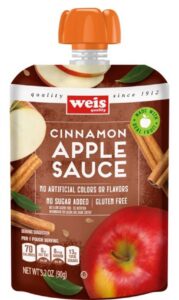 Image source: FDA |
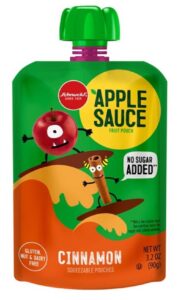 Image source: FDA |
Legal Implications and Consumer Rights
From a legal standpoint, this applesauce recall opens the door to potential product liability lawsuits. Manufacturers can be held strictly liable for such contaminations. Consumers affected by the recall have the option to seek financial compensation through civil lawsuits. This legal framework emphasizes the responsibility of manufacturers in ensuring the safety and quality of their products.
As the number of illnesses potentially linked to the applesauce recall and pouches has risen, the FDA continues to monitor the situation closely. The agency has also been working with retailers like Dollar Tree to remove the recalled products from shelves. Contaminated cinnamon from Ecuador is suspected to be the source of lead, and the FDA is coordinating with Ecuadorian authorities in its investigation.
The legal and regulatory aspects of this situation highlight the importance of compliance with safety standards. It serves as a reminder to manufacturers of their legal obligations and to consumers of their rights to safe products. The availability of legal recourse for affected families underscores the seriousness of the issue and the potential consequences for manufacturers that fail to adhere to safety guidelines.
Safety Precautions and Future Measures
In response to this applesauce recall health crisis, consumers are advised to follow FDA guidelines for disposing of the recalled products. Parents and caregivers should also monitor their children for any symptoms of lead poisoning and seek medical advice if exposure is suspected. Staying informed about product recalls and safety alerts is crucial in ensuring the safety of children’s products.
The FDA’s ongoing investigation aims to determine the source of contamination and assess if other products are affected. Screening incoming shipments of cinnamon for lead contamination has become a necessary safety measure. This situation highlights the complexities of global supply chains and the need for stringent quality control measures at every step.
Consumers are encouraged to stay updated with the FDA’s advisories and updates. Understanding the risks associated with lead poisoning and the steps to take in case of exposure is essential. This recall serves as a critical reminder of the need for vigilance in product safety and the importance of regulatory oversight in protecting public health.
Protecting Your Family: Navigating the WanaBana Recall
The WanaBana fruit pouch recall due to lead contamination is a serious public health issue. This applesauce recall brings to the forefront the critical importance of product safety, particularly in children’s food products. The widespread impact of this applesauce recall highlights the need for rigorous safety standards and vigilant regulatory oversight.
The health risks associated with lead poisoning, especially in young children, are profound and long-lasting. Parents and caregivers must be proactive in ensuring the safety of the products their children use and consume. In cases of potential exposure, seeking immediate medical advice is crucial.
This recall also emphasizes the legal responsibilities of manufacturers and the role of regulatory agencies like the FDA in protecting public health. It serves as a stark reminder of the consequences of failing to meet safety standards and the importance of maintaining vigilance in product safety. For families affected by this applesauce recall, understanding their legal rights and options is an essential step in addressing the impact of this public health concern.
Seek Legal Assistance for WanaBana Fruit Pouch Recall
If you or your family have been affected by the WanaBana fruit pouch recall, it is vital to understand your legal rights and options. Exposure to lead, especially in children, can have long-term health consequences, and it’s important to take action to protect your family’s well-being. This applesauce recall is of serious concern to those who use the product and feed it to their children.
At Alonso Krangle, LLP, we specialize in product liability cases and are committed to helping families navigate the complexities of this recall. Our experienced legal team understands the nuances of such cases and is prepared to offer the support and guidance you need during this challenging time.
Contact us today for a consultation to discuss the specifics of your case. We will provide you with the information you need to make an informed decision and guide you through every step of the legal process. Your health and safety are our top priority, and we are here to help ensure that your rights are protected. Reach out to us at 800-403-6191 to get started.
The Role of Regulatory Agencies in Food Safety
Regulatory agencies play a crucial role in ensuring the safety and quality of food products. In the United States, the Food and Drug Administration (FDA) is at the forefront of this battle, working tirelessly to prevent foodborne illnesses and protect public health. Through rigorous oversight and enforcement mechanisms, these agencies establish and enforce safety standards for food producers and manufacturers. Their responsibilities include conducting inspections, overseeing product recalls, and implementing regulatory actions against entities that violate food safety laws. This continuous vigilance helps to identify potential health risks before they reach consumers, ensuring that food products are safe for consumption.
The challenge of maintaining food safety is compounded by the global nature of the food supply chain. Ingredients and products sourced from around the world must meet the stringent safety standards set by regulatory bodies. This global network requires agencies to collaborate with international partners to monitor and manage the safety of imported food products. Despite these efforts, incidents like the WanaBana fruit puree applesauce recall highlight the complexities and challenges faced in ensuring food safety across borders. Regulatory agencies must constantly adapt to new threats and challenges in the food supply chain, employing a mix of traditional inspection methods and cutting-edge technologies to protect public health.
Oversight and Enforcement Mechanisms
The oversight and enforcement mechanisms employed by regulatory agencies are critical in maintaining food safety. The FDA, for example, conducts regular inspections of food production facilities, tests samples for harmful contaminants, and reviews manufacturing practices to ensure compliance with safety standards. When a potential risk is identified, the FDA has the authority to initiate recalls, issue warnings, and take legal action against companies that fail to meet safety requirements. These mechanisms serve as both a deterrent against non-compliance and a corrective measure to remove unsafe products from the market. By holding companies accountable, regulatory agencies uphold the integrity of the food supply and protect consumers from health risks.
Regulatory Responses to Food Safety Violations
The response of regulatory agencies to food safety violations plays a pivotal role in managing public health risks. When violations are detected, agencies like the FDA can impose a range of actions, from issuing warning letters to mandating product recalls and seeking legal injunctions against manufacturers. These responses are tailored to the severity of the violation and the risk posed to public health. For instance, in the case of the WanaBana fruit puree recall, the FDA’s swift action to recall the contaminated products and investigate the source of lead contamination exemplifies the agency’s commitment to preventing widespread health issues. Such regulatory responses not only address immediate safety concerns but also signal to the industry the importance of compliance with food safety standards, ultimately fostering a safer food environment for consumers.
Source: FDA
Speak with An Attorney
Submit This Form or Call 800-403-6191