

Former Governor Cuomo Faces DOJ Referral Over COVID
Andrew Cuomo’s DOJ Referral Related to COVID-19
Former New York Governor Andrew Cuomo now faces a Department of Justice (DOJ) referral over his administration’s handling of COVID-19 nursing home data, particularly concerning fatalities in nursing homes. The DOJ is investigating Cuomo’s decisions during the pandemic, including allegations that his administration underreported COVID-related deaths among nursing home residents. This issue has sparked intense scrutiny, with critics accusing Cuomo of misleading the public and compromising transparency to protect his political standing.
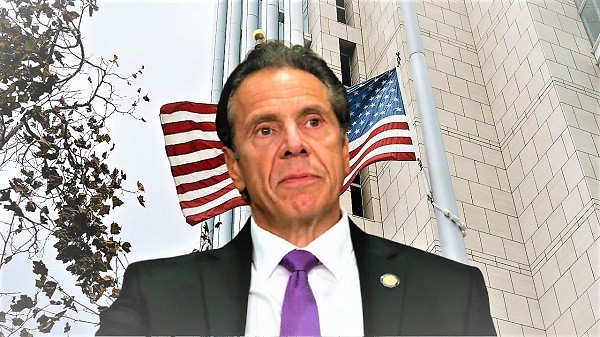
Image from Flickr.com
The referral follows ongoing debates around the decision to return COVID-positive patients to nursing homes early in the pandemic, a policy that many believe contributed to the high number of nursing home fatalities. According to recent reports, the DOJ’s decision to move forward with this referral signals a heightened level of accountability for actions taken during one of the nation’s most critical public health crises. Cuomo has repeatedly denied wrongdoing, maintaining that his policies were in line with federal guidance at the time.
This development raises questions about the extent to which Cuomo’s policies may have affected COVID-19 outcomes and underscores a broader issue about accountability in government actions during the pandemic. As this DOJ investigation unfolds, it may set a precedent for how officials are held accountable for public health decisions made during emergencies.
Timeline of Events Leading to the DOJ Referral
The journey to the DOJ referral began with the onset of the COVID-19 pandemic in early 2020. Governor Cuomo, initially lauded for his leadership in a crisis, became a controversial figure following his administration’s decision to implement policies affecting New York’s nursing homes. Notably, in March 2020, an executive order allowed COVID-positive patients to return to nursing homes to free up hospital capacity. As COVID-19 spread, New York saw a significant rise in nursing home deaths, leading to scrutiny of Cuomo’s actions.
By mid-2020, reports began surfacing that the Cuomo administration might have been misreporting nursing home fatalities. In early 2021, whistleblowers came forward, alleging that nursing home death counts were understated in official reports. The New York Attorney General released a report in January 2021 highlighting discrepancies, which prompted the DOJ to examine whether Cuomo’s administration had violated any federal regulations through inaccurate reporting. By October 2024, the DOJ formally referred the case for further investigation.
This timeline illustrates the progression from policy decisions made under emergency conditions to legal scrutiny, with each step marking increased calls for transparency and accountability. With more details emerging, the public and DOJ seek clarity on the full impact of Cuomo’s nursing home policies during the COVID-19 pandemic.
Cuomo’s COVID-19 Nursing Home Policy and Public Reactions
 Cuomo’s controversial COVID-19 nursing home policy permitted the return of COVID-positive patients to nursing facilities-a decision intended to alleviate hospital overcrowding. However, this policy led to significant backlash, as many families of nursing home residents and healthcare advocates claimed that it unnecessarily exposed vulnerable populations to the virus. The measure stirred public debate and fueled mistrust in the administration, with accusations that the policy contributed to preventable deaths.
In response to mounting criticism, Cuomo defended his administration’s decisions, arguing they were guided by the best information available at the time. He pointed to similar federal guidelines that recommended freeing up hospital space as COVID-19 cases surged. Despite these defenses, critics argued that nursing homes were ill-equipped to handle COVID-positive patients, placing resident safety at risk.
The public reaction to this policy evolved from initial concerns to organized advocacy by affected families and organizations. For many New Yorkers, the nursing home policy remains a painful reminder of the pandemic’s impact on vulnerable communities. This policy decision became a focal point for the DOJ’s interest, raising questions about ethical responsibilities and appropriate public health practices during a crisis.
Allegations of Misinformation in Nursing Home Death Reports
One of the most serious accusations against former Governor Cuomo involves alleged misrepresentation of nursing home COVID-19 death data. Whistleblowers and investigative reports, including findings from the New York Attorney General’s office, claimed that Cuomo’s administration underreported the number of deaths among nursing home residents. According to these reports, deaths of residents who passed away after being transferred to hospitals were not consistently included in the nursing home death counts, potentially lowering the reported numbers by a significant margin.
This alleged underreporting has raised questions about Cuomo’s motives and whether he misled the public to protect his administration’s reputation. The New York Attorney General’s report suggested that the true count of nursing home fatalities could have been up to 50% higher than the figures initially disclosed. This discrepancy has now become central to the DOJ’s referral, as officials assess whether the administration violated federal regulations by omitting accurate data in a public health crisis.
These revelations have had a lasting impact, particularly among families of nursing home residents who lost loved ones during the pandemic. The perceived lack of transparency and accountability surrounding these deaths has not only intensified scrutiny of Cuomo’s actions but also underscored the ethical challenges faced by public officials during the COVID-19 crisis.
Federal and State Investigations: DOJ’s Role
The Department of Justice plays a critical role in investigating potential violations of federal laws by state officials, particularly when public health policies may have misled the public. While state authorities had already investigated Cuomo’s actions, the DOJ referral represents an escalation to federal scrutiny. The DOJ is now examining whether Cuomo’s administration engaged in conduct that could constitute obstruction of justice, falsification of records, or other federal violations.
This federal-level investigation underscores the DOJ’s commitment to upholding transparency and accountability, especially in a case with such far-reaching implications. With the New York Attorney General’s findings providing a foundation, the DOJ is working to determine if criminal charges may be warranted. The DOJ’s intervention has highlighted how severe the allegations against Cuomo’s administration are, as well as the potentially lasting legal repercussions he may face.
The DOJ referral may also set a new precedent for how federal authorities respond to similar cases involving state leaders’ handling of public health crises. This case may influence how future investigations are conducted when issues of public safety, data accuracy, and governmental transparency are at stake.
Potential Criminal Charges and Legal Implications for Cuomo
If the DOJ finds evidence of misconduct, Cuomo could face several legal challenges. Potential charges include obstruction of justice if his administration is found to have actively hindered federal investigations or altered reports. Additionally, charges of falsifying public records may arise if nursing home death data was knowingly misreported.
Historically, cases involving public officials are complex, as prosecutors must demonstrate not only that misleading actions occurred, but also that these actions were intended to deceive or mislead authorities or the public. If the DOJ uncovers sufficient evidence, Cuomo could face a high-stakes trial that would likely attract national attention, given the gravity of the allegations.
This potential legal battle could have broad implications, not only for Cuomo but also for other public officials handling crisis management. It serves as a reminder of the legal responsibilities held by government leaders, particularly when managing sensitive public health information during a crisis.
Public Trust in Government and Impact of the Referral
The DOJ’s decision to investigate Cuomo has had a profound impact on public trust in government transparency and accountability. Many New Yorkers feel disillusioned by the alleged data manipulation, seeing it as a betrayal of trust during one of the most critical times in recent history. For some, the allegations signal a broader issue within government reporting practices, calling into question whether other vital data may have been similarly handled.
The impact of this investigation reaches beyond Cuomo and his administration; it touches on the trustworthiness of government institutions as a whole. This case underscores the importance of transparency and accountability in building and maintaining public trust. Public perception is likely to shape future policies, pushing leaders to be more cautious and transparent in their actions and communications.
The outcome of this investigation may redefine expectations for transparency in governmental responses to crises. It may also catalyze calls for systemic changes in how data is reported and reviewed to ensure accuracy and integrity in government communications.
Cuomo’s Public Defense and Response to DOJ Allegations
Throughout the ongoing investigation, Cuomo and his legal team have consistently defended his administration’s decisions. Cuomo claims that his policies were based on the information available at the time and that he followed federal guidelines. He has emphasized that the return of COVID-positive patients to nursing homes was intended to relieve hospitals overwhelmed with patients, and that any discrepancies in data reporting were unintentional or misinterpreted.
Cuomo’s defense team argues that the former governor is being unfairly targeted for decisions made under unprecedented circumstances. They maintain that the DOJ’s referral is politically motivated, asserting that Cuomo acted in the public’s best interest during a rapidly evolving health crisis. Cuomo has also highlighted his administration’s overall COVID response, framing the allegations as an attempt to overshadow the positive aspects of his leadership.
However, public skepticism remains, especially among those who lost loved ones in nursing homes. As the DOJ investigation advances, Cuomo’s statements will be scrutinized further, and his legal defense will need to provide a compelling argument to counter the allegations of intentional misinformation.
Impact on Cuomo’s Political Future and Legacy
The DOJ referral could significantly alter Cuomo’s political legacy. Once seen as a potential presidential contender, Cuomo’s reputation has suffered due to these serious allegations. His handling of the COVID-19 crisis, once praised as an example of strong leadership, is now overshadowed by claims of mismanagement and dishonesty.
While Cuomo has not publicly expressed interest in returning to politics, this investigation could have lasting consequences on his influence and standing within the Democratic Party. Even if he avoids criminal charges, the damage to his public image and legacy may hinder any future attempts to re-enter the political arena.
This case serves as a cautionary tale about the potential risks and reputational damage that public officials face when transparency and accountability are called into question. The long-term effects on Cuomo’s legacy will depend heavily on the DOJ’s findings and any legal repercussions that may follow.
What’s Next for the DOJ Investigation Process
With the DOJ now involved, the investigation process is expected to intensify. The DOJ will likely conduct interviews with key figures from Cuomo’s administration and review extensive records related to nursing home policies and COVID-19 death data. This process may take several months or longer, depending on the scope of the investigation and the evidence uncovered.
If the DOJ identifies sufficient grounds for prosecution, Cuomo could face charges, setting the stage for a high-profile legal case. Alternatively, the DOJ may recommend additional regulatory changes to prevent similar incidents in the future. The outcome of this investigation could influence how the DOJ handles cases involving government transparency and public health policies moving forward.
The DOJ’s approach to this investigation will be closely watched, as its findings may not only affect Cuomo but also establish new standards for accountability in public health crises.
Role of Transparency in Government Reporting and Accountability
This case underscores the importance of transparency and accountability in government reporting, particularly during a public health crisis. Accurate and timely data reporting is essential for making informed decisions, maintaining public trust, and upholding ethical standards. The alleged underreporting of nursing home deaths in New York has highlighted how misinformation can harm public trust and has emphasized the need for clear, accurate communication from government officials.
In the wake of these allegations, there are calls for reforms to ensure greater transparency in future crises. These reforms may include stricter guidelines on data reporting and greater oversight of state health departments. Clearer standards for public officials could help prevent future discrepancies and enhance public trust in government data.
The investigation into Cuomo’s actions represents a critical moment for accountability in government. It reminds public officials of their duty to maintain transparency, especially during a crisis. As this case progresses, it may prompt systemic changes that improve data accuracy, reporting standards, and oversight mechanisms at both the state and federal levels.
Contact Our Legal Team for Help
If you have questions or concerns regarding the impact of COVID-19 policies on your loved ones in nursing homes, Alonso Krangle, LLP can help. Our attorneys understand the complexities surrounding government accountability and public health regulations. We are here to provide guidance on your legal options and ensure your voice is heard. Contact us today at 800-403-6191 or fill out our online form for a consultation.
Speak with An Attorney
Submit This Form or Call 800-403-6191