

How Staffing Shortages Lead to Nursing Home Tragedies
Long Island Nursing Homes Struggle as Staffing Shortages Turn Dangerous
Staffing shortages have become a serious threat inside many Long Island nursing homes. As facilities struggle to hire and retain enough qualified caregivers, vulnerable residents often bear the brunt of the consequences. Without sufficient nurses, aides, and supervisory staff, critical care tasks may be delayed or missed entirely. For elderly residents who depend on constant supervision, a lack of staffing can easily escalate into life-threatening situations.
In 2024 alone, regulators cited 15 Long Island nursing homes for health and safety violations totaling over $661,000 in fines, according to state and federal inspection reports. Many of these violations were directly tied to failures in care that likely would not have occurred if staffing levels had been adequate. Incidents included unsupervised residents wandering outside for hours, medication errors, physical abuse, and even suicide attempts.
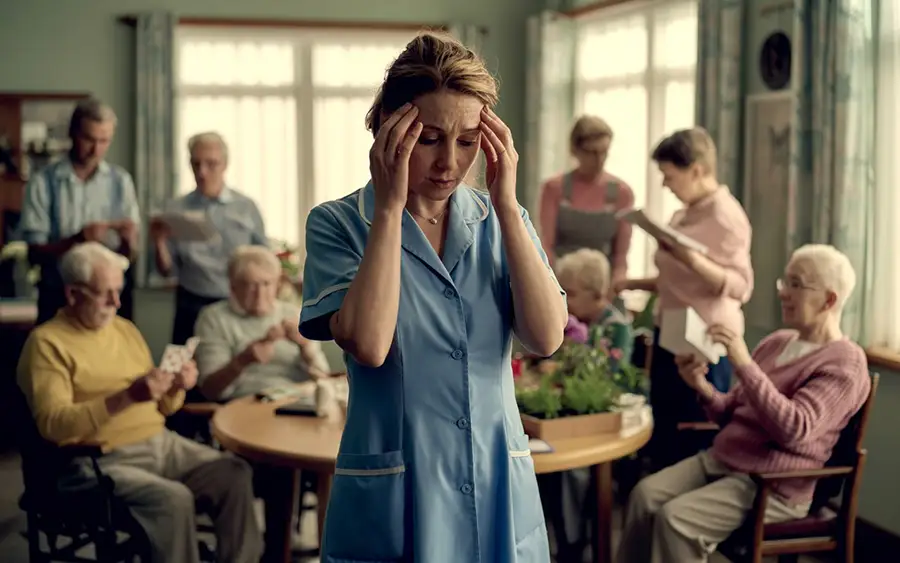
These cases are not isolated. Industry leaders, elder care advocates, and government reports all point to the same root problem: persistent staffing shortages that leave facilities unable to meet even the most basic safety standards. Unfortunately, when staffing drops too low, it’s often the residents who suffer the greatest harm.
On Long Island, where many nursing homes are privately operated, balancing business profits against proper staffing has become a growing concern. While some facilities argue that financial limitations prevent them from hiring more staff, families facing these tragedies see the devastating human cost.
When There Aren’t Enough Caregivers, Residents Face Extreme Risks
Understaffing creates dangerous gaps in care throughout the day. Residents who need help with simple tasks like eating, bathing, or moving may be left waiting far too long for assistance. For patients with cognitive impairments, such as dementia, delays in supervision can lead to wandering incidents, falls, or medical complications.
In one recent Long Island case, a resident at Hempstead Park Nursing Home wandered out of the facility and remained missing for more than 20 hours before being found. The resident had a known history of wandering and was supposed to be monitored every 15 minutes. But because the facility was reportedly “too busy,” that crucial safety check was skipped, directly leading to the incident. The state fined the facility $2,000, while federal regulators levied a $15,445 penalty.
At Maria Regina Rehabilitation and Nursing in Brentwood, an even more alarming incident occurred. A resident with dementia was discovered drinking from a bottle of hair dye left unattended at a nurse’s station. Quick intervention prevented a fatal poisoning, but the episode highlights how dangerous lapses in supervision can be. That facility was fined by both state and federal agencies for the violation.
When there aren’t enough staff members on duty, critical mistakes can happen-sometimes with fatal consequences. Families trust these facilities to provide safe, attentive care. But inadequate staffing makes it nearly impossible for workers to meet those expectations consistently.
Recent Tragedies on Long Island Expose the Human Toll of Staffing Failures
The inspection reports from 2024 paint a chilling picture of what happens when nursing homes fail to maintain safe staffing levels. At Pine Forest Center for Rehabilitation and Healthcare in Huntington, a resident with known suicidal tendencies managed to open a window with a loose screw and jumped from the second story, suffering multiple fractures. Nurses were supposed to check on the resident every 15 minutes but failed to do so consistently. The state fined the facility $10,000.
In Valley Stream, North Shore-LIJ Orzac Center for Rehabilitation faced severe penalties after a resident received dangerously low doses of medication for nearly two weeks. The resident experienced rapid weight gain, fluid retention, heart failure, and ultimately died shortly after being hospitalized. While it remains unclear whether the medication error directly caused the death, this type of breakdown in care coordination is often a consequence of short staffing and overworked nurses struggling to manage caseloads.
At Medford Multicare Center for Living, regulators imposed nearly $140,000 in combined fines after the facility failed to report allegations of sexual misconduct by a staff member. The allegations were dismissed internally without being properly investigated or reported, violating mandatory reporting requirements. These failures can often stem from supervisors being stretched too thin to handle incidents appropriately.
Each of these cases demonstrates how quickly routine care can turn tragic when staffing levels are insufficient to meet residents’ needs. Whether it’s a failure to supervise, report abuse, or administer medications correctly, the consequences are often severe and permanent.
How Short Staffing Enables Abuse and Neglect to Flourish
Staffing shortages don’t just cause unintentional errors-they can also create an environment where abusive behavior is more likely to occur and less likely to be reported. When facilities operate with minimal oversight, staff may feel emboldened to mistreat vulnerable residents, and administrators may ignore or dismiss reports of abuse to avoid drawing attention from regulators.
Cold Spring Hills Center for Nursing & Rehabilitation was fined nearly $118,000 by federal regulators for failing to investigate a report that a certified nursing assistant had roughly grabbed a resident’s hand. Instead of properly investigating the complaint, facility leaders concluded that no abuse occurred, violating legal obligations under both state and federal law.
At St. Catherine of Siena Nursing and Rehabilitation in Smithtown, a certified nursing assistant was observed slapping a resident and roughly pulling another’s limbs. In both cases, the aide was terminated, but only after significant harm had already occurred. The facility was fined over $68,000 by state and federal authorities for failing to prevent and promptly respond to the abuse.
These cases reveal a disturbing pattern. Short staffing makes it difficult for supervisors to monitor care, allows abusive employees to operate unchecked, and delays or discourages proper reporting and investigation of allegations. This combination leaves residents at risk of repeated harm.
Medical Mistakes Rise When Nursing Homes Are Understaffed
Administering medication correctly is one of the most crucial tasks in any nursing home. But when staff are overworked and under-supported, medication errors become far more common. In some cases, these errors lead to tragic results.
At Orzac Center for Rehabilitation, the failure to administer proper medication dosages contributed to a resident’s serious medical decline. The patient gained nearly eight pounds in less than two weeks due to fluid retention, developed heart failure, and died shortly after being hospitalized. Medication mismanagement is a clear example of how reduced staffing levels can result in deadly consequences.
In other cases, even basic care tasks like repositioning immobile residents, monitoring bowel movements, or providing adequate hydration are missed when too few staff are on duty. At Hamlet Rehabilitation and Healthcare Center at Nesconset, a resident died from septic shock due to a severe bowel obstruction that went undetected. The facility faced multiple fines from both state and federal regulators for failing to monitor the resident’s condition.
Medical errors of this nature are preventable with adequate staffing, training, and oversight. When those safeguards are absent, residents suffer serious harm that could have easily been avoided with proper care.
New York’s Minimum Staffing Law: Important, But Not Always Followed
New York has attempted to address the staffing crisis through legislation. A law enacted in 2021 and implemented in 2024 requires nursing homes to provide at least 3.5 hours of care per resident each day, including at least 2.2 hours from certified nurse aides and 1.1 hours from licensed nurses. Failure to meet these standards can result in a $2,000 daily fine, though facilities may challenge penalties if they can show they made substantive efforts to comply.
Unfortunately, many facilities continue to fall short. According to reports, New York nursing homes averaged just 3.59 total nurse staff hours per resident per day, ranking among the ten lowest states nationally. These averages reflect both chronic understaffing and the challenges facilities face in recruiting and retaining qualified staff.
The law gives regulators tools to enforce minimum staffing levels, but enforcement often lags behind actual violations. As a result, some nursing homes continue to operate with dangerously low staffing levels, putting residents at ongoing risk of harm.
For families with loved ones in these facilities, knowing that legal staffing requirements exist can be both reassuring and frustrating-reassuring because the law mandates safe care, but frustrating when violations persist despite these regulations.
Industry Defenses vs. Resident Realities: The Financial Debate
Leaders in the nursing home industry often argue that financial pressures make it difficult to meet staffing requirements. Some facilities claim that Medicaid reimbursement rates, labor costs, and pandemic-related challenges have strained their ability to hire sufficient staff. Industry groups frequently lobby Albany for additional public funding to support care operations.
But advocacy groups and state investigators argue that financial challenges should not justify endangering residents. Richard Mollot, executive director of the Long Term Community Care Coalition, has noted that many facilities continue to generate substantial profits while cutting corners on staffing. During the pandemic, New York passed laws to improve accountability, but enforcement remains inconsistent.
While financial realities cannot be ignored, residents’ health and safety must always remain the top priority. Cost-cutting measures that lead to staff reductions expose vulnerable residents to preventable harm, injuries, and even death.
As the population of elderly New Yorkers grows, balancing financial stability with resident care remains one of the state’s greatest challenges in the long-term care sector.
Families Can Pursue Legal Action After Nursing Home Negligence
When a nursing home’s staffing failures lead to serious harm, families often feel overwhelmed and powerless. But there are legal avenues available. Under New York law, residents and their families can file nursing home injury lawsuits to seek accountability and financial compensation for harm caused by neglect, abuse, or preventable medical errors.
In cases involving government-run facilities or incidents involving municipal entities, special rules apply, including the requirement to file a Notice of Claim before bringing legal action. Additionally, New York’s statute of limitations places strict deadlines on filing personal injury or wrongful death claims related to nursing home abuse and neglect.
Potential damages may include compensation for medical bills, pain and suffering, emotional distress, and wrongful death. For example, families whose loved ones suffered serious injury from medication errors, unmonitored wandering, physical abuse, or lack of supervision due to staffing shortages may be eligible to pursue claims.
It is critical for families to act quickly and gather evidence while memories are fresh and facility records remain accessible. The legal process can help hold negligent facilities accountable and protect other residents from future harm.
Our Firm Stands Ready to Help Families on Long Island
Families who believe their loved ones were harmed due to staffing shortages in Long Island nursing homes should not hesitate to seek answers. At Alonso Krangle, LLP, our lawyers understand the devastating impact that negligent care can have. We aggressively investigate nursing home neglect cases, uncover critical evidence, and fight to hold facilities responsible when they fail to provide proper care.
Our team has helped many families navigate complex claims involving nursing home abuse, nursing home neglect, and personal injury lawsuits. We are here to provide the legal guidance and personal support families need during these difficult times.
If your loved one suffered harm due to a nursing home’s staffing failures, call 800-403-6191 or complete our online form to schedule a confidential consultation. We will review your case and explain your legal options.
Frequently Asked Questions About How Staffing Shortages Lead to Nursing Home Tragedies
How do staffing shortages cause nursing home abuse and neglect?
Staffing shortages leave too few caregivers to provide essential supervision, care, and medical attention. Overworked staff may overlook residents’ needs or fail to prevent abuse, resulting in serious harm.
What laws govern staffing levels in New York nursing homes?
New York law requires nursing homes to provide at least 3.5 hours of care per resident daily, with specific minimums for certified nurse aides and licensed nurses. Facilities that fail to comply may face state fines of $2,000 per day.
Can I sue a nursing home for neglect caused by understaffing?
Yes. Families may pursue personal injury or wrongful death claims if a nursing home’s understaffing caused preventable harm. Damages may include medical expenses, pain and suffering, and emotional distress.
How quickly must I act to file a claim in New York?
Strict statutes of limitations apply in New York. In many cases, you must act within two to three years. For claims involving government-run facilities, a Notice of Claim may be required within 90 days.
What are examples of harm caused by staffing shortages?
Common examples include falls, medication errors, wandering incidents, physical abuse, untreated medical conditions, and emotional trauma-all of which may be preventable with proper staffing.
Do federal regulators fine nursing homes for staffing failures?
Yes. The Centers for Medicare and Medicaid Services (CMS) may impose significant financial penalties on facilities that violate federal care standards, including those related to staffing levels.
What should I do if I suspect my loved one is being neglected?
Document your concerns, request medical records, report the issue to the New York State Department of Health, and contact our lawyers at Alonso Krangle, LLP to discuss potential legal action.
Speak with An Attorney
Submit This Form or Call 800-403-6191