

How to Advocate for Policy Changes to Prevent Nursing Home Abuse
How to Advocate for Policy Changes to Prevent Nursing Home Abuse
When it comes to nursing home abuse, the problem isn’t just individual bad actors-it’s systemic. In Long Island and across New York, we’ve seen repeated failures in oversight, enforcement, and accountability that have left vulnerable residents at risk. But change doesn’t only come from inside the system-it can come from people like you. Family members, community leaders, and everyday citizens play a powerful role in driving legislative and regulatory change that can prevent abuse and neglect before it happens.
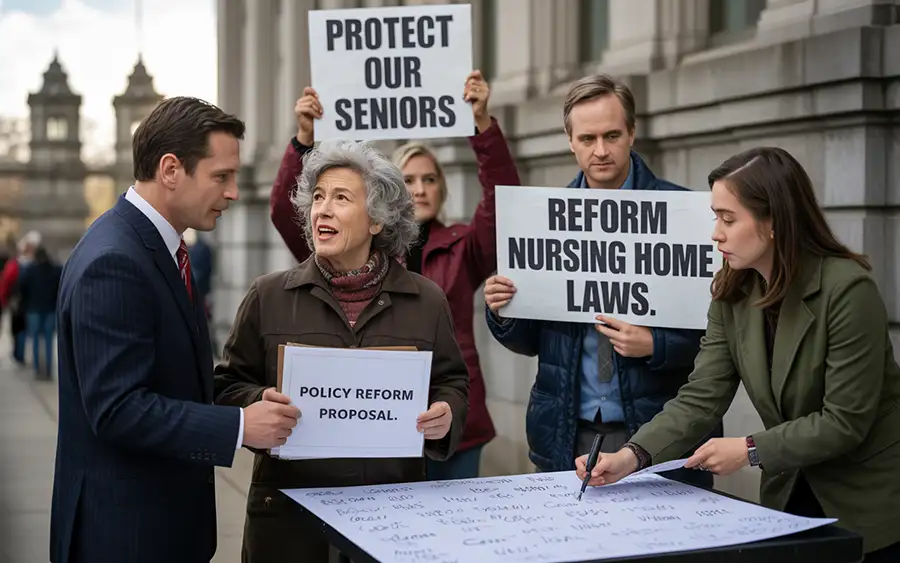
Advocating for better policies to protect nursing home residents means shining a light on the issues, pushing lawmakers to act, and supporting efforts that hold facilities accountable. And in Long Island, where recent headlines have revealed financial abuse, fatal neglect, and facilities pocketing millions while residents suffered, there’s never been a more urgent time to act.
If you’re asking, “How can I help fix this?”-you’re not alone. The path to meaningful reform begins with understanding the problem and finding the pressure points that can lead to real, lasting change. Here’s how to be part of that effort.
Why Advocacy Matters in the Fight Against Elder Abuse
In many cases, the laws protecting nursing home residents only improve after tragedy strikes. That’s unacceptable. Advocacy gives a voice to victims and pushes for laws that prevent abuse before it occurs. When you advocate for better oversight, stricter regulations, and higher care standards, you’re helping shape a system that values safety, dignity, and accountability.
Take Long Island, for example. The Attorney General’s lawsuits against multiple nursing homes across the state-including on Long Island-uncovered horrific conditions: residents left in their own waste, malnourished, with untreated infections and worsening pressure sores. These weren’t isolated lapses-they were the result of greed, poor staffing, and nearly nonexistent enforcement. And it was public outcry that pushed these issues into the spotlight and led to government action.
Advocacy is not just speaking up-it’s pushing policy. Our state legislature has the power to raise penalties for neglect, fund more inspections, mandate staff training, and close loopholes that bad operators exploit. None of that happens without public pressure. Advocacy gives momentum to the legislative wheels that are often slow to turn.
Successful Advocacy Campaigns that Changed the Law
There’s power in numbers, and some of the most meaningful eldercare policy changes have come from organized, relentless advocacy. One example is the fight for staffing transparency. After years of lobbying by elder rights groups, New York State passed laws requiring nursing homes to publicly report staffing levels. This was in direct response to years of complaints from families who couldn’t get answers about why their loved ones were neglected or injured.
Another powerful outcome came from lawsuits and public campaigns that highlighted financial fraud and neglect in nursing homes. One case led to a $45 million settlement and major reforms in four New York facilities, including those on Long Island. That result wasn’t just from lawyers or regulators-it came from residents’ families, healthcare workers, and community groups raising their voices.
On Long Island, advocates pushed for reforms at facilities with chronic violations, eventually helping to install independent monitors and force new ownership in some cases. These stories show that public pressure-when focused and persistent-can change the way facilities are run and how state agencies enforce the law.
How to Engage Policymakers and Influence Change
Advocating for stronger elder abuse prevention laws starts with connecting to the people who write and enforce them. You don’t need to be a lobbyist or legal expert – your personal experience and concern can be enough to move a legislator to act. Lawmakers need to hear real stories from their constituents, especially those in Long Island communities who’ve witnessed nursing home neglect firsthand.
Start by identifying your state senator and assemblymember. Every New York State legislator has contact information online, including phone numbers, emails, and social media handles. Most welcome meetings with concerned citizens, especially when the topic involves vulnerable populations like seniors. Prepare a short message: describe the issue, why it matters, and what you’d like them to do. It might be supporting a new bill, demanding stricter enforcement, or allocating more funding for inspections.
Testifying at public hearings, writing letters to the editor, or joining eldercare coalitions also amplifies your message. These efforts demonstrate public concern, and when enough people speak up, lawmakers notice. Even a few dozen calls to a legislator’s office about nursing home conditions in Long Island can put the issue on their agenda.
Community Involvement Makes a Difference in Long Island
Legislation doesn’t happen in a vacuum. Community involvement is a critical force behind policy reform, especially when it comes to improving Long Island nursing home oversight. Many families feel isolated after discovering abuse or neglect, but community-based advocacy helps turn private pain into public action.
Church groups, neighborhood associations, and senior centers can all play a role in building awareness. Hosting forums, screening documentaries, or organizing town halls with local officials are just a few examples of grassroots efforts that have worked across New York. In Long Island towns like Huntington, Hempstead, and Riverhead, local coalitions have successfully demanded investigations and pushed for reforms after alarming incidents.
You can also collaborate with resident councils inside nursing homes. These councils are made up of residents who meet regularly to discuss issues in the facility. They have the right under New York law to raise concerns, request changes, and advocate for better care. Supporting these groups with information, encouragement, and access to outside resources strengthens their impact.
Resources to Help You Advocate More Effectively
If you’re serious about pushing for change, you don’t have to go it alone. Several national and local organizations provide advocacy training and support for individuals and families impacted by nursing home abuse. These programs offer guidance on how to organize campaigns, communicate with lawmakers, and understand regulatory systems.
Consider these resources:
- The National Consumer Voice for Quality Long-Term Care – Offers toolkits, webinars, and campaigns for nursing home reform.
- New York State Office for the Aging – Provides support for older residents and their caregivers.
- Long Term Care Community Coalition (LTCCC) – A New York-based nonprofit focused on policy reform and facility accountability.
- Local legal clinics and senior advocacy organizations in Long Island often offer workshops on elder law and advocacy rights.
In addition to training, these groups offer guidance on filing complaints with the New York State Department of Health, accessing inspection reports, and building partnerships with local media. Equipped with the right tools, your advocacy can go beyond emotional appeal and become part of the policy-making process.
What Needs to Change – And How You Can Push for It
New York’s current laws don’t always go far enough. While there are regulations meant to protect residents, enforcement can be spotty, penalties can be weak, and facility owners often find ways to skirt accountability. As a result, residents continue to suffer. That’s why advocates are pushing for specific policy reforms across the state-and especially in areas like Long Island where vulnerable populations are growing.
Some key priorities include:
- Mandatory staffing ratios to ensure residents get the care they need
- Criminal penalties for egregious cases of neglect or abuse
- Increased funding for unannounced inspections and enforcement
- Transparency in ownership structures to stop hidden profiteering
- Public reporting of incidents and violations in easy-to-read formats
These changes won’t happen overnight-but they are possible when communities demand them. In the past two years alone, pressure from advocates helped push through new nursing home staffing rules and expanded oversight in New York. With continued effort, we can build a system that puts resident safety ahead of corporate profit.
Our Lawyers Help Long Island Families Demand Accountability
If you or a loved one has experienced abuse or neglect in a Long Island nursing home, advocating for policy reform may be part of your healing-but it’s also important to address what happened to you directly. Filing a legal claim not only holds negligent facilities accountable, it also shines a spotlight on systemic issues that often stay hidden.
Our lawyers at Alonso Krangle, LLP have worked with families in situations just like yours. We’ve helped clients identify the warning signs of neglect, investigate patterns of mistreatment, and seek justice through civil claims. These lawsuits can result in compensation for medical costs, emotional trauma, and other damages. But they also help send a message: neglecting our elders won’t be tolerated, not in Long Island or anywhere else.
Contact Alonso Krangle, LLP to Help Protect Your Loved Ones
Change starts with people who refuse to stay silent. Whether you’re ready to speak to lawmakers, file a complaint, or explore a lawsuit, you don’t have to do it alone. Our lawyers at Alonso Krangle, LLP can help you take the first steps. We understand how painful it is to discover that someone you trusted with your loved one’s care has caused harm-and we’re here to ensure that doesn’t go unanswered.
Call 800-403-6191 or fill out the contact form on this page. Let us help you fight for justice, push for reforms, and make Long Island a safer place for every nursing home resident.
Frequently Asked Questions About How to Advocate for Policy Changes to Prevent Nursing Home Abuse
What are the first steps I can take to start advocating for nursing home reform?
Begin by educating yourself on the issues affecting nursing home residents, particularly in your local area like Long Island. Then, contact your state representatives, join or support elder advocacy organizations, and consider attending public forums or writing letters to your local newspaper to raise awareness.
Can one person really make a difference in changing eldercare laws?
Yes. Many impactful reforms have started with just one person speaking out. Personal stories from constituents often carry significant weight with lawmakers. When those stories are backed by community support, media attention, and organized advocacy, they can lead to meaningful policy change.
Who do I contact in New York if I suspect nursing home abuse or neglect?
You can report suspected abuse to the New York State Department of Health or the Attorney General’s Medicaid Fraud Control Unit. If you believe someone is in immediate danger, call 911. You should also contact our lawyers at Alonso Krangle, LLP to understand your legal rights and options.
How do I know if a nursing home in Long Island is safe and compliant?
You can use the New York State Department of Health’s Nursing Home Profiles or federal databases like Medicare’s Nursing Home Compare. These tools provide inspection reports, staffing levels, and any violations. Visiting the facility in person and speaking with current residents and staff is also important.
What laws exist in New York to protect nursing home residents?
New York has laws that require nursing homes to meet minimum staffing standards, protect residents’ rights, and ensure quality of care. Facilities must comply with both state and federal regulations, including the federal Nursing Home Reform Act and state elder abuse statutes. However, gaps in enforcement are common-hence the need for advocacy.
Can advocacy help even if I’m not ready to file a lawsuit?
Absolutely. Advocacy is about changing the system, not just addressing individual cases. If you’re not pursuing a legal claim, your voice can still help raise awareness, push for better policies, and support other families who are facing similar challenges.
Are there groups in Long Island I can join to advocate for eldercare reform?
Yes. Local branches of statewide organizations like the Long Term Care Community Coalition (LTCCC) and area senior centers often host advocacy efforts. Faith-based groups and community boards sometimes also have eldercare initiatives focused on nursing home oversight and resident rights.
How can legal action support advocacy for broader nursing home reform?
Lawsuits often uncover systemic issues like understaffing, fraud, or repeated violations. These cases bring public attention to serious problems and create pressure on lawmakers and regulators to act. Legal claims don’t just benefit the victim-they help protect others from future harm.
Speak with An Attorney
Submit This Form or Call 800-403-6191