

The Impact of Nursing Home Abuse on Mental Health: What Families Need to Know
Understanding the Scope of Nursing Home Abuse
Nursing home abuse is a significant issue in New York, affecting thousands of residents yearly. It includes physical, emotional, sexual, and financial abuse, all with the potential to cause great harm. Physical abuse involves hitting, pushing, or restraining residents, while emotional abuse often includes verbal threats and isolation. Financial abuse involves unauthorized use of funds, and sexual abuse involves non-consensual sexual activity.
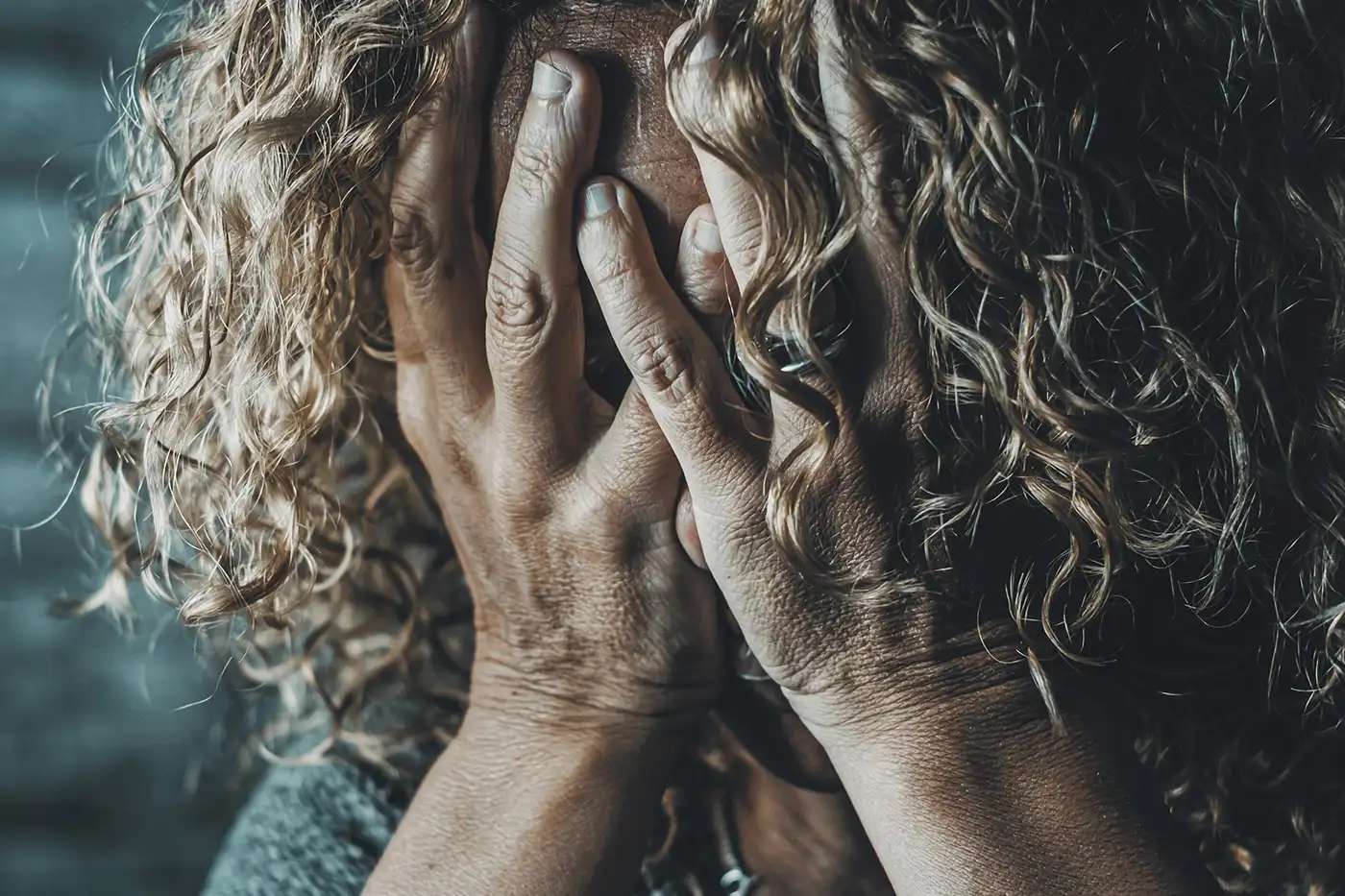
Detecting nursing home abuse is challenging as it often goes unreported due to fear, cognitive impairments, or lack of awareness. Families and caregivers need to be vigilant and understand the signs and symptoms of abuse, incredibly emotional and psychological abuse, which can be subtle.
New York law grants those in nursing homes the right to a safe environment free from abuse and neglect. If you suspect abuse, immediately protect your loved one’s rights and well-being.
Emotional and Psychological Consequences of Abuse
Nursing home abuse can have a profound and long-lasting emotional and psychological impact on victims, leading to severe mental health issues such as anxiety, depression, and PTSD. These conditions can significantly decrease the resident’s quality of life and be as damaging as physical harm.
Consequences of Nursing Home Abuse
- Anxiety: Common responses to abuse, particularly when residents feel powerless or isolated. The fear and stress of ongoing abuse result in symptoms such as panic attacks, insomnia, and difficulty concentrating.
- Depression: On the other hand, it may manifest as persistent sadness, loss of interest in activities, and feelings of hopelessness. In severe cases, depression can lead to suicidal thoughts or behaviors, further endangering the resident’s life.
- PTSD: is another severe consequence of nursing home abuse. Residents who have experienced extreme trauma, such as physical or sexual abuse, may develop PTSD, characterized by flashbacks, nightmares, and heightened anxiety. PTSD can be particularly debilitating for elderly residents, as it exacerbates other health issues and significantly impairs their ability to function daily.
The psychological damage caused by abuse often requires long-term treatment and support, emphasizing the need for swift legal intervention.
Cognitive Decline Linked to Abuse
Nursing home abuse can accelerate cognitive decline, especially in residents vulnerable to conditions like dementia or Alzheimer’s. Psychological trauma from abuse can worsen cognitive impairment, leading to faster deterioration of mental faculties. Stress and fear trigger the body’s response, releasing hormones that can damage the brain over time. This can lead to a more rapid progression of dementia, resulting in a loss of independence and the need for more intensive care.
Abuse can lead to neglect of a person’s cognitive needs, accelerating mental decline and diminishing their quality of life. Legal action is essential to protect individuals and hold abusers accountable.
Social Isolation and Loneliness as a Result of Abuse
Nursing home abuse often leads to social isolation and loneliness, impacting residents’ mental and physical health. This can create a cycle that is difficult to break.
The fear of further abuse often leads to social withdrawal among mistreated residents in nursing homes. This withdrawal can manifest as a refusal to participate in activities and reluctance to interact with others, leading to feelings of depression and anxiety. Social isolation and loneliness can have serious adverse effects on the mental and physical health of elderly residents. Addressing the root causes of this isolation, including abuse, is essential for improving residents’ quality of life and mental well-being.
Legal Options for Addressing Nursing Home Abuse
In New York, residents and families can pursue legal action against nursing home facilities and staff to hold them accountable for abuse. This can involve filing a complaint with the New York State Department of Health or initiating a civil lawsuit. Gathering evidence, such as documenting signs of abuse and speaking with witnesses, is crucial for building a strong case.
Our attorneys are experienced in handling nursing home abuse cases and can guide you through the legal process. We understand the complexities involved in these cases and are committed to fighting for the rights of nursing home residents. If you suspect that your loved one has been a victim of abuse, we are here to help you explore your legal options and pursue the compensation they deserve.
Discuss Your Nursing Home Abuse Case with Alonso Krangle, LLP
If your loved one has suffered from nursing home abuse in New York, it is crucial to take immediate legal action to protect their rights and well-being. At Alonso Krangle, LLP, we are dedicated to holding negligent nursing homes accountable and securing justice for victims of abuse. Our experienced attorneys are ready to discuss your case, answer your questions, and guide you through the legal process.
Call 800-403-6191 today to speak with an attorney about your nursing home abuse case. We offer free consultations and can help you understand your legal options. You can also submit a form online to schedule a consultation. Do not wait – contact us now to protect your loved one and ensure they receive the justice and compensation they deserve.
Speak with An Attorney
Submit This Form or Call 800-403-6191