

Nursing Home Neglect: Protect Your Loved Ones
Nursing Home Neglect on Long Island: A Hidden Crisis
Nursing home neglect is one of the most devastating risks facing families who entrust facilities with the care of their loved ones. In Long Island, where facilities in Nassau and Suffolk counties serve thousands of seniors, the danger of neglect is very real. Families often discover too late that promises of safety and care were broken.
When nursing home neglect occurs, it does not always leave obvious marks like physical abuse. Instead, the harm often appears in untreated infections, dehydration, or emotional decline. These red flags demand immediate attention, as they can signal systemic failures in staffing and oversight.
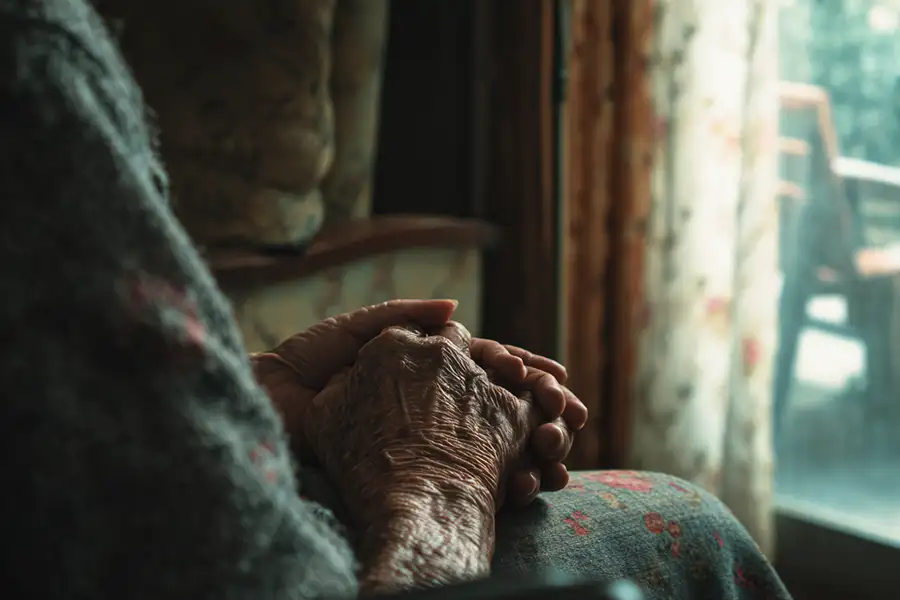
Recent lawsuits by the New York Attorney General revealed facilities that allowed residents to sit for hours in urine and feces, miss meals, and endure life-threatening infections because profits were prioritized over care. These cases show that neglect is not isolated-it is often widespread when oversight is lacking.
Warning Signs of Neglect Families Must Watch For
Neglect can manifest in many ways, some subtle and others life-threatening. Families visiting loved ones in Long Island facilities should be alert for changes that may indicate neglect. These warning signs are often overlooked by busy staff, but they are critical red flags.
Common signs include unexplained weight loss, poor hygiene, untreated medical conditions, and unsafe living environments. Bedsores, repeated falls, and severe dehydration are among the most serious outcomes, often pointing to systemic understaffing.
According to the bedsores in Long Island nursing homes report, pressure ulcers remain one of the clearest signs of neglect because they almost always result from inadequate care. Families should treat these injuries as urgent evidence of unsafe conditions.
Spotting these signs early can prevent long-term harm and create documentation needed to hold facilities accountable in Nassau and Suffolk counties.
Physical and Emotional Harm from Nursing Home Neglect
Neglect does not only affect the body; it also deeply damages emotional well-being. Residents who feel ignored, left alone for hours, or denied basic needs often develop depression, anxiety, or withdrawal. The psychological toll can be just as harmful as physical injuries.
On the physical side, neglect can result in serious complications such as sepsis, broken bones from falls, and untreated infections. Many of these injuries are preventable with proper supervision. Sadly, understaffed facilities on Long Island continue to put residents at risk.
Families have reported that loved ones in Nassau County facilities were left without food, clean clothes, or medical attention. In Suffolk County, similar reports describe residents losing mobility because they were not assisted in moving around or exercising.
Addressing both the emotional and physical harm is essential in any legal case, as the damages extend far beyond the immediate injuries.
Legal Deadlines and Rights Under New York Law
Families considering legal action for neglect must act quickly. In New York, personal injury claims-including nursing home neglect-generally must be filed within three years under CPLR § 214. Wrongful death claims have a shorter deadline of two years.
If the facility is publicly owned or affiliated with a municipality, families must also file a formal Notice of Claim within 90 days under General Municipal Law § 50-e, and lawsuits must be filed within one year and 90 days under General Municipal Law § 50-i.
Families can also pursue claims under Public Health Law § 2801-d, which allows residents to recover damages directly from nursing homes that fail to provide adequate care.
Missing these deadlines can permanently bar recovery. Consulting Alonso Krangle LLP at 800-403-6191 ensures your case is properly filed and your loved one’s rights are protected.
How Families Can Protect Loved Ones in Long Island Nursing Homes
Families are often the first and most important line of defense against neglect. Regular visits, careful observation, and asking direct questions about care can uncover issues staff might hide.
Practical steps include documenting injuries with photos, requesting medical records, and filing complaints with the New York State Department of Health. Families can also contact advocacy groups who monitor local facilities.
Resources such as the legal process for reporting nursing home abuse provide guidance on how to escalate complaints to regulators and law enforcement.
Proactive involvement makes it harder for neglect to go unnoticed and strengthens any future legal claims.
Oversight and Investigations in New York Nursing Homes
Neglect cases in Long Island do not happen in isolation-they often reflect systemic problems exposed by state investigations. The New York Attorney General has repeatedly filed lawsuits against operators who diverted Medicaid funds while residents suffered.
Reports from the New York Attorney General’s office and oversight by the New York State Department of Health highlight persistent failures in staffing and safety. These agencies play a critical role in holding facilities accountable.
Nationally, the Centers for Medicare & Medicaid Services (CMS) sets standards for resident care, and deficiencies in Long Island facilities often show up in CMS inspection reports. Families can check CMS ratings before choosing a facility.
Taking the Next Step: Legal Action Against Neglect
Discovering neglect is overwhelming, but families must act quickly to protect their loved one and preserve their rights. Legal action can secure compensation for medical expenses, pain and suffering, and in some cases, punitive damages to hold facilities accountable.
In both Nassau and Suffolk counties, families have successfully pursued claims that forced facilities to improve conditions and pay damages. These cases send a strong message that neglect will not be tolerated.
If you suspect neglect, a consultation with experienced senior citizen neglect and abuse lawyers from Alonso Krangle LLP can help determine the best path forward. Legal support ensures that your case is filed on time and backed by strong evidence.
Your loved one’s safety and dignity deserve immediate protection, and legal action is often the most effective way to achieve that.
Frequently Asked Questions About Nursing Home Neglect
What are the most common signs of nursing home neglect?
The most common signs include weight loss, poor hygiene, untreated bedsores, and frequent falls. Families should view these as immediate danger signals of unsafe care.
How can I prove neglect in a Long Island nursing home?
You can prove neglect by documenting injuries, collecting medical records, and filing state complaints. An attorney can help gather additional evidence and witness testimony.
When must a lawsuit for nursing home neglect be filed in New York?
Most lawsuits must be filed within three years under CPLR § 214. Wrongful death cases must be filed within two years of the resident’s passing.
Who do I report suspected nursing home neglect to in New York?
Families can report to the New York State Department of Health or the Attorney General’s office. Both agencies investigate neglect and abuse claims in nursing facilities.
Can I recover financial compensation for neglect?
Yes, compensation can cover medical costs, pain, suffering, and in some cases punitive damages. Public Health Law § 2801-d allows direct recovery against nursing homes.
How do I protect my loved one from neglect in Suffolk County facilities?
Regular visits, monitoring conditions, and speaking with staff directly are effective steps. Using resources like the role of family visits guide can help prevent harm.
What if the nursing home is county-owned in Nassau County?
You must file a Notice of Claim within 90 days under General Municipal Law § 50-e. The lawsuit must be filed within one year and 90 days under § 50-i.
Are emotional injuries as serious as physical neglect?
Yes, emotional neglect can cause depression, anxiety, and isolation. Families should treat psychological harm as a critical form of abuse requiring legal attention.
Take Immediate Action for Your Family
Nursing home neglect is not just a violation of trust-it is a direct threat to the health and dignity of your loved one. If your family member in Nassau or Suffolk County shows signs of neglect, you cannot afford to wait.
Help is available. An experienced Long Island Suffolk County nursing home neglect attorney or Nassau County elder abuse lawyer at Alonso Krangle LLP can fight for accountability and justice.
Your loved one’s safety is urgent. Call Alonso Krangle LLP at 800-403-6191 today to protect them and hold negligent facilities responsible.
Speak with An Attorney
Submit This Form or Call 800-403-6191