

Psychological Impact of Nursing Home Abuse on Families
The Psychological Impact of Nursing Home Abuse on Families
Nursing home abuse is a devastating reality that affects thousands of elderly residents each year. But while much of the attention is focused on the victims themselves, the families of these individuals also endure profound emotional, psychological, and financial distress. The betrayal of trust, the helplessness in preventing a loved one’s suffering, and the long-term mental health consequences can leave lasting scars. If your family has been affected by nursing home abuse on Long Island, you are not alone – and legal options exist to hold negligent facilities accountable.
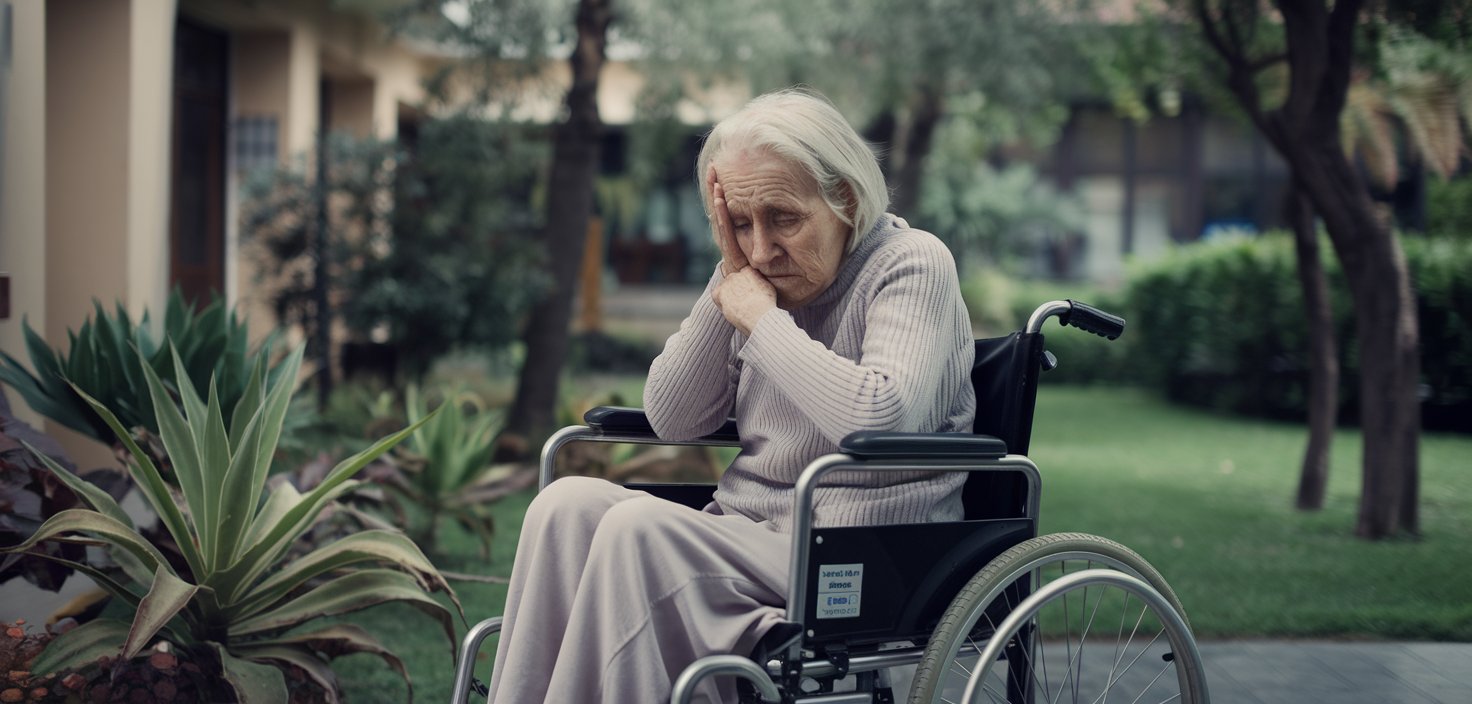
The Emotional Toll on Families
Discovering that a loved one has suffered abuse in a nursing home can lead to overwhelming feelings of guilt, anger, and helplessness. Many family members experience:
- Guilt and self-blame: Family members often feel responsible for placing their loved one in a facility where abuse occurred.
- Anger and frustration: The violation of trust by caregivers and institutions can lead to intense anger, particularly if abuse was ignored or covered up.
- Anxiety and depression: Witnessing a loved one’s suffering or struggling to find alternative care can take a serious mental health toll.
- Post-traumatic stress: Families may replay distressing memories, experience intrusive thoughts, or develop hypervigilance regarding their loved one’s well-being.
For many, the emotional impact lingers long after the abuse is reported, affecting personal relationships and overall well-being.
The Financial and Legal Burdens Families Face
Beyond the emotional distress, families of abused nursing home residents often bear significant financial burdens. These may include:
- Medical expenses: Treating injuries caused by neglect or abuse can result in overwhelming hospital bills and ongoing care costs.
- Relocation costs: Moving a loved one to a safer facility often comes with significant financial strain.
- Legal fees: Pursuing justice through civil lawsuits or other legal actions may require retaining attorneys and other legal expenses.
However, families should not have to shoulder these burdens alone. Compensation may be available to cover medical bills, pain and suffering, and other damages resulting from nursing home neglect.
How Abuse in Nursing Homes Creates Generational Trauma
When an elderly family member experiences mistreatment, the psychological damage does not stop with them. The trauma can extend across generations, affecting children, grandchildren, and even great-grandchildren. Some of the most concerning long-term effects include:
- Loss of trust in caregiving institutions: Families may hesitate to place loved ones in assisted living, even when it is necessary.
- Fear of aging: Witnessing abuse in nursing homes can cause younger family members to develop deep anxieties about growing older.
- Relationship strain: Emotional stress from dealing with a loved one’s abuse can lead to tension and conflict among family members.
For many, the scars of nursing home abuse last long after legal cases are resolved, impacting their perception of healthcare institutions and elder care systems.
Recognizing the Signs of Psychological Trauma in Family Members
Families who have witnessed or learned about nursing home abuse often struggle with emotional trauma that manifests in different ways. It is essential to recognize these signs early to seek help and avoid long-term mental health repercussions. Common signs of psychological distress include:
- Persistent anxiety and worry: Family members may constantly fear for their loved one’s safety, even after the abuse has been addressed.
- Sleep disturbances: Insomnia, nightmares, and frequent waking can be indicators of unresolved stress and trauma.
- Difficulty concentrating: Emotional distress may lead to struggles at work, in personal relationships, or in daily activities.
- Withdrawal from social activities: Feelings of shame, guilt, or helplessness may cause families to isolate themselves.
- Physical symptoms: Chronic stress can result in headaches, digestive issues, high blood pressure, and other health concerns.
If you or someone you know is experiencing these symptoms due to a loved one’s nursing home mistreatment, it is important to seek support, whether through therapy, support groups, or legal assistance.
Legal Avenues for Families Affected by Nursing Home Abuse
Families dealing with the consequences of nursing home neglect or abuse in Long Island have legal options to hold responsible parties accountable. These legal avenues can help secure justice and compensation for both the victim and their loved ones. Common legal actions include:
- Civil lawsuits: Families can pursue financial compensation for medical expenses, emotional distress, and pain and suffering.
- Wrongful death claims: If abuse or neglect resulted in the loss of a loved one, families may be eligible to seek justice through a wrongful death lawsuit.
- Filing a complaint with regulatory agencies: Reporting abuse to state authorities can lead to investigations and facility penalties.
- Punitive damages: In cases of extreme negligence or intentional harm, courts may award additional damages to punish the responsible party.
Taking legal action not only helps the affected family but also protects other vulnerable residents from experiencing similar abuse.
Steps Families Can Take to Heal and Find Support
Recovering from the trauma of a loved one’s abuse requires time, support, and proactive steps. Families should consider:
- Therapy and counseling: Seeking professional mental health support can help process the trauma and manage emotional distress.
- Joining support groups: Connecting with others who have experienced similar situations can offer comfort and guidance.
- Advocating for policy changes: Families can raise awareness and push for stronger nursing home regulations to prevent future abuse.
- Holding nursing homes accountable: Pursuing legal action ensures facilities implement necessary reforms and do not continue harming residents.
No family should suffer in silence. Seeking legal and emotional support can make a difference in healing and preventing future cases of nursing home abuse.
Let Alonso Krangle, LLP Help You Seek Justice
If your loved one has suffered mistreatment in a nursing home, our attorneys at Alonso Krangle, LLP understand the profound emotional toll this takes on families. You deserve justice, and we are here to fight for you. Our team has experience handling nursing home abuse cases in Long Island and can help you navigate the legal process with compassion and dedication.
Contact us today at 800-403-6191 to schedule a free consultation. We will review your case, explain your options, and work to hold those responsible accountable for their actions. You and your family do not have to go through this alone-we are here to help.
Speak with An Attorney
Submit This Form or Call 800-403-6191