

Protecting Children from Sexual Abuse in Schools: Recognizing and Addressing Abuse by Teachers
Protecting Our Children: Understanding and Addressing Sexual Abuse in Schools by Teachers
Sexual abuse of children in schools by teachers is a deeply troubling issue that demands our immediate attention and action. As a lawyer, I want to provide you with the knowledge and tools to recognize, prevent, and address this serious problem. This blog post will cover the key aspects of understanding sexual abuse in schools, identifying signs and symptoms, recognizing grooming tactics, and taking necessary steps if abuse is suspected.
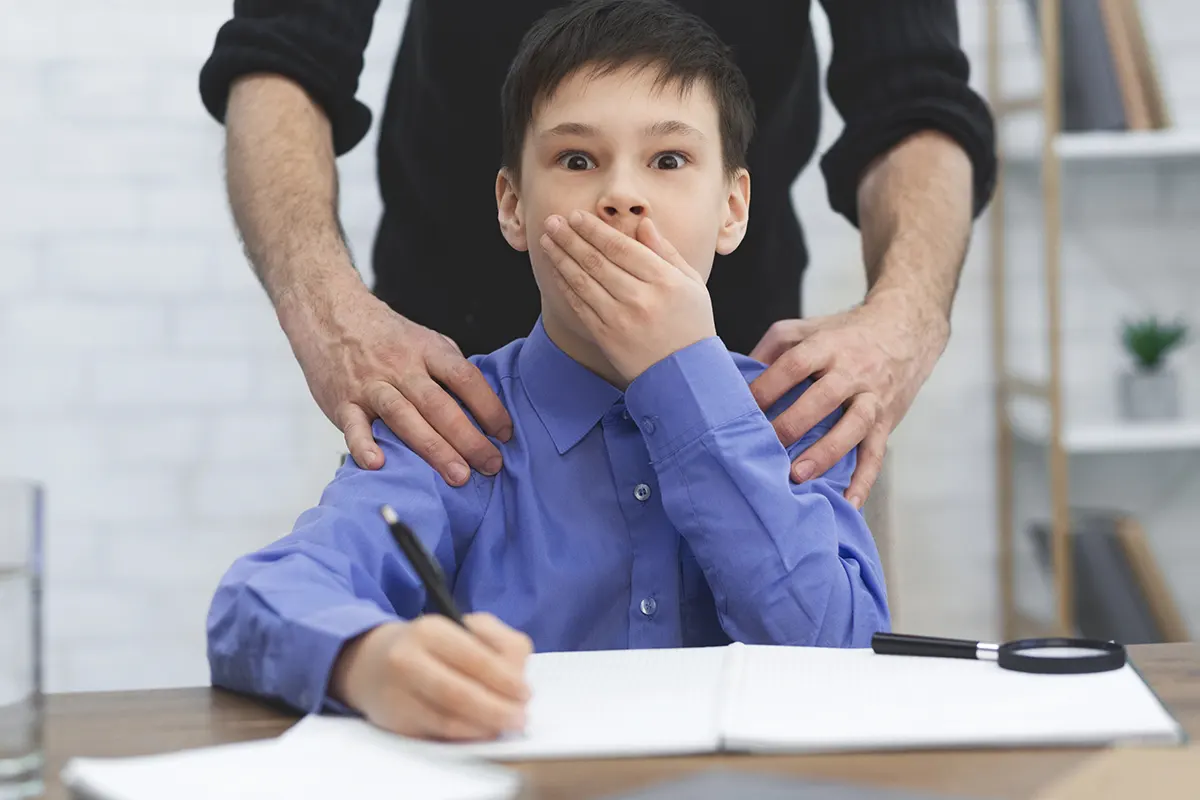
Sexual Abuse in Schools
Definition and Scope: Sexual abuse in schools includes any inappropriate sexual behavior by a teacher or school staff member towards a student. This can range from inappropriate touching and comments to more severe acts of sexual assault.
Prevalence and Statistics: Studies indicate that approximately 10% of students experience some form of sexual misconduct by an educator or other student by the time they graduate high school. This statistic underscores the urgent need for vigilance and proactive measures.
Signs and Symptoms of Sexual Abuse
Physical Signs:
- Unexplained injuries: These may include bruises, scratches, or torn clothing. Such injuries might be found in areas that are typically covered by clothing, making them less noticeable during routine activities.
- Signs of physical trauma in genital areas: This can include bruising, bleeding, or swelling. These signs are particularly concerning and should prompt immediate medical and legal intervention.
- Frequent urinary tract infections (UTIs) or yeast infections: These can sometimes be a result of sexual abuse, especially if they occur repeatedly without a clear medical cause.
- Difficulty walking or sitting: This may be due to physical injuries sustained during abuse. Children might also show reluctance to participate in physical activities that they previously enjoyed.
Behavioral Signs:
- Withdrawal from activities they once enjoyed: A child who was once active and engaged in school or extracurricular activities may suddenly lose interest or refuse to participate.
- Sudden changes in behavior or mood: This can include increased anger, hostility, fear, or anxiety. The child may also exhibit signs of aggression or become unusually quiet and withdrawn.
- Excessive internet activity, particularly with strangers: Predators often use the internet to groom and exploit children. A sudden increase in secretive online activity, especially with unknown individuals, can be a red flag.
- Regressive behaviors: This can include behaviors such as bedwetting, thumb-sucking, or other actions that are not typical for the child’s age.
- Fear of certain places or people: The child may develop an unexplained fear of going to school or being around certain individuals, including teachers or other staff members.
Emotional Signs:
- Anxiety, depression, or sudden mood swings: These emotional changes can manifest as a result of the trauma experienced. The child may appear sad, withdrawn, or unusually irritable.
- Knowledge or interest in sexual acts that are inappropriate for their age: This can include using sexual language or exhibiting behaviors that are not typical for their developmental stage. Such knowledge may indicate exposure to sexual content or experiences.
- Low self-esteem or self-worth: The child may express feelings of worthlessness or guilt, often internalizing the abuse as their fault.
- Nightmares or sleep disturbances: The child may have trouble sleeping, experience frequent nightmares, or exhibit signs of sleepwalking or night terrors.
Grooming Tactics Used by Predators
Gaining Trust: Predators often build trust with their victims through special attention, gifts, and compliments. They may position themselves as a mentor or friend to the child. This process can involve spending extra time with the child, offering help with schoolwork, or providing emotional support that the child may be lacking elsewhere.
Isolation: Abusers may try to isolate the child from their peers and family, creating opportunities for private interactions. This can include arranging one-on-one meetings, offering private tutoring sessions, or encouraging the child to keep secrets from their parents and friends.
Manipulation: Emotional and psychological manipulation is a common tactic used to keep the child silent. This can include threats, guilt-tripping, or making the child feel complicit in the abuse. Predators may tell the child that no one will believe them, that they will get in trouble, or that the abuse is a special secret between them. This manipulation can create a powerful sense of fear and confusion, making it difficult for the child to speak out.
Steps to Take if Abuse is Suspected
Immediate Actions:
- Ensure Safety: The first priority is to ensure the child’s safety. Remove them from potential danger immediately.
- Document Evidence: Keep detailed records of any signs and symptoms you observe. This documentation will be crucial for any investigations.
- Report to Authorities: Contact local law enforcement or child protective services. Reporting is a critical step in stopping the abuse and protecting other potential victims.
Legal Actions:
- Consult an Attorney: Seek legal advice to understand your rights and options. At Alonso Krangle, LLP, we handle sensitive cases such as these, and can guide you through the legal process.
- File a Complaint: Follow the procedures for filing complaints against school employees. We can help you with this process, which may involve contacting the school administration and/or school district officials.
Call Alonso Krangle, LLP If You Suspect Your Child Has Been Abused
Protecting our children from sexual abuse in schools requires constant vigilance and proactive measures. By staying informed and watching for signs of abuse, we can help safeguard our children’s well-being.
If you suspect that a child is being abused, trust your instincts and take immediate action. Contact the authorities, document your observations, and seek legal counsel. At Alonso Krangle, LLP, we are committed to helping you protect your children and pursue justice. For more information or to speak with an attorney, please call us at 800-403-6191.
Speak with An Attorney
Submit This Form or Call 800-403-6191