

Recognizing and Addressing Neglect in Nursing Homes
Recognizing and Addressing Neglect in Nursing Homes
When families place a loved one in a nursing home, they do so with the hope that their family member will be treated with dignity, compassion, and professional care. Unfortunately, that’s not always the reality. Nursing home neglect is a serious problem across New York, including right here on Long Island, and it often goes unnoticed until severe harm has already occurred.
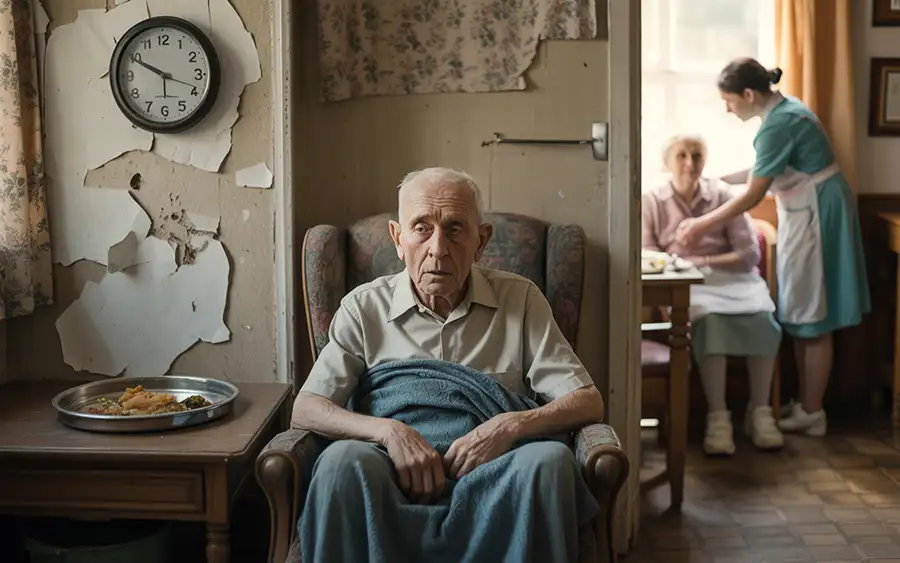
Neglect is not the same as intentional abuse, but it can be just as devastating. It includes failures by staff to provide basic needs such as hygiene, nutrition, medication, and safety. Over time, these failures can lead to serious injury, psychological trauma, or even death. The physical, emotional, and financial consequences can leave families reeling-and often, unsure of where to turn.
At Alonso Krangle, LLP, we believe families deserve answers and accountability. Recognizing the signs of neglect and knowing what steps to take can make all the difference. If your loved one has suffered due to nursing home negligence, our lawyers are here to help you understand your legal options.
What Does Nursing Home Neglect Look Like?
Nursing home neglect can take many forms. It’s not always obvious at first, especially when residents have cognitive challenges like dementia or communication difficulties. But over time, the impact becomes undeniable. Families visiting loved ones in Long Island facilities should watch for common signs that something may be wrong.
Signs of nursing home neglect include:
- Untreated bedsores or pressure ulcers, often indicating a lack of repositioning
- Rapid weight loss or signs of malnutrition and dehydration
- Poor hygiene, including unchanged clothing or soiled bedding
- Unexplained bruises, cuts, or frequent falls
- Withdrawn behavior or fear around certain staff members
- Strong odors or visibly unsanitary conditions in the facility
Many Long Island families have shared experiences of discovering their loved one was left alone for long hours, missing meals, or failing to receive critical medications. These situations are not “isolated incidents.” They are red flags that demand immediate attention and may form the basis of a legal claim.
Why Is Nursing Home Neglect So Common in Long Island?
Neglect in nursing homes is often rooted in systemic issues. One of the most common is chronic understaffing. Many Long Island facilities operate with too few nurses and aides to properly monitor residents, leading to oversights in care. When staff are stretched thin, residents suffer the consequences.
Other contributing factors include:
- Inadequate staff training, especially for those caring for residents with complex needs
- High staff turnover, which results in inconsistent care and lack of familiarity with residents
- Poor facility management that prioritizes profits over resident safety
- Failure to follow individualized care plans or respond to complaints from families
In some cases, financial fraud and misuse of Medicare/Medicaid funding-such as those exposed in high-profile New York lawsuits-leave facilities without the resources to maintain even basic standards of care. Our firm tracks these patterns closely and helps families identify when neglect may be part of a larger issue that warrants legal action.
Recognizing and Addressing Neglect in Nursing Homes
When families place a loved one in a nursing home, they do so with the hope that their family member will be treated with dignity, compassion, and professional care. Unfortunately, that’s not always the reality. Nursing home neglect is a serious problem across New York, including right here on Long Island, and it often goes unnoticed until severe harm has already occurred.
Neglect is not the same as intentional abuse, but it can be just as devastating. It includes failures by staff to provide basic needs such as hygiene, nutrition, medication, and safety. Over time, these failures can lead to serious injury, psychological trauma, or even death. The physical, emotional, and financial consequences can leave families reeling-and often, unsure of where to turn.
At Alonso Krangle, LLP, we believe families deserve answers and accountability. Recognizing the signs of neglect and knowing what steps to take can make all the difference. If your loved one has suffered due to nursing home negligence, our lawyers are here to help you understand your legal options.
What Does Nursing Home Neglect Look Like?
Nursing home neglect can take many forms. It’s not always obvious at first, especially when residents have cognitive challenges like dementia or communication difficulties. But over time, the impact becomes undeniable. Families visiting loved ones in Long Island facilities should watch for common signs that something may be wrong.
Signs of nursing home neglect include:
- Untreated bedsores or pressure ulcers, often indicating a lack of repositioning
- Rapid weight loss or signs of malnutrition and dehydration
- Poor hygiene, including unchanged clothing or soiled bedding
- Unexplained bruises, cuts, or frequent falls
- Withdrawn behavior or fear around certain staff members
- Strong odors or visibly unsanitary conditions in the facility
Many Long Island families have shared experiences of discovering their loved one was left alone for long hours, missing meals, or failing to receive critical medications. These situations are not “isolated incidents.” They are red flags that demand immediate attention and may form the basis of a legal claim.
Why Is Nursing Home Neglect So Common in Long Island?
Neglect in nursing homes is often rooted in systemic issues. One of the most common is chronic understaffing. Many Long Island facilities operate with too few nurses and aides to properly monitor residents, leading to oversights in care. When staff are stretched thin, residents suffer the consequences.
Other contributing factors include:
- Inadequate staff training, especially for those caring for residents with complex needs
- High staff turnover, which results in inconsistent care and lack of familiarity with residents
- Poor facility management that prioritizes profits over resident safety
- Failure to follow individualized care plans or respond to complaints from families
In some cases, financial fraud and misuse of Medicare/Medicaid funding-such as those exposed in high-profile New York lawsuits-leave facilities without the resources to maintain even basic standards of care. Our firm tracks these patterns closely and helps families identify when neglect may be part of a larger issue that warrants legal action.
Common Injuries Caused by Nursing Home Neglect
When nursing homes fail to meet basic standards of care, the results can be physically devastating. Injuries caused by neglect are not only painful-they can be life-altering or fatal. Our team has seen the heartbreaking impact on families in Long Island when their loved ones suffer preventable harm due to substandard care.
Here are some of the most frequent injuries and medical conditions associated with nursing home neglect:
- Bedsores (pressure ulcers): Often seen on residents who are left in the same position for long periods, these wounds can progress to severe, life-threatening infections if not treated.
- Falls and fractures: Broken hips, arms, and head injuries are common when residents aren’t properly supervised or assisted while walking, bathing, or using the restroom.
- Dehydration and malnutrition: Missing meals or not getting enough fluids can lead to organ failure, infections, and general physical decline.
- Medication errors: Giving the wrong medication-or skipping doses entirely-can cause serious reactions, worsened conditions, or even death.
- Sepsis from untreated infections: If minor infections aren’t caught and treated quickly, they can escalate into life-threatening conditions like sepsis.
For example, one Long Island resident was left without turning assistance for so long that they developed stage 4 bedsores, which required hospitalization and led to months of painful recovery. In another case, a woman fell trying to reach the restroom unattended because her call bell went unanswered, suffering a fractured hip and internal bleeding.
Steps to Take if You Suspect Neglect
If you’re reading this because something doesn’t feel right about a loved one’s care, trust your instincts. Families are often the first to notice subtle changes that indicate neglect. But what should you do next? Protecting your loved one-and building a potential legal case-starts with action.
Here’s how to begin:
- Document everything: Take photographs of injuries or unsanitary conditions. Keep a written record of your observations, including dates, times, and the names of staff involved.
- Request medical evaluations: If there are visible injuries or sudden health changes, request an independent doctor to evaluate your loved one’s condition.
- File a complaint: You can report suspected abuse or neglect to the New York State Department of Health or the Attorney General’s office. In Long Island, Adult Protective Services may also step in if the person is at immediate risk.
Finally, don’t wait to speak with our attorneys. The law imposes a statute of limitations on personal injury and nursing home abuse claims in New York-typically three years for private facilities, and often just 90 days to file a Notice of Claim against government-run institutions. Early action gives your family the best chance of recovery and justice.
Legal Rights and Compensation for Victims of Neglect
Victims of nursing home neglect-and their families-may be entitled to compensation for the harm they’ve suffered. At Alonso Krangle, LLP, we pursue these claims to hold facilities accountable and to make sure families get the support they need moving forward. In Long Island, our courts recognize the deep impact that neglect can have, and allow victims to seek multiple types of damages.
These may include:
- Medical expenses related to hospital care, medications, or rehabilitation
- Non-economic damages for pain, suffering, emotional trauma, and loss of dignity
- Wrongful death damages for families who have lost a loved one due to facility negligence
- Punitive damages in cases where the nursing home acted with extreme disregard for resident safety
For example, a Long Island family filed a claim after their father died from sepsis that developed from untreated bedsores. The case revealed a pattern of neglect across multiple residents and resulted in compensation that covered burial costs, lost companionship, and emotional suffering.
Our firm works with medical and financial experts to build strong, fact-based cases. These professionals help demonstrate not only what happened, but how it could-and should-have been prevented.
How Our Lawyers Can Help Long Island Families Facing Nursing Home Neglect
When your loved one suffers due to neglect in a nursing home, it’s not enough to just move them to a different facility. Accountability matters. Justice matters. Our team at Alonso Krangle, LLP helps families throughout Long Island hold negligent nursing homes responsible and seek compensation for the harm done.
We begin by conducting a thorough investigation. This includes reviewing medical records, staffing logs, and prior state violations. We consult with medical professionals who can speak to the level of care your loved one should have received-and what went wrong. Our lawyers will identify all responsible parties, from corporate owners to individual staff members, and build a case that shows how their actions (or inaction) led to harm.
We also understand that these cases can be emotionally difficult. You’re not just seeking money-you’re seeking justice for someone you love. That’s why we approach every case with compassion and clarity. Our attorneys guide families through the legal process step by step, and we do the heavy lifting so you can focus on your family.
If your loved one is still in a facility and you’re unsure about what to do next, we can help you understand your options-both legally and medically. Don’t assume that what you’re seeing is “normal” or that the system will fix itself. Often, it takes strong legal action to force facilities to make real changes.
Talk to Our Long Island Team About Your Nursing Home Neglect Case
No family should have to wonder whether their loved one is being cared for properly. Nursing home neglect is a betrayal of trust-and in Long Island, too many families have discovered this truth far too late. If something feels wrong, it probably is. And you don’t have to face it alone.
Our lawyers at Alonso Krangle, LLP are here to help. Whether you’re dealing with malnutrition, repeated falls, untreated infections, or any other sign of neglect, we’re ready to investigate and take action. We know the local facilities. We understand the state laws. And we fight to protect the rights of seniors across Long Island.
You can speak with us at no cost. We offer free consultations and only get paid if we recover money for you. Don’t wait-New York law imposes strict deadlines, and acting quickly gives us the best chance to preserve evidence and protect your loved one’s rights.
Call 800-403-6191 or complete the contact form on this page to speak with our nursing home injury lawyers in Long Island. Let us help you bring your loved one the dignity, safety, and justice they deserve.
Frequently Asked Questions About Recognizing and Addressing Neglect in Nursing Homes
What are the most common signs of nursing home neglect?
The most frequent signs include untreated bedsores, sudden weight loss, poor hygiene, unexplained bruises or injuries, repeated falls, and behavioral changes like withdrawal or fear around staff. You may also notice unsanitary conditions, missing personal items, or unanswered call bells.
What should I do if I suspect my loved one is being neglected?
Start by documenting what you observe-take photos, write down dates and details, and speak with your loved one (if possible). Report your concerns to facility management and also consider filing a complaint with the New York State Department of Health or the Attorney General’s Office. You should also consult with our lawyers at Alonso Krangle, LLP to evaluate legal options.
Is there a deadline to file a nursing home neglect claim in New York?
Yes. In most cases, you have three years from the date of injury to file a lawsuit. However, if the nursing home is operated by a government entity, you may only have 90 days to file a Notice of Claim. That’s why it’s critical to speak with our attorneys as soon as possible.
Can I move my loved one to another facility during an investigation?
Absolutely. If you believe your loved one is at risk, moving them to a safer facility is often the right choice. You don’t need to wait for the investigation or lawsuit to conclude. Our team can help guide you through the process and protect your loved one’s rights during the transition.
What kinds of compensation are available in nursing home neglect cases?
Victims and their families may be entitled to compensation for medical expenses, pain and suffering, emotional distress, and, in some cases, punitive damages. If a wrongful death occurs due to neglect, surviving family members may also pursue a separate claim.
Is neglect different from abuse?
Yes. Neglect refers to a failure to provide necessary care, such as not helping with hygiene or missing medications. Abuse, on the other hand, is intentional harm-like hitting, yelling, or financial exploitation. Both are grounds for legal action, and both can cause serious harm.
Can nursing home staff be held personally liable?
In some cases, yes. While lawsuits often target the facility and its corporate owners, individual staff members may also be held responsible if their actions directly contributed to a resident’s harm. Our attorneys will identify all responsible parties when building your case.
How do I know if my case is strong enough to pursue legal action?
The best way to find out is to schedule a free consultation with our lawyers at Alonso Krangle, LLP. We’ll review the facts, medical records, and any documentation you have to help determine whether the facility violated its duty of care-and what legal steps we can take to hold them accountable.
Speak with An Attorney
Submit This Form or Call 800-403-6191