

Robotic-Assisted Surgery: Innovation or Increased Risk
Robotic-Assisted Surgery: Innovation or Increased Risk? Examining the Pros and Cons
Robotic-assisted surgery has transformed modern medicine, offering minimally invasive procedures , enhanced precision, and reduced recovery times. However, concerns about device failures, surgical complications, and legal recourse for affected patients raise critical questions. Are the benefits of robotic surgery worth the potential risks?
The Advantages of Robotic-Assisted Surgery
Many hospitals and surgical centers have adopted robotic technology due to its numerous advantages. Surgeons use robotic systems to perform complex procedures with enhanced precision, stability, and control. Some of the primary benefits include:
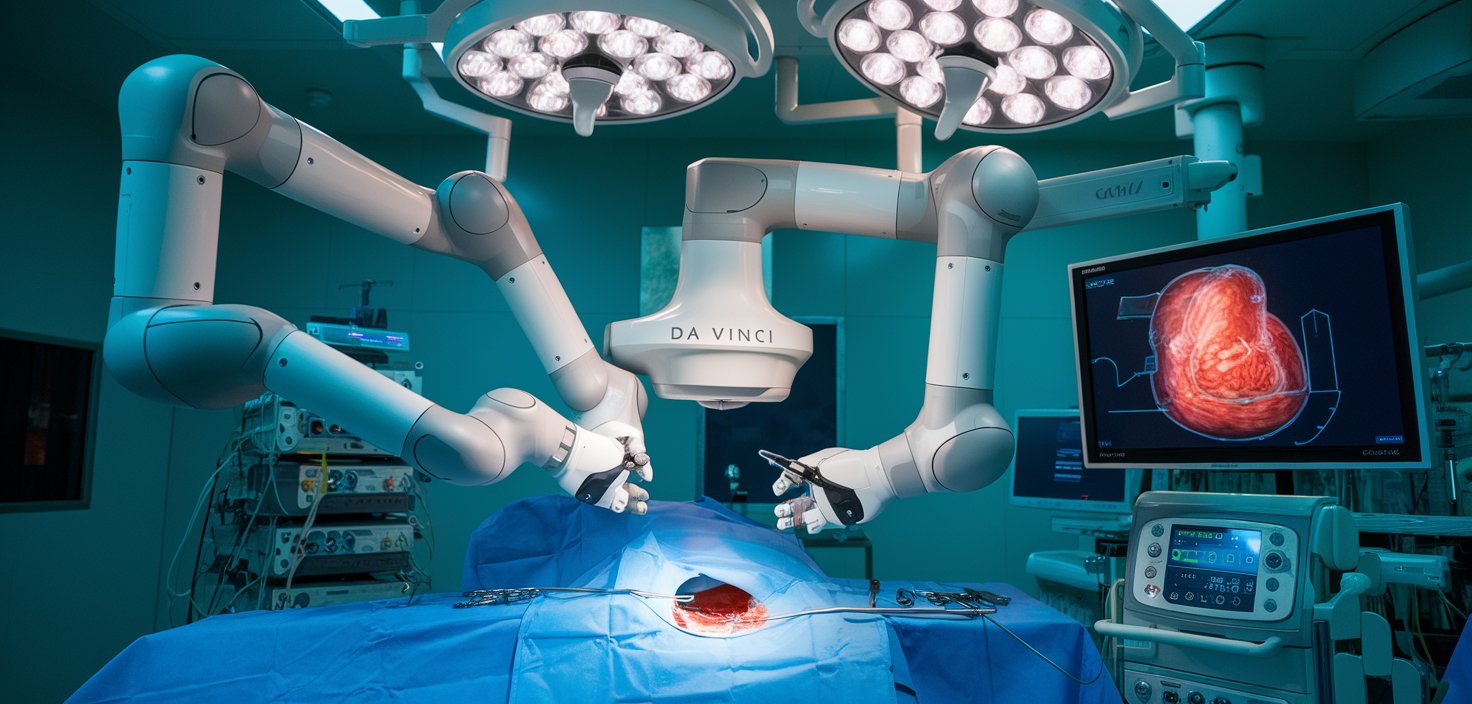
- Greater Surgical Precision – Robotic arms offer a range of motion and accuracy beyond human capabilities, reducing the risk of accidental tissue damage.
- Minimally Invasive Procedures – Smaller incisions lead to less scarring, reduced blood loss, and a quicker recovery time.
- Reduced Surgeon Fatigue – Unlike traditional surgery, where a surgeon must stand for long hours, robotic systems allow for more ergonomic positioning, minimizing physical strain.
- Enhanced Visualization – High-definition, magnified 3D views provide a more detailed look at anatomical structures, improving surgical outcomes.
- Shorter Hospital Stays – Many robotic procedures result in faster recovery times, reducing hospitalization costs and improving patient comfort.
Risks and Challenges of Robotic Surgery
Despite its benefits, robotic-assisted surgery is not without risks. Recent reports highlight instances of device malfunctions , procedural errors, and even recalls related to surgical staplers and other robotic components. Some potential risks include:
- Device Failures – Malfunctions, such as robotic arm freezes or stapler misfires, can lead to complications during surgery.
- Extended Operating Times – In some cases, robotic surgeries take longer than traditional methods, increasing anesthesia exposure.
- Training and Learning Curve – Not all surgeons have extensive training with robotic systems, leading to potential errors.
- Expensive Equipment – The cost of purchasing and maintaining robotic systems can drive up healthcare expenses.
- Lack of Tactile Feedback – Unlike traditional surgery, robotic systems do not provide direct touch sensation, which may affect decision-making.
Device Failures and Patient Safety Concerns
Recent medical device recalls and reported complications underscore the risks associated with robotic-assisted surgery. For example, reports indicate that some robotic staplers have experienced malfunctions, leading to incomplete staple lines, leaks, and additional interventions. In certain cases, device-related complications have resulted in severe injuries or even fatalities.
One of the major concerns in robotic-assisted procedures is the lack of redundancy in case of a device failure. Unlike human surgeons who can quickly adapt, a robotic system may freeze or misfire, potentially causing harm to the patient. Such incidents raise questions about safety protocols and whether manufacturers are taking adequate steps to prevent future failures.
Legal Recourse for Patients Affected by Surgical Errors
Patients who suffer harm due to robotic-assisted surgery errors or device failures may have legal options. If a complication arises from a surgical mistake, medical malpractice claims may be pursued against the hospital, surgeon, or device manufacturer. Possible legal actions include:
- Medical Malpractice Lawsuits – If a surgeon fails to use the robotic system correctly, leading to an injury, they may be held liable for negligence.
- Product Liability Claims – If the robotic device malfunctioned due to a design flaw or manufacturing defect, patients can seek compensation from the manufacturer.
- Failure to Inform Patients – If a doctor fails to properly explain the risks associated with robotic-assisted surgery, a patient may pursue an informed consent claim.
Those affected by robotic surgery complications should consult with legal professionals to explore their options and understand their rights.
Should You Choose Robotic-Assisted Surgery?
Robotic-assisted surgery offers numerous benefits, but patients should carefully weigh the risks before undergoing such procedures. Speaking with an experienced surgeon and reviewing their track record with robotic procedures can help determine whether it’s the right choice.
If you or a loved one has experienced complications due to robotic-assisted surgery , you may be entitled to legal recourse. Contact a qualified attorney to discuss your case and learn about your rights.
Injured by a Robotic-Assisted Surgery Device? Contact Alonso Krangle, LLP Today
Medical technology should improve patient safety, not put lives at risk . If you or a loved one suffered injuries due to a robotic-assisted surgery error or device failure, you deserve justice. The legal team at Alonso Krangle, LLP is ready to help you hold negligent parties accountable.
Our experienced attorneys understand the complexities of robotic surgery lawsuits and will fight to secure the compensation you deserve. Whether your case involves surgical errors, defective medical devices, or failure to warn of risks , we are here to protect your rights.
Call 800-403-6191 today for a free consultation. Don’t wait-your time to take legal action may be limited.
Speak with An Attorney
Submit This Form or Call 800-403-6191