

The Long-Term Effects of Nursing Home Abuse on Residents
The Long-Term Effects of Nursing Home Abuse on Residents
For many families in Long Island, placing a loved one in a nursing home is a decision made with hope, trust, and the expectation of compassionate care. But when that trust is shattered by nursing home abuse, the consequences can extend far beyond the initial injury or incident. Abuse and neglect don’t just hurt in the moment-they can leave lasting scars that affect every aspect of a resident’s life, long after the physical wounds have healed.
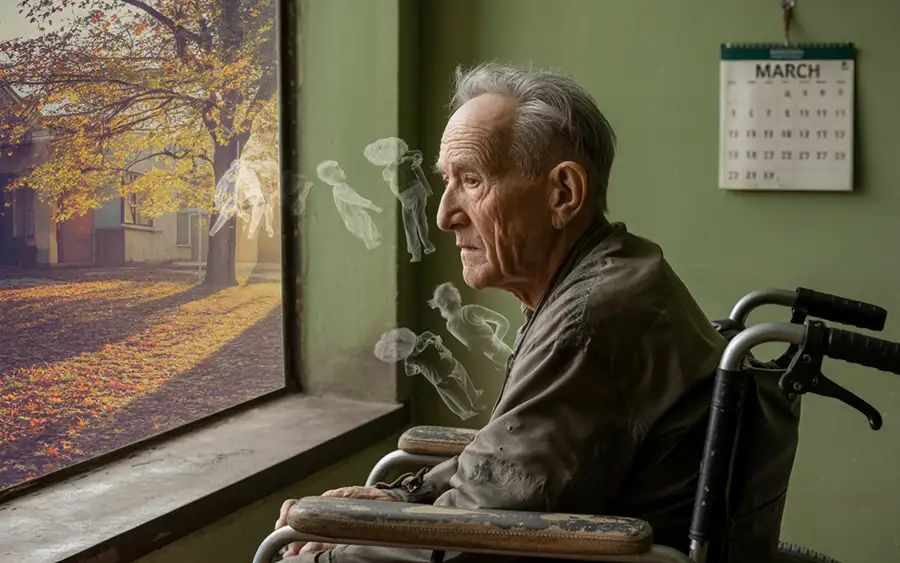
Understanding the long-term effects of elder abuse is critical not only for families but for anyone working to hold negligent facilities accountable. Abuse can have a compounding effect on a person’s physical and psychological health, triggering decline, depression, and even premature death. These effects don’t just disappear after the abuse stops-they often grow worse without intervention.
This article explores how abuse in Long Island nursing homes impacts residents over time, what symptoms to look for, and why early recognition and legal action are so important to protecting our most vulnerable community members.
How Nursing Home Abuse Causes Ongoing Physical Decline
While some injuries may heal, the long-term health effects of physical abuse or neglect can devastate an elderly person’s quality of life. Elderly residents are already at higher risk for complications from injuries, and abuse only amplifies those risks. In Long Island facilities where staff are overstretched or poorly trained, problems like bedsores, untreated infections, and repeat falls are disturbingly common.
Common injuries linked to long-term deterioration include:
- Broken bones and fractures from falls or improper transfers
- Pressure sores (bedsores), which can progress to life-threatening infections
- Malnutrition and dehydration, weakening the immune system and muscle mass
- Improper diabetic care leading to amputation or organ damage
- Sepsis from untreated wounds or urinary tract infections
In one Long Island case, a resident developed Stage 4 pressure ulcers after being left in soiled bedding for hours. She later suffered sepsis and required hospitalization. The physical toll from that neglect continues to affect her mobility and independence today.
When care facilities cut corners, the consequences are often irreversible. The loss of physical health can mean the loss of independence, dignity, and even life.
The Emotional and Psychological Damage Is Often Invisible-but Deep
Physical harm isn’t the only danger. The psychological damage from elder abuse may be even more enduring. Fear, humiliation, and isolation can have crushing effects on a resident’s mental health. And in many cases, this emotional trauma is harder to detect and address than a visible bruise or wound.
Emotional harm may arise from verbal abuse, threats, manipulation, abandonment, or even gaslighting by caregivers. Over time, this can lead to:
- Severe anxiety or depression
- Withdrawal from activities or loved ones
- Sleep disturbances and appetite loss
- Suicidal thoughts or worsening dementia symptoms
Imagine a resident who is mocked or yelled at regularly by overworked staff. She stops speaking, avoids eye contact, and loses interest in eating or socializing. Her physical health deteriorates alongside her spirit-yet no one reports it until it’s too late. These are the realities families in Long Island have faced when emotional trauma is ignored.
Emotional trauma from nursing home neglect can persist for years, long after the resident has been removed from the abusive environment. Therapy and support can help, but recovery takes time-and sadly, some victims never fully regain their sense of safety or trust.
Challenges of Recovery and Rehabilitation for Elder Abuse Victims
Once abuse has occurred, the road to recovery is rarely straightforward. Elderly residents often face longer healing times, higher complication rates, and emotional setbacks that interfere with their ability to fully rebound. Recovery from nursing home injuries in Long Island may require hospitalization, surgeries, extended physical therapy, and ongoing psychological care-all of which can be overwhelming for families and financially devastating.
Physical rehabilitation is complicated by age-related factors like osteoporosis, arthritis, or preexisting medical conditions. Emotional recovery is no easier. Victims often struggle with mistrust, fear of being institutionalized again, or guilt for speaking up in the first place. Healing requires a coordinated approach that addresses both body and mind.
Consider an elderly man in a Long Island facility who was overmedicated to keep him docile. After the abuse was discovered, he required weeks of detox, re-evaluation of his medication plan, and psychiatric support to recover. His rehabilitation was not just about regaining strength-it was about regaining control over his life.
Our firm understands how difficult this journey can be. We work with families to connect them with medical experts, therapists, and resources that support long-term healing.
Spotting the Early Signs: Why Timing Matters
Early recognition of abuse can drastically reduce the long-term harm a resident might suffer. Families must stay vigilant for signs of elder neglect such as sudden mood changes, unexplained bruises, or withdrawal from conversation. These clues are often subtle but can reveal much deeper issues within a facility.
Common red flags include:
- Unusual drowsiness or confusion from medication misuse
- Weight loss or dry skin indicating poor nutrition
- Bedsores or persistent infections that are untreated
- Fearful behavior around staff or caregivers
Prompt intervention not only helps protect the resident from further harm-it also creates a stronger legal case if compensation or accountability is needed. The longer abuse goes unreported, the more difficult it becomes to gather evidence and pursue justice.
If you notice any of these symptoms in a loved one living in a Long Island nursing home, don’t wait. Reporting and documenting early can change the outcome entirely.
Supporting Long-Term Mental Health and Emotional Well-Being
Healing from abuse is not just about treating physical wounds-it’s about restoring a sense of safety, autonomy, and dignity. For many victims of psychological damage from elder abuse, therapy is a critical part of that process. Yet access to geriatric mental health care remains limited, especially in lower-staffed or lower-rated Long Island nursing homes.
Support options for survivors may include:
- Trauma-informed counseling or grief therapy
- Support groups for abused elders or their families
- Medication management to treat PTSD, anxiety, or depression
- Spiritual or pastoral care for residents who find comfort in faith
For example, one Long Island resident who endured emotional abuse in a facility was eventually relocated to a new home where she received weekly therapy and music sessions. Over time, she regained her appetite and confidence, even forming new friendships with other residents. While her experience of abuse would never fully disappear, her quality of life dramatically improved with the right care and compassion.
We encourage families to explore all options for emotional recovery-not just for the resident, but for themselves as well. Abuse affects everyone who loves the victim, and ongoing support is vital.
Legal Options and Compensation for Long-Term Harm
When nursing home abuse causes long-term harm, the legal system provides pathways for accountability and recovery. Victims and their families may be entitled to compensation for medical costs, emotional distress, and the loss of dignity caused by the abuse. In cases involving gross negligence or intentional misconduct, courts may also award punitive damages to punish the facility and deter future wrongdoing.
Recoverable damages may include:
- Medical expenses, including rehabilitation and therapy
- Costs related to relocating the resident to a safer facility
- Pain and suffering, both physical and emotional
- Loss of enjoyment of life or companionship
- Funeral and burial costs in wrongful death cases
For families in Long Island, it’s important to act quickly. In New York, most civil claims related to nursing home abuse must be filed within three years of the incident. If the claim involves a public facility or city-owned nursing home, a Notice of Claim must be filed within 90 days of the incident under General Municipal Law § 50-e.
Our lawyers at Alonso Krangle, LLP understand the complexities of elder abuse cases. We gather medical records, interview witnesses, and work with expert consultants to build a strong case for long-term harm. We’re here to ensure your loved one’s suffering does not go unanswered.
Holding Negligent Long Island Facilities Accountable
Abuse doesn’t happen in a vacuum. It occurs because a facility fails to train its staff, monitor its operations, or prioritize the care of its residents. The only way to stop the cycle is to shine a light on these failures and hold those responsible accountable-legally and publicly.
Several high-profile cases have already highlighted the need for oversight. As recently as 2023, the New York Attorney General filed suit against multiple nursing homes, including Long Island facilities, for misusing funds and allowing residents to suffer in filthy, understaffed conditions. These cases revealed widespread issues such as malnutrition, untreated bedsores, and systemic neglect across the state.
Families who take legal action send a powerful message: neglect will not be tolerated, and elder lives matter. Filing a claim is about more than compensation-it’s about demanding systemic change, transparency, and reform.
We understand how difficult it can be to step forward. But the first step toward justice is speaking up.
Resources and Support for Long-Term Recovery
Healing from nursing home abuse doesn’t end with a lawsuit. It’s an ongoing process that involves community support, medical intervention, and access to quality care. Fortunately, Long Island has a growing network of elder care advocates, medical professionals, and legal teams ready to help.
Some helpful resources include:
- New York State Office for the Aging: Programs for elder advocacy and case management
- Adult Protective Services: Support for at-risk seniors and emergency intervention
- Long Island Center for Elder Abuse Prevention: Local programs offering education and outreach
- Support groups for families coping with abuse-related trauma
- Licensed mental health therapists experienced in geriatric care
Rebuilding trust and dignity takes time-but with the right team and resources, recovery is possible. Even in the face of heartbreaking abuse, many residents have gone on to find safe and supportive environments where they can live with respect and care.
We’ve seen the difference compassionate intervention can make, and we’re committed to helping more Long Island families reach that place of peace.
Speak With Our Long Island Nursing Home Abuse Lawyers Today
If your loved one has suffered the long-term effects of nursing home abuse in Long Island, you’re not alone-and you don’t have to handle this on your own. Our team at Alonso Krangle, LLP is here to help you understand your legal rights, explore your options, and fight for justice.
Don’t wait. The sooner you act, the better your chances of protecting your loved one and securing the compensation they deserve. Contact our firm today at 800-403-6191 or complete the form on this page to schedule a free consultation. We’re ready to stand with your family-and to hold negligent facilities fully accountable for the pain they’ve caused.
Justice starts now. Let us help you take that first step.
Frequently Asked Questions About the Long-Term Effects of Nursing Home Abuse
What are some signs that my loved one may be suffering from long-term nursing home abuse?
Look for both physical and behavioral red flags. These may include unexplained bruises or injuries, weight loss, signs of malnutrition, repeated infections, sudden withdrawal from social activities, fear around staff, or personality changes. Long-term abuse often manifests in ongoing health issues, depression, or emotional shutdown.
How long do I have to file a nursing home abuse claim in New York?
In New York, the statute of limitations for most personal injury claims, including nursing home abuse, is three years from the date of the incident. However, if the facility is publicly owned (such as a city-run home), a Notice of Claim must be filed within 90 days, making it critical to act quickly.
Can emotional trauma alone be grounds for a lawsuit?
Yes. Emotional and psychological harm, including anxiety, depression, and post-traumatic stress, can be just as damaging as physical injuries. If the abuse led to mental health deterioration or impacted your loved one’s quality of life, that can be part of a valid legal claim for compensation.
What kind of compensation can my family pursue?
Victims of nursing home abuse may be eligible to recover economic damages (such as medical bills, therapy, and relocation costs), non-economic damages (like pain and suffering or loss of dignity), and in some cases, punitive damages when gross negligence is proven.
What if my loved one passed away due to the abuse?
If the abuse resulted in a wrongful death, surviving family members may have the right to file a wrongful death claim. These cases seek compensation for funeral expenses, medical care prior to death, and the emotional loss suffered by the family.
Should I move my loved one out of the nursing home immediately?
If you suspect abuse, ensure your loved one’s safety first. In many cases, transferring them to a new facility is the safest choice. It’s wise to consult with our lawyers before moving them so evidence can be preserved, but protecting the resident’s well-being must come first.
Is it possible to report nursing home abuse anonymously?
Yes. You can report suspected abuse to the New York State Department of Health or Adult Protective Services, and they accept anonymous complaints. However, for legal claims, identifying information is needed to move forward in court.
How can I help prevent this from happening to someone else?
Stay involved in your loved one’s care. Visit regularly, ask questions, observe facility conditions, and advocate when something feels wrong. You can also support reforms, attend public hearings, and share your story to raise awareness and push for change.
Speak with An Attorney
Submit This Form or Call 800-403-6191