

Understanding Child Sexual Abuse: Definition, Meaning, and Legal Assistance
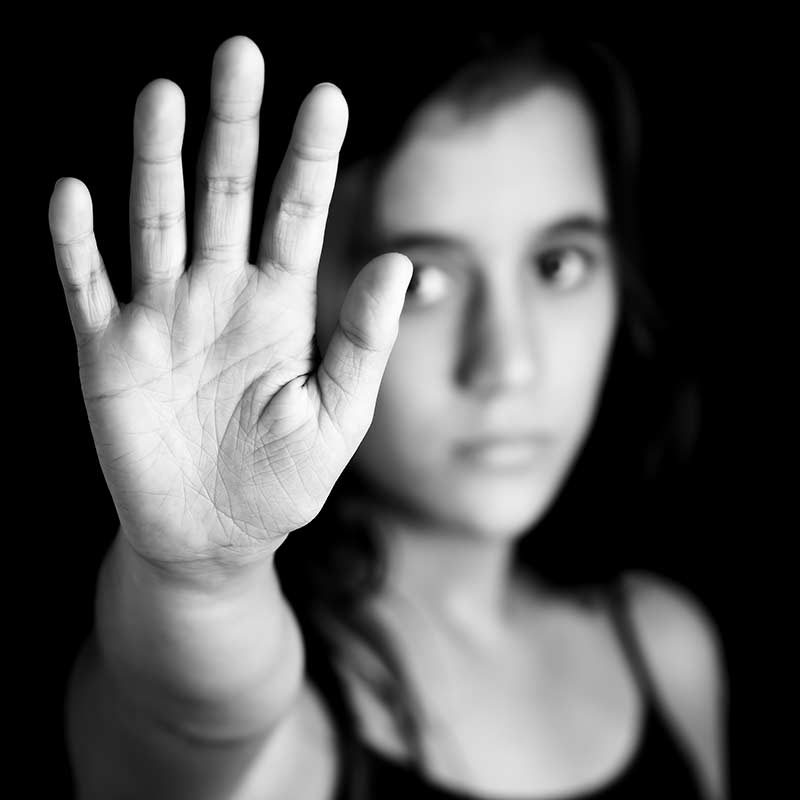
As a caring society, it is our duty to protect our children from all forms of harm, including child sexual abuse. Understanding the definition, meaning, and legal aspects of child sexual abuse is crucial in order to safeguard the well-being and rights of our most vulnerable members. In this comprehensive guide, we will explore what constitutes child sexual abuse, including behaviors that are not physical in nature. We will also discuss the importance of legal assistance in cases of child sexual abuse, providing information at a 10th-grade reading level.
What is Child Sexual Abuse?
Child sexual abuse refers to any sexual act, behavior, or exploitation involving a child. It includes both physical acts and non-physical behaviors that are intended to sexually exploit, manipulate, or harm a child. Child sexual abuse is a grave violation of a child’s rights, trust, and emotional well-being. It can have devastating and long-lasting effects on the child’s physical, emotional, and psychological development.
Child Sexual Abuse Definition and Meaning
Child sexual abuse is legally defined as any sexual activity involving a child below the age of consent, which varies in different jurisdictions. It is important to note that child sexual abuse can occur regardless of the relationship between the abuser and the child. It can involve family members, caregivers, teachers, or even strangers. Child sexual abuse can take many forms, including sexual assault, rape, incest, molestation, and exploitation.
What Constitutes Child Sexual Abuse
Child sexual abuse extends beyond physical acts and can encompass a wide range of non-physical behaviors that exploit and harm children. It is essential to understand that child sexual abuse can involve grooming, manipulation, exposure to sexually explicit material, or engaging in suggestive conversations. These actions are equally damaging to a child’s well-being and are considered forms of child sexual abuse.
Child Sexual Abuse and Suggestive Behavior
Child sexual abuse can involve suggestive behavior, which does not have to be physical to constitute a violation. Suggestive behavior includes actions such as exposing a child to sexually explicit content, engaging in sexually suggestive conversations, or using language that is inappropriate for a child’s age. These behaviors can have a profound and lasting impact on a child’s emotional, psychological, and sexual development. It is crucial to recognize and report any instances of suggestive behavior involving children to protect their safety and well-being.
Exhibitionism and Child Sexual Abuse
Exhibitionism, when it involves exposing oneself to a child, is a form of child sexual abuse. The act of exposing genitals or engaging in sexual acts in front of a child is illegal and deeply harmful. Children who are exposed to exhibitionism may experience fear, confusion, and shame. It is essential to recognize the signs of exhibitionism and report it immediately to the authorities to ensure the safety and well-being of the child.
Seeking Legal Assistance
If you suspect or have evidence of child sexual abuse, it is crucial to seek legal assistance promptly. A lawyer with expertise in child protection and family law can guide you through the legal process, ensuring that the rights and well-being of the child are protected. They can provide advice, support, and representation, helping you navigate the complexities of the legal system and advocate for justice.
Frequently Asked Questions (FAQs):
Q: What should I do if I suspect a child is being sexually abused?
A: If you suspect a child is being sexually abused, it is essential to report your concerns to the appropriate authorities, such as law enforcement or child protective services. They are trained to handle such cases and can initiate investigations to protect the child. Remember, your prompt action can make a significant difference in ensuring the safety and well-being of the child.
Q: Are there any long-term effects of child sexual abuse?
A: Yes, child sexual abuse can have profound and long-lasting effects on a child’s physical, emotional, and psychological well-being. Some common effects include post-traumatic stress disorder (PTSD), anxiety, depression, low self-esteem, difficulty forming trusting relationships, self-destructive behaviors, and even an increased risk of substance abuse and suicidal tendencies. It is crucial to provide comprehensive support and therapy to survivors of child sexual abuse to aid in their healing and recovery process.
Q: How can I help prevent child sexual abuse?
A: Preventing child sexual abuse requires a collective effort from society. Here are some steps you can take:
- Educate yourself and others: Learn about the signs of child sexual abuse, the importance of open communication, and how to teach children about body boundaries and consent. Share this knowledge with friends, family, and community members.
- Establish safe environments: Ensure that places where children spend time, such as schools, daycares, and extracurricular activities, have proper policies and procedures in place to prevent and address child sexual abuse. Advocate for comprehensive background checks and training for staff and volunteers.
- Foster open communication: Create an environment where children feel comfortable talking about their feelings and concerns. Encourage them to express themselves and assure them that they will be listened to and supported.
- Empower children: Teach children about personal boundaries, consent, and their rights to say no. Encourage them to trust their instincts and speak up if someone makes them uncomfortable. Help them build their self-esteem and assertiveness skills.
- Report suspicions: If you suspect or witness any signs of child sexual abuse, report it to the appropriate authorities immediately. Remember, reporting is not accusing—it is ensuring the child’s safety and well-being.
Sexual Abusers of Children Must Be Stopped
Child sexual abuse is a grave violation of a child’s rights and can have devastating consequences. It is essential to understand the definition, meaning, and various forms of child sexual abuse, including non-physical behaviors. By being informed and vigilant, we can work together to protect our children and create a safer society. If you suspect child sexual abuse, do not hesitate to seek legal assistance from a qualified attorney specializing in child protection and family law. Remember, your actions can make a difference and help ensure justice for the survivors of child sexual abuse. Together, we can build a world where every child is safe, protected, and free from harm.
Contact Alonso Krangle Today to Discuss Your Rights
If you or a family member has been sexually abused or sexually assaulted, you need to get help. Our compassionate and discrete legal professionals have handled situations like yours and are ready to help. Please contact us today at [phone] for a completely confidential, no-cost consultation, and let’s get you the resolution you deserve.
Speak with An Attorney
Submit This Form or Call 800-403-6191