

Understanding the Rights of Nursing Home Residents
Understanding the Rights of Nursing Home Residents
When a loved one enters a nursing home, families expect them to receive quality care in a safe and respectful environment. But too often, residents in Long Island facilities are denied basic rights-rights that are protected under both federal and New York State law. Knowing these rights is not just helpful-it’s essential for ensuring our elderly family members are treated with the dignity they deserve.
From the right to be free from abuse and neglect to the right to participate in their own care, these protections are the foundation of ethical elder care. Yet, many families only learn about them after something has gone terribly wrong. Our goal is to make sure you know these rights ahead of time, so you can protect your loved ones before harm occurs.
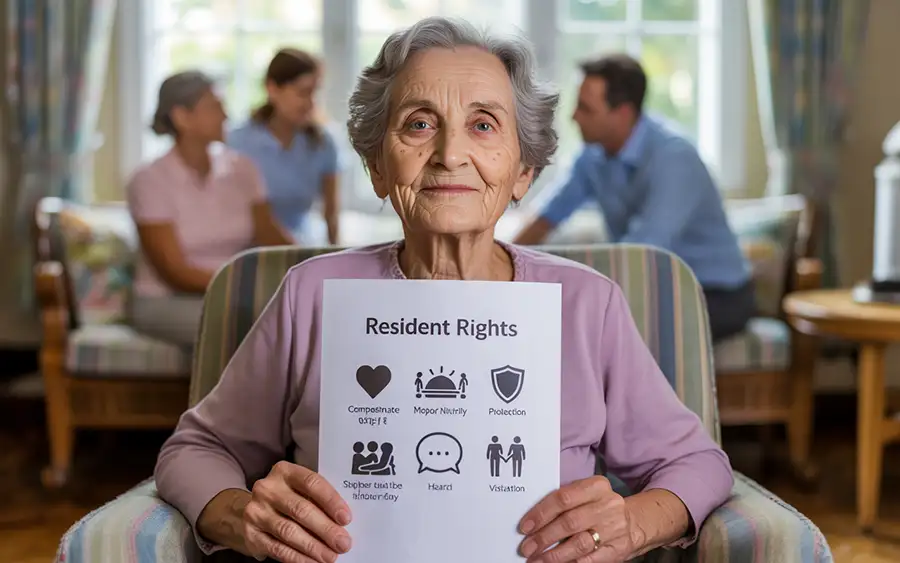
New York’s Public Health Law §2803-c outlines the legal rights of nursing home residents, including the right to privacy, proper medical care, and freedom from discrimination. Violations of these rights are not just moral failings-they are legal wrongs that can and should be challenged.
Understanding the scope of these rights gives families the power to speak up. If your loved one has suffered from resident rights violations in a Long Island nursing home, it may be time to take legal action.
Legal Protections for Nursing Home Residents in Long Island
Nursing home residents in Long Island are protected by a combination of federal and state regulations. The federal Nursing Home Reform Act guarantees each resident the right to be treated with dignity and respect, while New York’s laws add additional protections specific to state-regulated facilities. These include the right to make complaints without fear of retaliation, to manage their own finances, and to be informed about their medical condition and treatment options.
Facilities must provide written notice of these rights upon admission. Unfortunately, this is often just a formality-residents and families rarely get a clear explanation. When rights are violated, such as through neglect, emotional abuse, or unauthorized use of physical restraints, the consequences can be severe.
We’ve seen examples where residents were left with untreated bedsores, fell repeatedly due to lack of supervision, or were denied basic hygiene care-all clear violations of their legal protections. In one situation, a woman in a Long Island facility developed sepsis from an infected wound because staff ignored her complaints. This is not just medical malpractice-it’s a violation of her legal rights.
If you suspect your loved one’s rights have been violated, you have options. Our lawyers can help you understand your legal recourse under New York law and the specific protections offered to nursing home residents in your area.
How Resident Councils and Advocacy Groups Can Help
Resident councils and family councils are more than just support groups-they’re powerful tools for ensuring accountability. In New York, every nursing home is required by law to support a resident council if one is requested by the residents. These councils allow residents to raise concerns about food, care quality, staff behavior, and more, without fear of reprisal.
Family members can also participate in family councils, where they can collectively advocate for better care standards. These councils can meet with administrators, submit written grievances, and even push for policy changes within the facility.
Outside the facility, groups like the Long Term Care Ombudsman Program play a critical role. This statewide network of trained volunteers helps protect the legal rights of nursing home residents by investigating complaints, resolving disputes, and ensuring residents’ voices are heard. In many Long Island cases, ombudsmen have uncovered systemic abuse that led to major changes or legal action.
Advocacy groups are not just watchdogs-they are a lifeline for families who feel powerless. Connecting with them is often the first step in reclaiming your loved one’s dignity and safety.
Tips for Families to Protect Their Loved One’s Rights
Many families feel uncertain about how to intervene when something seems wrong in a nursing home. You may notice bruises, rapid weight loss, or behavioral changes-but worry about overreacting or being labeled a troublemaker. Here’s the truth: you are your loved one’s most powerful advocate.
Start by staying actively involved. Visit often and at varying times. Ask direct questions about care routines and medications. Keep notes on any concerns or incidents. Don’t hesitate to ask for care plans or updates from staff. And if you’re stonewalled or brushed off-that’s a red flag.
Here are some practical steps families in Long Island can take:
- Request regular care meetings with nursing staff and administrators
- Document all concerns with photos and written observations
- Attend resident or family council meetings to stay informed
- File complaints with the New York State Department of Health when necessary
- Consult with our lawyers if you believe your loved one’s rights are being violated
Advocating for your loved one is not just a right-it’s a responsibility. Staying vigilant can make the difference between silent suffering and meaningful change.
Resources for Understanding and Enforcing Resident Rights
New York provides several avenues for residents and families who want to understand and enforce their rights. But knowing where to begin can be overwhelming, especially when you’re already dealing with the emotional toll of possible abuse or neglect.
Start with the New York State Department of Health’s “Nursing Home Residents’ Bill of Rights.” It outlines your loved one’s legal protections under state law. You can also connect with the Long-Term Care Ombudsman Program, which provides free, confidential advocacy for residents in Long Island and across the state. These trained volunteers regularly visit facilities and can help navigate complaints.
Additional resources include:
Educating yourself through these organizations helps you speak with authority when confronting facility staff-or even taking legal action. The more you know, the stronger your position becomes.
Challenges in Protecting Residents and How to Overcome Them
Even when families recognize signs of mistreatment, getting accountability from a nursing home can feel like an uphill battle. Facilities often deflect blame, minimize problems, or outright deny wrongdoing. Add to that the fear that reporting an issue might lead to retaliation against a vulnerable resident-and many families feel trapped.
Long Island nursing homes are legally prohibited from retaliating against residents or their families for filing complaints. Still, the reality is that change often requires persistence and outside pressure. This is where legal support and community involvement become critical.
Common obstacles include:
- Understaffing that leads to delays or inadequate care
- Complicated ownership structures that obscure accountability
- Resistance from staff when families raise concerns
- Fear of moving a resident and disrupting their care plan
But there are solutions. Advocacy groups can apply pressure behind the scenes. Legal action can force a facility to follow state regulations. And once a case is opened, your voice carries more weight. Our firm has worked with families across Long Island to help ensure their loved ones’ rights are upheld-and their suffering stops.
When Legal Action Is the Right Move
Sometimes, even the most persistent advocacy isn’t enough. When nursing home staff or management continue to violate your loved one’s rights, legal intervention becomes necessary. New York law allows residents and families to bring claims for physical, emotional, financial, and psychological harm caused by neglect or abuse. In some cases, you may also have a right to seek punitive damages when conduct is especially egregious.
Our Long Island team has seen firsthand the impact these violations can have. For instance, a family discovered that their father, a dementia patient, was repeatedly left unattended, resulting in multiple falls and a broken hip. In another case, a resident’s medications were mismanaged, causing a diabetic emergency. These are not isolated incidents-they’re common enough to warrant swift legal consequences.
If your loved one has suffered:
- Serious injuries such as broken bones, bedsores, or infections
- Emotional trauma from verbal abuse or neglect
- Unexplained financial losses or changes in their will
- Suspicious changes in behavior or fearfulness around staff
-you should speak with our lawyers about filing a claim. New York law provides a three-year statute of limitations for personal injury claims and a two-year window for wrongful death claims. However, if the facility is government-operated, a Notice of Claim must be filed within 90 days, so timing is critical.
Your Loved One Deserves Dignity and Safety-Let Us Help
No family should have to question whether their loved one is safe in a nursing home. But the reality is that long island nursing home abuse is a serious and ongoing problem-and it often goes unreported until serious harm occurs. That’s why understanding nursing home rights is more than just good information-it’s a way to prevent tragedy.
If you believe a nursing home in Long Island has violated your loved one’s rights, don’t wait. Whether it’s unexplained injuries, malnutrition, signs of emotional abuse, or suspicious financial activity, your concerns are valid-and actionable. Our team at Alonso Krangle, LLP is ready to help you get answers and protect your family member from further harm.
Call 800-403-6191 or complete the form on this page to schedule a free consultation. Let’s talk about what happened, review the evidence, and take steps to hold the responsible parties accountable. The sooner you act, the sooner we can help restore your loved one’s safety, dignity, and peace of mind.
Frequently Asked Questions About Understanding the Rights of Nursing Home Residents
What legal rights do nursing home residents have in New York?
Under both federal law and New York’s Public Health Law §2803-c, nursing home residents are entitled to numerous rights. These include the right to privacy, the right to make medical decisions, the right to be treated with dignity and respect, and the right to live free from physical or emotional abuse. Residents must be given written notice of these rights upon admission.
What should I do if I believe my loved one’s rights are being violated?
Start by documenting what you observe-photos, notes, and dates are helpful. Then raise your concerns with the nursing home’s staff or administrator. If the problem continues or you’re not taken seriously, report the issue to the New York State Department of Health and contact the Long Term Care Ombudsman Program. You may also want to consult our lawyers to explore legal options.
Can I be involved in my loved one’s care plan?
Yes. Nursing home residents and their families have the right to participate in the development and review of care plans. Facilities are required to provide updates and include family input, especially when significant changes in treatment occur. If you feel excluded, that could be a violation of your rights.
Is it safe to file a complaint against a nursing home? Could it lead to retaliation?
Retaliation is illegal. Nursing homes cannot punish residents or families for filing complaints or raising concerns. If retaliation does occur, it may be grounds for further legal action. Keeping a paper trail and seeking support from advocacy groups can help protect your loved one during the complaint process.
What are common signs that a resident’s rights are being violated?
Look for changes in behavior, such as fearfulness, withdrawal, or agitation. Physical signs might include bruises, bedsores, poor hygiene, or weight loss. Financial red flags include missing items or unusual transactions. Frequent staff turnover, unanswered call bells, or a lack of transparency from the facility may also indicate problems.
Can I sue a nursing home for violating my loved one’s rights?
Yes. If the violation resulted in injury, financial loss, or emotional harm, you may have grounds for a lawsuit. Common claims involve medical neglect, physical or emotional abuse, and financial exploitation. In some cases, punitive damages may also be available, particularly when gross negligence is involved. Contact our firm to discuss your situation and your legal options.
What role do advocacy groups and ombudsmen play in protecting residents?
Advocacy groups and the Long Term Care Ombudsman Program serve as independent watchdogs. They can help residents file complaints, mediate disputes, and push for changes within a facility. Many families find that involving these groups adds pressure on facilities to follow the law and improve conditions quickly.
How long do I have to file a lawsuit against a nursing home in New York?
For personal injury claims, the statute of limitations is generally three years from the date of the incident. For wrongful death cases, it’s two years. If the facility is publicly operated, you must file a Notice of Claim within 90 days. Acting quickly ensures your legal rights are protected.
Speak with An Attorney
Submit This Form or Call 800-403-6191