

Understanding Your Loved One’s Rights in a Nursing Home
Your Loved One Deserves Protection in Long Island Nursing Homes
When you entrust a nursing home with the care of a loved one, you expect that facility to provide a safe, dignified, and nurturing environment. Sadly, not all facilities meet these expectations. Recent inspections in Long Island nursing homes uncovered serious safety violations that highlight the urgent need for families to fully understand nursing home rights under New York law.
In 2024, regulators fined fifteen Long Island nursing homes over $661,000 for various violations, ranging from medication errors to physical abuse and neglect. These cases demonstrate how quickly poor supervision or insufficient staffing can jeopardize resident health and safety. Families must remain vigilant, and more importantly, they need to know what legal protections are available when facilities fail their obligations.
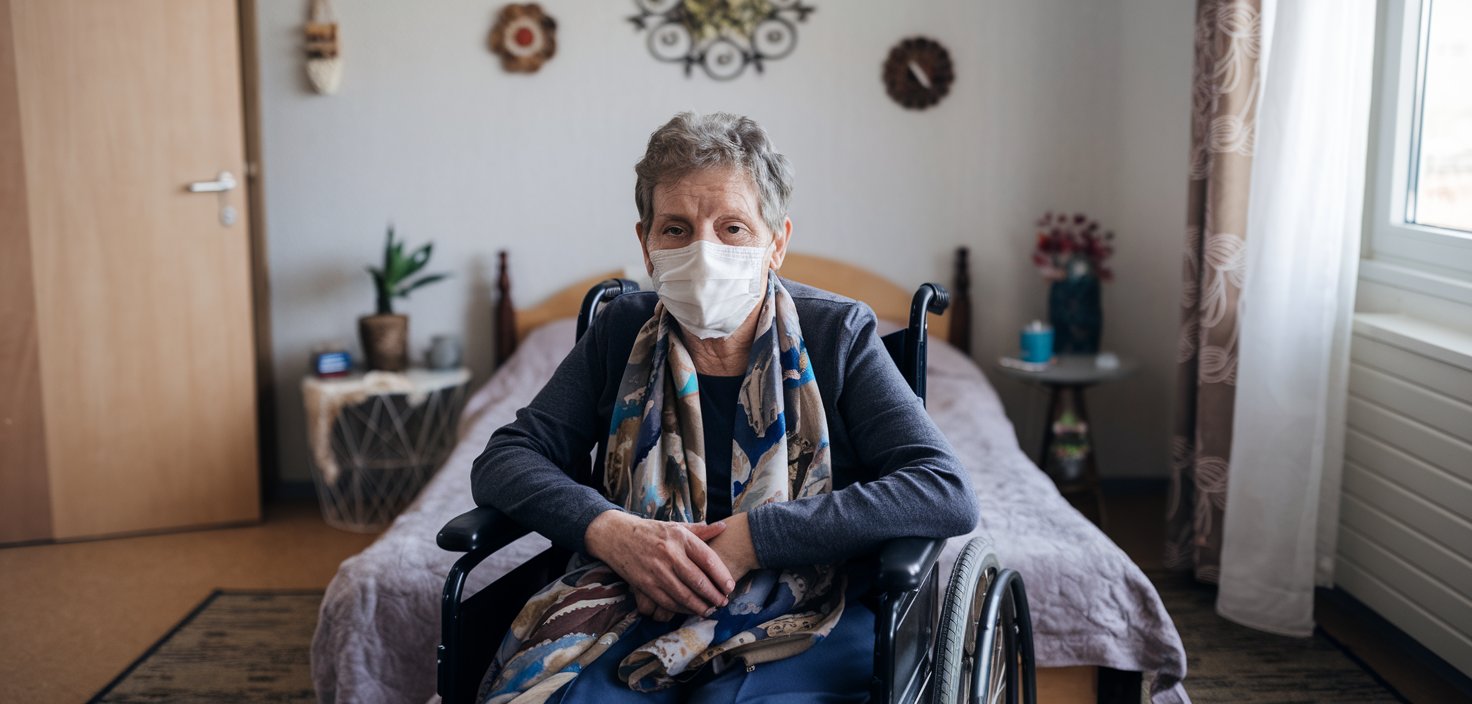
New York law provides clear guidelines for nursing home standards, but even with these protections, abuse and neglect still occur. Our firm understands the devastating impact these violations have on residents and their families. If your loved one has suffered due to nursing home abuse in Long Island, it is crucial to act swiftly to protect their rights and hold the responsible parties accountable.
Basic Legal Rights Guaranteed to Nursing Home Residents in New York
Every nursing home resident in New York is protected by a comprehensive body of laws that establish both state and federal standards for care. These rights ensure that residents receive safe, respectful, and proper treatment regardless of their physical or mental condition. Families should be familiar with these rights, which include:
- The right to be free from physical, emotional, verbal, and sexual abuse
- The right to safe, clean, and sanitary living conditions
- The right to receive proper medical care, including medication administration
- The right to participate in decisions about their care plan
- The right to report abuse or neglect without fear of retaliation
- The right to privacy and confidentiality
Unfortunately, even with these legal protections, recent violations at facilities in Long Island show how easily these rights can be violated. For example, at the Medford Multicare Center for Living, staff allegedly failed to investigate multiple sexual misconduct claims, resulting in significant fines from state and federal agencies. Similarly, at Cold Spring Hills Center for Nursing & Rehabilitation, reports of staff roughly handling residents went unreported and uninvestigated, violating residents’ rights to safety and dignity.
When facilities ignore these standards, families may pursue claims under New York Public Health Law § 2801-d, which allows for private civil actions against nursing homes that deprive residents of legal rights or cause injuries through neglect or abuse.
Staffing Shortages Often Lead to Violations and Resident Harm
One of the driving factors behind many nursing home violations in Long Island is chronic understaffing. When facilities fail to maintain adequate staffing levels, residents may suffer serious consequences, including malnutrition, falls, bedsores, and delayed medical treatment. Recent reports show New York nursing homes averaging 3.59 total nurse staff hours per resident daily, among the lowest in the country.
For example, at Maria Regina Rehabilitation and Nursing in Brentwood, a resident with dementia was found drinking from a bottle of hair dye left unattended at a nurses’ station. Such a failure to supervise could have led to catastrophic health consequences. This incident demonstrates how low staffing levels and poor supervision directly jeopardize resident safety.
New York’s staffing law, effective in 2022, requires nursing homes to provide a minimum of 3.5 hours of care per resident per day, with specific requirements for certified nursing assistants and licensed nurses. Facilities that fail to meet these standards may face fines of $2,000 per day. Despite these legal obligations, many homes continue to struggle with recruiting and retaining qualified staff.
At Pine Forest Center for Rehabilitation and Healthcare in Huntington, insufficient monitoring allowed a suicidal resident to open a faulty window and jump from a second-floor room, sustaining multiple fractures. These preventable tragedies illustrate the consequences of staffing failures.
Recognizing the Signs of Abuse and Neglect
Family members play a critical role in protecting their loved ones from abuse and neglect. Early recognition of warning signs can prevent ongoing harm and allow timely legal action. Common indicators include:
- Unexplained injuries such as bruises, fractures, or burns
- Sudden changes in behavior, fear, or withdrawal
- Weight loss, dehydration, or malnutrition
- Poor hygiene or unsanitary living conditions
- Bedsores or untreated medical conditions
- Reports of verbal, sexual, or physical abuse
If you suspect any of these signs, it’s critical to act quickly to protect your loved one and preserve evidence. Our attorneys at Alonso Krangle, LLP can help you evaluate the situation and take immediate steps to investigate.
How New York Law Holds Nursing Homes Accountable
In New York, multiple state and federal laws exist to safeguard residents and punish facilities that violate their responsibilities. The New York Public Health Law, federal regulations under the Centers for Medicare & Medicaid Services (CMS), and criminal statutes all provide pathways to accountability.
Residents and families may also pursue private lawsuits to recover compensation for injuries, suffering, and financial losses. These civil claims can force facilities to change dangerous practices and provide justice for victims of nursing home abuse.
Mandatory Reporting Obligations Protect Vulnerable Residents
New York law requires nursing home staff and administrators to report any suspected abuse, neglect, or mistreatment. Failure to report these incidents violates both state regulations and federal requirements, and can lead to substantial fines and sanctions.
Timely reporting is crucial not only to prevent future incidents but also to protect other residents from similar harm. When facilities fail to comply, they put vulnerable individuals at risk and expose themselves to significant legal consequences.
What to Do If You Suspect Your Loved One’s Rights Have Been Violated
If you believe your loved one has been harmed in a nursing home, swift action is essential. Here are the steps you should consider:
- Document any signs of abuse or neglect, including photographs and detailed notes
- Request copies of medical records and incident reports
- Report your concerns to the New York State Department of Health
- Contact our lawyers at Alonso Krangle, LLP to review your case and discuss legal options
Prompt legal intervention can stop ongoing abuse, ensure proper investigations, and hold facilities accountable for violations of nursing home rights. Families in Long Island deserve strong legal representation when facing these difficult situations.
Long Island Families Have Legal Options and Strong Protections
The cases across Long Island – from Brentwood to Huntington to Smithtown – serve as harsh reminders of how vulnerable nursing home residents are when facilities fail in their duties. Whether it’s improper supervision, inadequate staffing, failure to report abuse, or medication errors, these incidents can have tragic outcomes. Fortunately, the law gives families powerful tools to fight back.
Our firm is committed to standing beside families whose loved ones have suffered in Long Island nursing homes. You don’t have to face the legal system alone. Contact Alonso Krangle, LLP today to speak with our experienced attorneys and learn how we can help protect your loved one’s rights and pursue justice.
Frequently Asked Questions About Nursing Home Rights
What legal rights do nursing home residents have in New York?
New York law guarantees residents the right to be free from abuse, receive proper medical care, live in safe conditions, participate in care decisions, and report concerns without retaliation. These rights are enforced through state and federal regulations.
How do I know if my loved one is being abused in a Long Island nursing home?
Watch for physical injuries, emotional changes, weight loss, poor hygiene, bedsores, and unexplained medical issues. Trust your instincts-any suspicious signs should be taken seriously and investigated immediately.
What agencies oversee nursing home violations in Long Island?
The New York State Department of Health and the U.S. Centers for Medicare & Medicaid Services (CMS) both investigate and fine nursing homes for violations of care standards.
What should I do if I suspect neglect or abuse in a Long Island facility?
Document your concerns, report them to state authorities, and contact our lawyers at Alonso Krangle, LLP. Legal action may be necessary to stop the abuse and secure compensation for harm done.
Can I sue a nursing home for neglect or abuse in New York?
Yes. Under New York Public Health Law § 2801-d, residents and families may file civil lawsuits against nursing homes for violations of residents’ rights that result in harm.
Are there time limits for filing a nursing home abuse lawsuit?
In New York, the statute of limitations for personal injury claims is generally three years, but claims involving wrongful death or government-owned facilities may have shorter deadlines. It’s important to consult our firm as soon as possible.
Do I need evidence to file a claim?
While evidence strengthens your case, even limited documentation can be enough to initiate legal action. Our lawyers can help gather medical records, witness statements, and inspection reports to build your case.
How much compensation can we recover for nursing home abuse?
The amount depends on the severity of harm, medical costs, emotional suffering, and future care needs. Every case is different, and our attorneys work to secure the full compensation your loved one deserves.
Speak with An Attorney
Submit This Form or Call 800-403-6191