

Uneven Floors and Broken Sidewalks: Who Can Be Held Responsible?
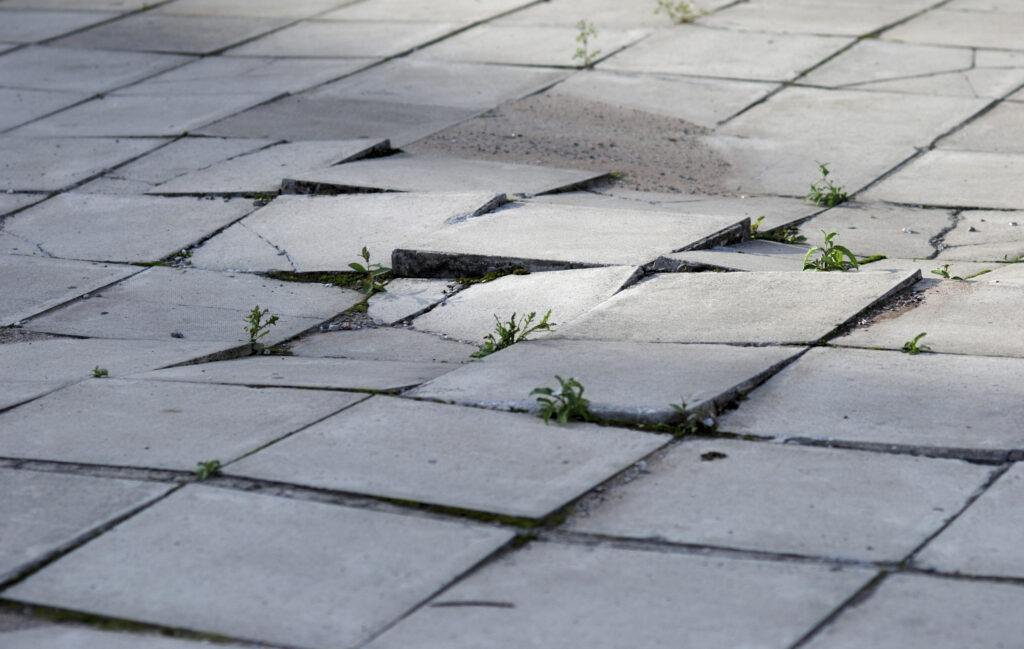
A cracked sidewalk, uneven floor, or damaged walking surface can create a serious hazard. People may not notice a change in elevation until their foot catches the edge. A sudden fall can cause broken bones, head injuries, back injuries, and other painful conditions.
When someone falls because of a dangerous walking surface, one of the first questions is often: Who is responsible for the injury?
The answer depends on where the accident happened, who controlled the property, and what that person or business knew about the dangerous condition. In New York, property owners and other responsible parties may have a duty to maintain their premises in a reasonably safe condition. When they fail to address a known hazard, that failure may contribute to a serious slip and fall accident.
How Uneven Surfaces Cause Slip and Fall Accidents
Walking surfaces do not always need to look severely damaged to cause an injury. A small change in elevation can catch a person’s foot and cause them to lose their balance. Cracks, broken pavement, loose flooring, raised tiles, and damaged steps can all create similar risks.
Commercial properties may have these hazards in many locations. A person could trip on a damaged sidewalk outside a store, encounter an uneven floor inside a business, or fall because a property owner failed to repair a deteriorating walkway. These accidents can happen quickly, which means victims may not immediately understand what caused their fall. Taking photographs of the area soon after the accident can help preserve evidence of the condition that contributed to the injury.
When Can a Property Owner Be Responsible?
Property owners have a responsibility to maintain their property and address dangerous conditions when the law requires them to do so. However, an owner does not automatically become responsible every time someone falls on the property. A potential premises liability claim may depend on whether the owner created the dangerous condition, knew about it, or had enough time to discover and correct it.
For example, suppose a business owner knows that a section of flooring has become loose but does nothing to repair it or warn customers. If someone later trips on that flooring and suffers an injury, the owner’s knowledge of the hazard could become an important part of the claim. The same principle can apply to damaged sidewalks and walkways. Evidence that a property owner knew about a dangerous condition but failed to address it may support an injured person’s case.
What If the Property Owner Did Not Create the Hazard?
A property owner does not necessarily have to create a dangerous condition to face liability. In some cases, the issue involves notice. If a dangerous condition existed long enough, the property owner may have had an opportunity to discover it and take reasonable steps to correct it.
For example, imagine a crack in a sidewalk that has gradually become larger over several months. If the property owner regularly inspects the area, maintenance workers or employees may have had an opportunity to notice the damage. Complaints from customers, tenants, or other people may also provide evidence that the owner knew about the problem. The length of time a hazard existed can therefore become an important issue in a premises liability case.
Who Is Responsible for a Broken Sidewalk?
Sidewalk accidents can create more complicated questions about responsibility because different parties may have duties involving the area. Depending on the location and circumstances, a sidewalk may involve a property owner, municipality, landlord, tenant, property manager, or another party responsible for maintenance.
New York also has specific laws and local rules concerning sidewalks, which can affect who has responsibility for maintaining a particular section of walkway. The location of the accident therefore matters when determining which rules apply. An injured person should not assume that the nearest property owner automatically bears responsibility. An attorney can examine the property, applicable local requirements, maintenance responsibilities, and other facts to determine which parties may have legal responsibility.
What If You Fell Inside a Business?
Uneven floors can create hazards inside stores, restaurants, offices, shopping centers, and other commercial properties. A damaged floor may result from poor maintenance, construction work, worn materials, or another problem. A business may also have temporary hazards, such as flooring that has become loose during a repair or renovation.
Businesses that invite customers or other visitors onto their property need to take reasonable steps to address dangerous conditions. Depending on the circumstances, that could mean repairing the hazard, blocking access to the area, or providing an appropriate warning. When a business fails to address a dangerous condition and someone suffers an injury, the circumstances may support a premises liability claim.
What Evidence Can Help Prove a Sidewalk or Floor Was Dangerous?
Evidence can make a significant difference in a slip and fall case. Dangerous conditions can change quickly after an accident, particularly when a property owner repairs or replaces the damaged surface. Photographs can show the condition of the floor or sidewalk at the time of the accident. If possible, take pictures from several angles and include objects that help show the size or depth of a crack, raised surface, or other hazard.
Witnesses may also provide valuable information. Someone who saw the fall may be able to describe what happened. A nearby employee, tenant, or neighbor may also know how long the dangerous condition existed. Other evidence may include maintenance records, inspection records, repair requests, incident reports, surveillance footage, and communications about previous complaints. Medical records can then document the injuries caused by the fall and the treatment those injuries require.
What Should You Do After Falling on an Uneven Surface?
After a serious fall, seek medical attention even if your injuries do not seem severe at first. Some injuries, including certain head, back, and soft-tissue injuries, may not become obvious immediately. If you can safely do so, photograph the area where you fell before someone repairs or changes the condition. Report the accident to the property owner, manager, or appropriate employee, and ask for a copy of any incident report when possible.
It can also help to write down what happened while you still remember the details. Include where you fell, what caused you to lose your balance, and whether anyone witnessed the accident. Keep your medical records, bills, receipts, and other documentation related to the injury. These records can help demonstrate both the immediate and long-term effects of the accident.
Can You Still Have a Claim If You Were Not Looking Down?
A property owner may argue that an injured person should have noticed the dangerous condition. However, the fact that someone did not see a hazard does not automatically eliminate a potential claim. People naturally look ahead while walking rather than constantly watching the ground beneath their feet. The circumstances surrounding the accident matter, including the visibility of the hazard, lighting conditions, the location of the defect, and whether anything obstructed the person’s view.
The injured person’s actions may become part of the legal analysis, but an insurance company or property owner should not automatically assume that the victim caused the accident.
What If a Serious Injury Occurs?
A trip or fall that seems minor can lead to a significant injury. A person may suffer a broken hip, fractured wrist, torn ligament, spinal injury, or traumatic brain injury. Some injuries require surgery and months of rehabilitation. Serious injuries can also affect a person’s ability to work and handle everyday activities.
Medical expenses may continue long after the initial emergency room visit, particularly when a victim needs physical therapy, follow-up appointments, or other treatment. If another party’s negligence caused the dangerous condition, an injured person may have the right to seek compensation for medical expenses, lost income, pain and suffering, and other losses.
Understanding Your Options After a Fall
Uneven floors and broken sidewalks can create hazards that property owners and other responsible parties should address. When someone suffers an injury because a dangerous condition went uncorrected, the circumstances may support a premises liability claim. Determining responsibility often requires more than simply identifying where the accident happened. The condition itself, who controlled the property, how long the hazard existed, and whether someone knew or should have known about it can all matter.
If you suffered an injury after tripping on an uneven floor or broken sidewalk, preserving evidence and seeking legal advice can help you understand your options.
Alonso Krangle Fight for Victims After a Slip and Fall Injuries
A serious trip and fall can lead to medical treatment, missed work, and lasting changes to your daily life. If a dangerous floor, sidewalk, or other walking surface caused your injury, you may have questions about who should pay for the resulting losses. Alonso Krangle represents injured individuals throughout Long Island, including Nassau County, Suffolk County, and Queens. The firm can review the circumstances of your accident and help you understand whether you may have a premises liability claim. Call us at 800-403-6191 or contact us online for a free consultation and a confidential conversation about your rights.
Speak with An Attorney
Submit This Form or Call 800-403-6191