

What Evidence Can Help Support a Car Accident Claim?
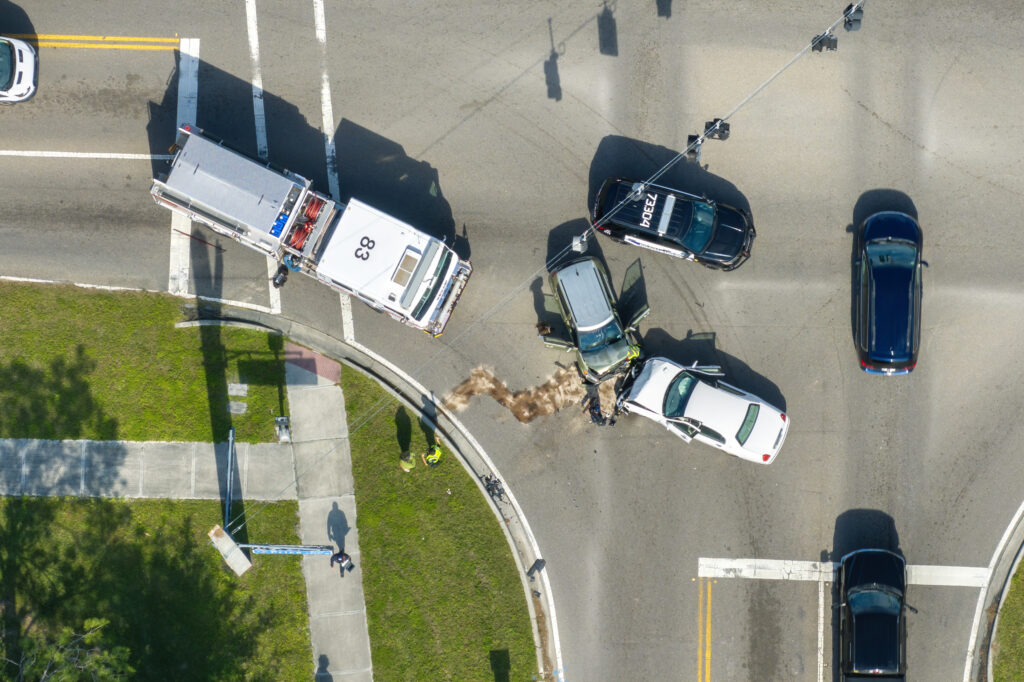
A car accident can happen in a matter of seconds, but the impact can last for months or even years. After a crash, injured victims often have to deal with medical treatment, vehicle repairs, insurance companies, and uncertainty about what happens next. One of the most important parts of pursuing a car accident claim is understanding what evidence can help explain what happened and demonstrate the impact of the injuries. Strong evidence can help establish how the accident occurred, who may be responsible, and the losses a victim experienced because of the crash. For drivers throughout Long Island, Nassau County, Suffolk County, Queens, and New York, preserving important information after an accident can be a critical step toward protecting their rights.
Why Evidence Matters After a Car Accident
Car accident claims often involve questions about fault, injuries, and financial losses. Insurance companies may review the available evidence when deciding whether to accept or challenge a claim. Evidence can help answer important questions, such as:
- How did the accident happen?
- Who was responsible?
- What injuries resulted from the crash?
- How did the accident affect the victim’s daily life?
The more complete the information available, the easier it may be to understand the full circumstances surrounding the accident.
Photos and Videos From the Accident Scene
One of the most valuable types of evidence after a crash is documentation from the accident scene. If you are physically able to do so, taking photographs or videos can help preserve details that may change later. Important things to document may include:
- Damage to all vehicles involved
- The position of vehicles after the collision
- Road conditions
- Traffic signs and signals
- Visible injuries
- Property damage
Photos can provide a visual record of what happened and may help clarify details that are later disputed.
Police Reports and Accident Documentation
A police report can be an important piece of evidence in many car accident cases. After responding to an accident, law enforcement officers typically document information about the crash, speak with involved drivers, and record observations from the scene. A police report may include details such as:
- Statements from drivers and witnesses
- Accident location and conditions
- Potential contributing factors
- Officer observations
While a police report does not automatically determine liability, it can provide valuable information when reviewing a claim.
Medical Records and Injury Documentation
Medical evidence is often one of the most important parts of a car accident injury claim. Some injuries may be immediately noticeable, while others may develop over time. Medical records can help connect the accident to the injuries and document the treatment required. Important medical evidence may include:
- Emergency room records
- Doctor visits
- Diagnostic testing
- Physical therapy records
- Treatment recommendations
Following medical advice and keeping records of your recovery can help demonstrate the seriousness of your injuries.
Witness Statements and Testimony
People who saw the accident happen may provide important information about what occurred. Witnesses can sometimes confirm details such as traffic conditions, driver behavior, or how the collision happened. Witness information may include:
- Names and contact information
- Statements about what they observed
- Details about the events leading up to the crash
Because memories can fade over time, gathering witness information as soon as possible can be beneficial.
Insurance and Financial Records
A car accident can create financial losses beyond vehicle repairs. Documentation of expenses and financial impacts can help show the damages associated with the accident.This may include:
- Medical bills
- Repair estimates
- Lost wage documentation
- Transportation costs
- Other accident-related expenses
Keeping these records organized can make it easier to evaluate the full impact of the crash.
Additional Evidence That May Help a Claim
Depending on the circumstances of the accident, other forms of evidence may become important. This can include surveillance footage, dash camera recordings, vehicle data, or information about road conditions. In some cases, a detailed investigation may be needed to uncover evidence that is not immediately available after the accident.
Avoiding Common Evidence Mistakes
After an accident, victims should be careful about actions that could make it harder to support their claim. This includes discussing the accident publicly, providing statements about fault before all facts are known, or accepting a settlement before understanding the full extent of injuries. Many injuries become clearer over time, and settling too quickly may not account for future medical needs or complications.
Alonso Krangle Fight for Victims of Car Accident Injuries
The evidence collected after a car accident can play an important role in protecting an injured victim’s ability to pursue compensation. From medical records and photographs to witness statements and accident reports, every detail can help tell the story of what happened. Alonso Krangle helps injury victims throughout Long Island, Nassau County, Suffolk County, Queens, and New York pursue compensation after serious car accidents. If you or a loved one was injured in a car accident, contact Alonso Krangle for a free consultation and a confidential conversation about your rights. Call us at 800-403-6191 or contact us online to learn more about your legal options.
Speak with An Attorney
Submit This Form or Call 800-403-6191