

What Should You Do After a Construction Site Accident in New York?
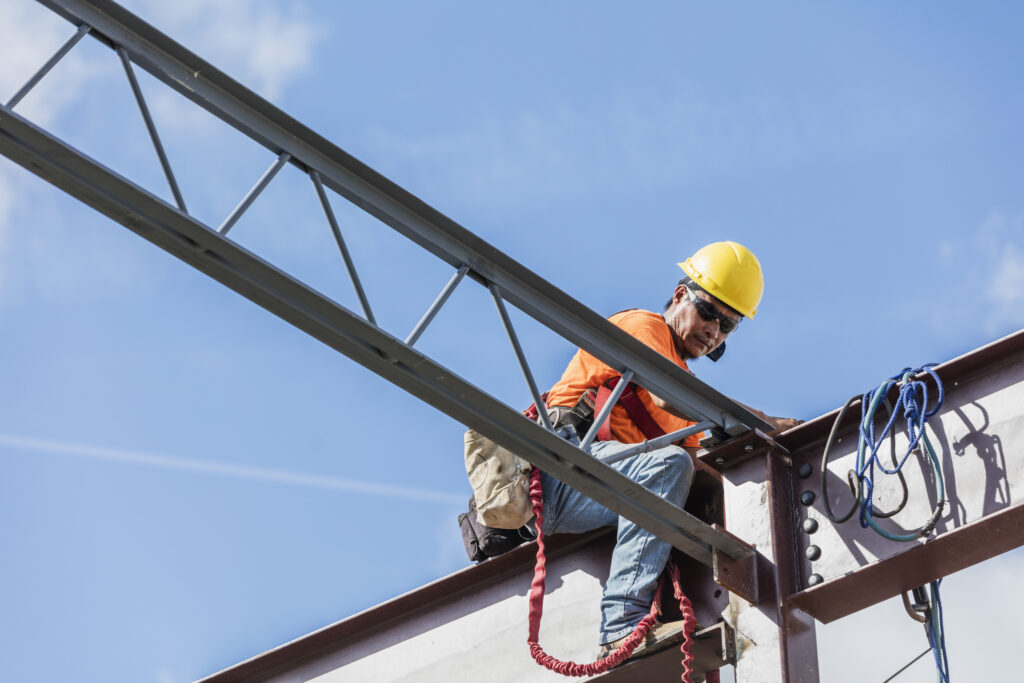
Construction sites can expose workers to falls, falling objects, defective equipment, electrical hazards, trench collapses, machinery accidents, and other serious dangers. When an accident happens, an injured worker may need immediate medical treatment while also trying to understand what caused the accident and who may be responsible.
Taking the right steps after a construction site accident can help protect your health, preserve important evidence, and support a potential workers’ compensation or personal injury claim. In New York, workers should also understand that workers’ compensation may not always be the only legal remedy available.
Seek Medical Treatment Immediately
Your health should come first after a construction accident. If you suffered a serious injury, seek emergency medical treatment right away. Even when an injury does not initially seem severe, symptoms can develop or worsen later.
Tell the healthcare provider that the injury happened at work and explain how the accident occurred. New York’s Workers’ Compensation Board advises injured workers to seek medical treatment promptly and tell their healthcare provider that the injury is work-related.
Keep copies of medical records, prescriptions, bills, treatment instructions, and other documentation related to your injury. These records can help establish the nature and extent of your injuries and the treatment you need.
Report the Accident to Your Employer
Notify your employer or supervisor about the accident as soon as possible. New York generally requires an injured worker to notify the employer in writing within 30 days of the injury. The Workers’ Compensation Board recommends providing written notice rather than relying on a verbal report.
If your employer provides an accident report, make sure the information accurately describes what happened. Do not guess about the cause of an accident if you do not know what caused it.
For example, if a worker falls from scaffolding, the report should describe the fall and the conditions surrounding it. Determining whether a defective scaffold, missing safety device, improper setup, or another problem caused the fall may require further investigation.
Document the Construction Site
Construction sites can change quickly after an accident. Equipment may be moved, debris may be removed, or a dangerous condition may be corrected.
If your medical condition allows and it is safe to do so, take photographs or ask someone you trust to document the accident scene. Useful evidence may include:
- The location where the accident occurred
- Damaged or defective equipment
- Scaffolding, ladders, platforms, or safety devices
- Missing guardrails or other protective equipment
- Debris, construction materials, or other hazards
- Warning signs and safety notices
- The surrounding work area
- Your injuries and damaged clothing or equipment
Do not put yourself at additional risk to obtain photographs. Your safety should come first.
Identify Witnesses
Other workers, supervisors, contractors, or site visitors may have seen the accident or the conditions leading up to it. If possible, obtain their names and contact information.
Witnesses may be able to explain what happened before the accident, identify equipment involved in the incident, or describe whether workers had raised safety concerns before the injury occurred.
A construction project may also involve multiple employers and contractors. Identifying who was working at the site can become important when determining whether another company or contractor may have played a role in the accident.
Preserve Evidence From the Accident
Try to preserve any evidence connected to the accident. Keep the clothing, footwear, protective equipment, tools, or other items involved in the incident.
If a piece of equipment malfunctioned, do not alter or repair it yourself. Information about the equipment’s condition, maintenance, inspection history, and manufacturer can become important when investigating the accident.
Other records may also matter, including photographs, accident reports, work schedules, safety communications, training records, and medical documentation.
File a Workers’ Compensation Claim
If you were injured while performing your job, you may be entitled to workers’ compensation benefits. New York’s Workers’ Compensation Board advises injured workers to file an Employee Claim, Form C-3, with the Board as soon as possible. The Board generally requires an injured worker to file within two years of the accident.
Workers’ compensation can provide benefits for medical care and, when appropriate, lost wages and other benefits. The Board also explains that employers must report most work-related injuries to their insurance carrier within 10 days after receiving notice of the injury.
Do not assume that you cannot file a claim because your employer says the accident was your fault or because you did not miss work immediately. The circumstances of each claim matter.
Determine Whether a Third Party May Be Responsible
Workers’ compensation is not necessarily the only potential source of compensation after a construction accident.
A construction site can involve a property owner, general contractor, subcontractors, equipment manufacturers, suppliers, and other parties. If someone other than your employer contributed to the accident, you may have a potential third-party personal injury claim in addition to workers’ compensation benefits.
New York’s Labor Law provides important protections for certain construction workers. For example, Labor Law § 240 requires certain owners and contractors to provide specified safety devices for workers performing covered construction, demolition, and repair work. The statute addresses equipment such as scaffolds, hoists, ladders, slings, ropes, and other devices intended to protect workers.
Labor Law § 241 also establishes safety requirements for certain construction, excavation, and demolition work and requires covered areas to provide reasonable and adequate protection and safety to workers.
Labor Law § 200 establishes a broader duty concerning reasonable and adequate protection for workers and addresses the condition and operation of machinery, equipment, and devices.
Whether any of these provisions applies depends on the specific work being performed, the type of accident, the parties involved, and other facts.
Do Not Assume You Are an Independent Contractor
Construction workers sometimes receive payment through a contractor and are told that they are independent contractors rather than employees. That classification does not necessarily settle whether you qualify for workers’ compensation.
New York’s Construction Industry Fair Play Act creates a presumption that a person performing services for a contractor is an employee unless the statutory requirements for independent-contractor status are satisfied.
If you were injured while working on a construction project and someone claims that you are not an employee, the circumstances of your working relationship may need to be examined carefully.
Be Careful When Discussing the Accident
After a serious construction accident, you may have to communicate with your employer, an insurance company, investigators, or other parties. Provide accurate information about what happened, but avoid guessing about facts you do not know.
You also do not need to determine the legal cause of the accident yourself. A construction accident may involve multiple companies, safety requirements, equipment issues, or other factors that require a detailed investigation.
If someone asks you to sign a statement or other document about the accident, make sure you understand what you are signing.
Talk to a New York Construction Accident Attorney
Consider speaking with a construction accident attorney if you suffered a serious injury, your workers’ compensation claim is disputed, or another company may have contributed to the accident.
An attorney can investigate the construction site, identify potentially responsible parties, review medical and employment records, and determine whether New York Labor Law or another legal theory may apply.
Early investigation can also help preserve evidence that might otherwise disappear as construction work continues.
What Benefits May Be Available After a Construction Accident?
The benefits and compensation available depend on the circumstances of the injury and the type of claim involved.
A workers’ compensation claim may provide medical treatment and wage-related benefits when an injured worker qualifies. A separate third-party claim may provide additional damages when another party’s negligence or legal violation caused the injury.
Depending on the circumstances, an injured construction worker may face:
- Medical expenses and ongoing treatment
- Lost income
- Rehabilitation and physical therapy
- Permanent disability
- Reduced future earning capacity
- Pain and suffering
- Other losses associated with a serious injury
Not every construction accident creates a third-party lawsuit, and workers’ compensation benefits operate differently from a personal injury claim. An attorney can help determine which claims may apply.
Take Action After a New York Construction Accident
A construction accident can leave a worker facing serious injuries, time away from work, and uncertainty about what happens next. Seeking medical treatment, reporting the accident, preserving evidence, and filing the appropriate workers’ compensation claim can help protect your rights.
If another contractor, property owner, equipment manufacturer, or other party may have contributed to the accident, a separate legal claim may also be possible. New York construction accident laws can be complex, particularly when Labor Law protections and multiple contractors are involved.
Alonso Krangle Fight for Victims After a Construction Accident
If you were injured on a construction site in New York, you do not have to determine on your own whether workers’ compensation or a third-party injury claim applies. Alonso Krangle helps injury victims throughout Long Island, Nassau County, Suffolk County, Queens, and New York pursue compensation after serious construction accidents and works to hold negligent parties accountable. If you or a loved one was injured in a construction fall accident, call us at 800-403-6191 or contact us online.
Speak with An Attorney
Submit This Form or Call 800-403-6191