

What Should You Do After a Slip and Fall in a New York Grocery Store?
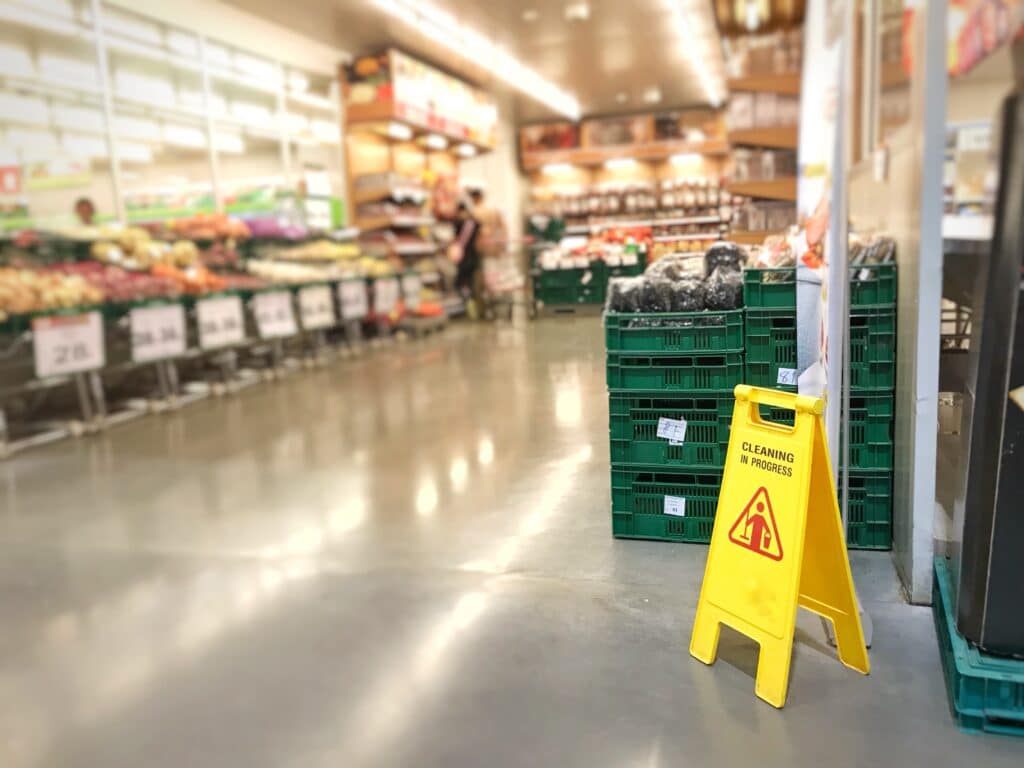
A slip and fall in a grocery store can happen quickly. A spilled liquid, dropped produce, leaking freezer, uneven floor, or another hazard can cause a serious injury before a shopper even realizes there is a problem. If you fall in a New York grocery store, the steps you take afterward can help protect both your health and your ability to pursue a personal injury claim. Medical treatment, photographs, witness information, store reports, and other evidence can become important when determining what caused the accident and whether the store should be held responsible.
Get Medical Attention for Your Injuries
Your health should come first after a grocery store fall. Even if you initially feel fine, some injuries may not become obvious until hours or days later. A fall can cause broken bones, sprains, torn ligaments, back injuries, head injuries, or other conditions that require treatment. If you experience pain or other symptoms, seek medical attention and follow your healthcare provider’s recommendations.
Medical records can also document the injuries you suffered and connect them to the accident. Keep copies of bills, treatment records, prescriptions, and other documentation related to your care.
Report the Fall to the Grocery Store
Tell a store employee or manager about the accident as soon as possible. Ask the store to document the incident and request information about how to obtain a copy of the incident report.
When reporting the fall, describe what happened accurately. If you know what caused you to fall, explain what you observed without guessing about facts you did not see.
For example, you may notice water on the floor after you fall but not know where it came from. You can document the condition without assuming that a leaking refrigerator, employee, or another customer caused it.
Take Photos of the Hazard
If you can safely do so, photograph the area where you fell before employees clean it up or remove the hazard. Take several photographs from different angles so the condition and its location are clear.
Depending on the circumstances, useful photographs may show:
- A spill, food, produce, or other substance on the floor
- Wet or slippery flooring
- Damaged or uneven flooring
- A leaking refrigerator or freezer
- Missing or inadequate warning signs
- The surrounding aisle or checkout area
- The location of the fall within the store
If your clothing, shoes, or belongings were damaged during the accident, photograph those items as well.
Look for Witnesses
Other shoppers or employees may have seen the hazard, your fall, or what happened immediately beforehand. If someone witnessed the accident, ask for their name and contact information if they are willing to provide it. A witness may also know how long the dangerous condition existed. That information can matter in a New York slip and fall case.
For example, the New York Appellate Division recently addressed a supermarket fall involving wet flooring and crushed grapes in an aisle. The court explained that a grocery store can face liability when it created the dangerous condition or had actual or constructive notice of it and a reasonable opportunity to correct or warn about the hazard.
Preserve Evidence From the Accident
Try to preserve anything that may help document what happened. Keep the clothing and shoes you wore at the time of the accident rather than immediately throwing them away or cleaning them. Save photographs, medical records, receipts, correspondence with the store, and information about witnesses. If you used a loyalty account or made a purchase shortly before the fall, keep the receipt or transaction information as well.
Surveillance video can also become important. Grocery stores often have cameras covering aisles, entrances, checkout areas, and other portions of the property. If surveillance footage captured the accident or the condition that caused it, preserving that footage may help establish what happened.
Why Notice Matters in a New York Grocery Store Fall
A grocery store does not automatically become legally responsible every time someone falls on its property. New York law generally requires an injured person to establish that the store created the dangerous condition or had actual or constructive notice of it and a reasonable opportunity to correct the condition or warn customers.
Actual notice means the store knew about the dangerous condition. For example, an employee may have received a report about a spill before the accident or may have seen the hazard personally.
Constructive notice involves a condition that was visible and apparent and existed long enough that the store reasonably should have discovered and corrected it. New York courts have emphasized that the length of time the condition existed can become an important issue in these cases.
That is one reason evidence from the scene can matter so much. A photograph showing the condition alone may not establish how long it was there, but photographs, witness statements, surveillance footage, inspection records, employee testimony, and other evidence can help establish the circumstances surrounding the fall.
Do Not Assume the Store Is Automatically at Fault
A grocery store may argue that it did not create the hazard and did not know about it. It may also argue that the condition appeared too shortly before the accident for employees to discover it.
For example, in one New York case involving a supermarket, the store presented evidence that an employee had inspected the aisle approximately 15 minutes before the plaintiff’s fall and did not observe a dangerous condition. The court considered that evidence when addressing constructive notice.
These cases often turn on specific facts, including what caused the fall, where the hazard appeared, how long it existed, whether employees were nearby, and what the store’s inspection and cleaning practices showed.
New York’s Comparative Negligence Rules May Also Matter
A grocery store may argue that the injured shopper contributed to the accident. That does not automatically prevent someone from recovering compensation.
Under New York Civil Practice Law and Rules § 1411, a claimant’s culpable conduct generally does not bar recovery in a personal injury action, but the damages awarded can be reduced in proportion to the claimant’s share of responsibility.
For that reason, an injured shopper should avoid assuming that a store’s explanation of the accident is the final word on liability.
Talk to a New York Personal Injury Attorney
If you suffered a significant injury in a grocery store, consider speaking with a New York personal injury attorney before making decisions about a potential claim. An attorney can review the circumstances of the fall, identify potentially responsible parties, examine available evidence, and explain how New York premises liability law may apply.
New York generally provides three years to commence an action for personal injury under CPLR § 214, although exceptions and different deadlines can apply depending on the circumstances and the parties involved. Because evidence can disappear and important deadlines can apply, it is better to address a potential claim promptly rather than wait until the deadline approaches.
Alonso Krangle Fight for Victims After a Slip and Fall Injuries
A grocery store fall can leave you dealing with medical treatment, lost income, and uncertainty about what caused the accident. If a dangerous condition contributed to your injuries, understanding your rights can help you determine what options may be available. Alonso Krangle helps injury victims throughout Long Island, Nassau County, Suffolk County, Queens, and New York pursue compensation after serious slip and fall accidents. If you or a loved one was injured in a retail store slip and fall accident, call us at 800-403-6191 or contact us online for a free consultation and a confidential conversation about your rights.
Speak with An Attorney
Submit This Form or Call 800-403-6191