

When a Commercial Delivery Truck Is Involved in a Multi-Vehicle Crash: Who Can Be Held Responsible?
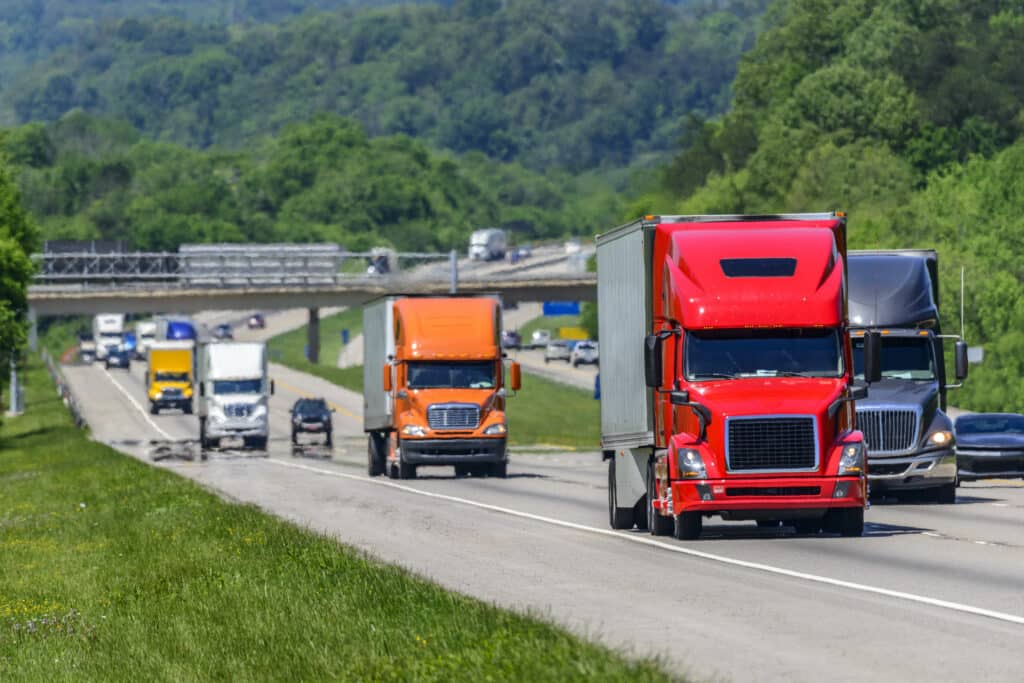
When a commercial delivery truck is involved in a crash with several vehicles, figuring out who caused the collision can be difficult. One impact may trigger a chain reaction, leaving multiple drivers and passengers injured. Victims may face medical bills, missed work, and uncertainty about who should pay for their losses.
A September 2026 crash on the Major Deegan Expressway in the Bronx shows how serious these collisions can be. According to News 12, six vehicles, including a U.S. Postal Service (USPS) truck, were involved in a crash near Exit 7. Three people were taken to Lincoln Medical Center, and two suffered serious injuries. Authorities had not determined the cause at the time of the report.
When a delivery truck is part of a multi-vehicle collision, the investigation must look at more than the final impact. The truck driver, other motorists, the delivery company, or even a vehicle manufacturer may share responsibility. Understanding how these claims work can help injured New Yorkers explore their options.
Why Are Multi-Vehicle Truck Accidents Complicated?
In a chain-reaction crash, the first collision may set off several others. For example, a truck might strike a car that has slowed suddenly, pushing it into another vehicle. But the sequence could begin with a different driver’s unsafe lane change or failure to stop.
A truck’s size and weight can make a collision especially dangerous. Large commercial vehicles also need more room to stop than passenger cars, so sudden changes in traffic can create serious risks. Still, a truck’s involvement does not automatically make its driver responsible.
To understand what happened, investigators may review vehicle damage, skid marks, photographs, witness statements, traffic camera footage, and available vehicle data. This evidence can help establish the order of the impacts and whether a driver’s actions contributed to the crash.
Who Could Be Held Responsible?
Several parties may be responsible for a multi-vehicle collision. The answer depends on how the crash happened and what the evidence reveals.
The Truck Driver
A delivery truck driver may be responsible if careless driving causes or contributes to the collision. Examples include speeding, following too closely, distracted driving, or changing lanes without checking that it is safe to do so.
Investigators may also look at whether the driver adjusted to traffic, weather, and road conditions. A truck driver who fails to slow down in heavy traffic, for instance, may have less time to react when vehicles ahead brake suddenly.
However, not every collision involving a truck results from the truck driver’s actions. The investigation must consider the conduct of everyone involved.
The Delivery Company
A delivery company may also face a claim if its driver’s negligence caused a crash while performing work duties. In some cases, the company’s own decisions may contribute to the danger.
For example, poor vehicle maintenance or a failure to address known safety problems could become relevant if those issues played a role in the collision. Investigators may review maintenance records, driver training, safety procedures, and other company documents to understand whether the employer contributed to the crash.
The company’s relationship with the driver also matters. A private delivery business, an independent contractor, and a government agency may be subject to different legal rules.
Other Drivers
Other motorists may share responsibility for a chain-reaction crash. A driver who cuts in front of a truck, brakes unexpectedly without a safety-related reason, or follows another vehicle too closely may contribute to the collision.
New York’s comparative fault rules allow responsibility to be divided among multiple parties. An injured person may still recover damages even if they were partly at fault, although their recovery can be reduced based on their share of responsibility.
That means a claim should not be dismissed simply because more than one driver may have made a mistake. Establishing each party’s role can help clarify who may owe compensation.
A Vehicle Manufacturer or Maintenance Provider
Sometimes, a mechanical problem contributes to a truck crash. Faulty brakes, defective tires, or a steering problem may prevent a driver from controlling the vehicle or stopping safely.
If a defective component caused the problem, the manufacturer may face a product liability claim. If improper repairs or negligent maintenance contributed to the failure, a repair shop or maintenance provider may also warrant investigation.
A mechanical failure alone does not prove that a manufacturer or repair provider is at fault. The evidence must connect the defect or maintenance error to the collision.
What If the Truck Belongs to the U.S. Postal Service?
The Bronx collision involved a USPS truck, which raises an additional legal consideration. Claims involving the negligence of federal employees acting within the scope of their employment may fall under the Federal Tort Claims Act (FTCA).
Unlike a typical injury claim against a private delivery company, a claim against the federal government generally requires the injured person to submit an administrative claim before filing a lawsuit. Federal law generally sets a two-year deadline to present that claim, followed by additional requirements if the agency denies it.
These rules can be strict, so anyone injured in a collision involving a USPS vehicle should seek legal guidance promptly. The fact that a government vehicle was involved does not automatically establish the government’s liability; the injured person must still meet the applicable legal requirements.
What Compensation Can Injured Victims Seek?
A serious truck accident can lead to medical expenses, time away from work, and lasting physical limitations. Depending on the circumstances, injured victims may be able to seek compensation for medical treatment, rehabilitation, lost income, reduced future earning capacity, and pain and suffering.
New York’s no-fault insurance system generally covers certain medical expenses and a portion of lost earnings after a qualifying motor vehicle accident, regardless of who caused it. To recover certain additional damages from an at-fault party, an injured person generally must meet New York’s serious-injury threshold and other applicable legal requirements.
When several drivers or companies may share responsibility, identifying the relevant insurance policies and potential claims can be particularly important.
Why Evidence Matters After a Truck Crash
After a multi-vehicle collision, important evidence can disappear quickly. Vehicles may be repaired, surveillance footage may be erased, and witnesses may become difficult to contact.
If you are able to do so safely, keep photographs, witness contact information, accident reports, medical records, and insurance documents. Commercial vehicle records and maintenance histories may also help explain how the crash occurred.
Most importantly, seek medical care and follow your healthcare provider’s recommendations. Some injuries may not become obvious immediately, and medical records can help document the effects of the collision.
Alonso Krangle Fight for Victims After a Truck Accident
When a commercial delivery truck is involved in a multi-vehicle crash, determining responsibility may require a closer look at every driver’s actions, the truck’s condition, and the company’s role. Alonso Krangle represents injured people in New York. If you or a loved one suffered injuries in a collision involving a delivery truck, contacting the firm to discuss the accident may help you understand your legal options. If you or a loved one was injured in a commercial truck accident, call us at 800-403-6191 or contact us online for a free consultation and a confidential conversation about your rights.
Speak with An Attorney
Submit This Form or Call 800-403-6191