

Who Is Liable for a Slip and Fall in a New York City Park?
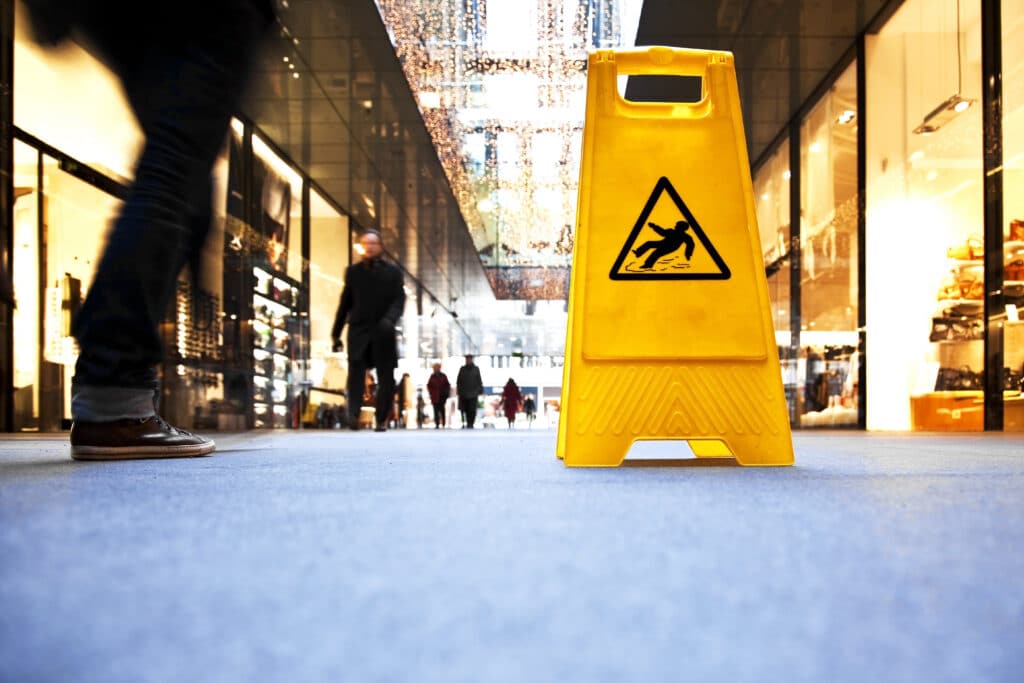
New York City parks give people a place to walk, exercise, relax, and enjoy the outdoors. But a damaged walkway, broken step, or slippery surface can turn a visit to the park into a painful accident. These hazards can cause serious injuries, including broken bones, head injuries, and back problems. If you fall and get hurt in a city park, you may wonder who is responsible. The answer could be the City of New York, a company hired to maintain the park, or another party. It depends on what caused the fall, who was responsible for the area, and whether that party failed to address a dangerous condition. Understanding these factors can help you determine whether you have grounds for a slip and fall claim.
When Can New York City Be Held Responsible?
The City of New York may be liable when a dangerous condition on property it maintains causes an injury and the city failed to take reasonable steps to address the problem.
For example, a visitor might trip over a raised section of pavement, slip on a poorly maintained path, or fall on damaged stairs. In these situations, the key question is whether the responsible party knew about the hazard, or should have discovered it, and had a reasonable opportunity to fix it.
Proving that a dangerous condition existed is not always enough. In many cases, an injured person must also show that the city had notice of the problem. That notice might come from an earlier complaint, an inspection report, or evidence that the hazard existed long enough that city workers should have discovered it.
Some claims also involve specific rules about written notice of sidewalk defects. However, those rules do not necessarily apply to every walkway, staircase, or recreational area inside a park. The exact location and type of hazard can affect how the claim is handled.
What Park Hazards Can Cause Slip and Fall Injuries?
Public parks contain many different walking surfaces and recreational areas, and each can present its own risks. Common hazards include:
- Uneven or broken paths: Cracked pavement, raised pavers, and holes can cause visitors to trip.
- Wet and slippery surfaces: Standing water, poor drainage, or slippery buildup on walkways may increase the risk of a fall.
- Damaged stairs and railings: Broken steps, loose handrails, and poor lighting can make it difficult to move safely through a park.
- Unsafe recreational areas: Damaged surfaces around playgrounds, sports courts, and other facilities may cause visitors to fall.
- Debris and maintenance problems: Loose materials, exposed equipment, or hazards left behind after repair work can create dangerous walking conditions.
Not every accident involving one of these hazards will lead to a successful claim. The important question is whether the condition was dangerous and whether the responsible party failed to take reasonable steps to prevent an injury.
Could a Maintenance Company or Contractor Be Liable?
The city may not be the only party responsible for a park injury. New York City may hire outside companies to handle repairs, landscaping, cleaning, and other maintenance work.
If a contractor creates a dangerous condition or fails to perform its work safely, it may share responsibility for an injury. For example, a company could leave a walkway uneven after completing repairs or fail to secure materials near a path used by pedestrians.
In some cases, the city and a contractor may both be responsible. Investigating who maintained the area and who performed the work can help clarify what happened. Maintenance records, repair orders, contracts, and inspection reports may provide important information.
What Evidence Can Help Prove Your Claim?
Evidence can make a significant difference in a slip and fall case, especially if someone repairs the hazard soon after the accident.
If you can do so safely, take photographs of the condition that caused your fall and the surrounding area. Try to capture the exact location, nearby landmarks, and any warning signs or barriers. If anyone witnessed the accident, ask for their contact information.
You should also seek medical attention and keep records of your treatment, expenses, and time missed from work. Reporting the accident to the appropriate authority may create an additional record of what happened.
Other evidence may help show whether the responsible party knew about the hazard. Previous complaints, inspection reports, maintenance records, and earlier photographs may reveal how long the condition existed or whether someone had already reported it.
Because some of this information may be difficult to obtain on your own, an attorney can help investigate the accident and identify records that may support your claim.
How Long Do You Have to File a Claim?
Claims involving New York City property often have shorter deadlines than people expect. In many cases, an injured person must serve a formal Notice of Claim within 90 days of the accident before pursuing a lawsuit against the city.
This notice gives the city information about the incident and the injuries involved. Additional rules govern when a lawsuit may be filed and what happens if someone misses the deadline. A court may permit a late notice in certain circumstances, but permission is not automatic.
The requirements can also differ depending on whether the claim involves the city, another public entity, or a private contractor. Identifying the correct party is therefore an important early step.
If you were injured in a New York City park, do not assume you have the same amount of time that applies to every personal injury case. Getting legal guidance promptly can help you understand which deadlines apply and avoid losing the opportunity to pursue compensation.
What Compensation Can You Recover After a Park Fall?
If another party’s negligence caused your injuries, you may be able to seek compensation for the financial and personal effects of the accident.
Depending on the circumstances, this may include medical bills, rehabilitation expenses, lost wages, reduced future earning capacity, and pain and suffering. The amount of compensation depends on the severity of your injuries, how they affect your daily life, and the evidence supporting your claim.
New York also follows comparative-fault rules. If you share some responsibility for the accident, your compensation may be reduced by your share of the fault. That does not automatically prevent you from recovering damages.
Alonso Krangle Fight for Victims After a Slip and Fall Injury
A slip and fall in a public park can leave you dealing with medical bills, time away from work, and uncertainty about what to do next. Determining who is responsible may require a closer look at the hazard, maintenance history, and rules that apply to claims against public entities. Alonso Krangle helps injured people understand their legal options and determine what steps they may be able to take. If you were hurt in a New York City park, call us at 800-403-6191 or contact us online for a free consultation and a confidential conversation about your rights.
Speak with An Attorney
Submit This Form or Call 800-403-6191