

Unmasking Grooming Tactics in Schools: Protecting Our Children
Understanding Grooming Tactics in Schools
When we send our children to school, we expect them to be in a safe and nurturing environment. Unfortunately, predators often use educational settings to exploit and groom vulnerable students. Grooming is a calculated process where an individual builds trust with a child and often their family to manipulate and abuse them. This blog will explore common grooming behaviors, how they manifest in schools, and provide actionable tips for parents and educators to intervene.
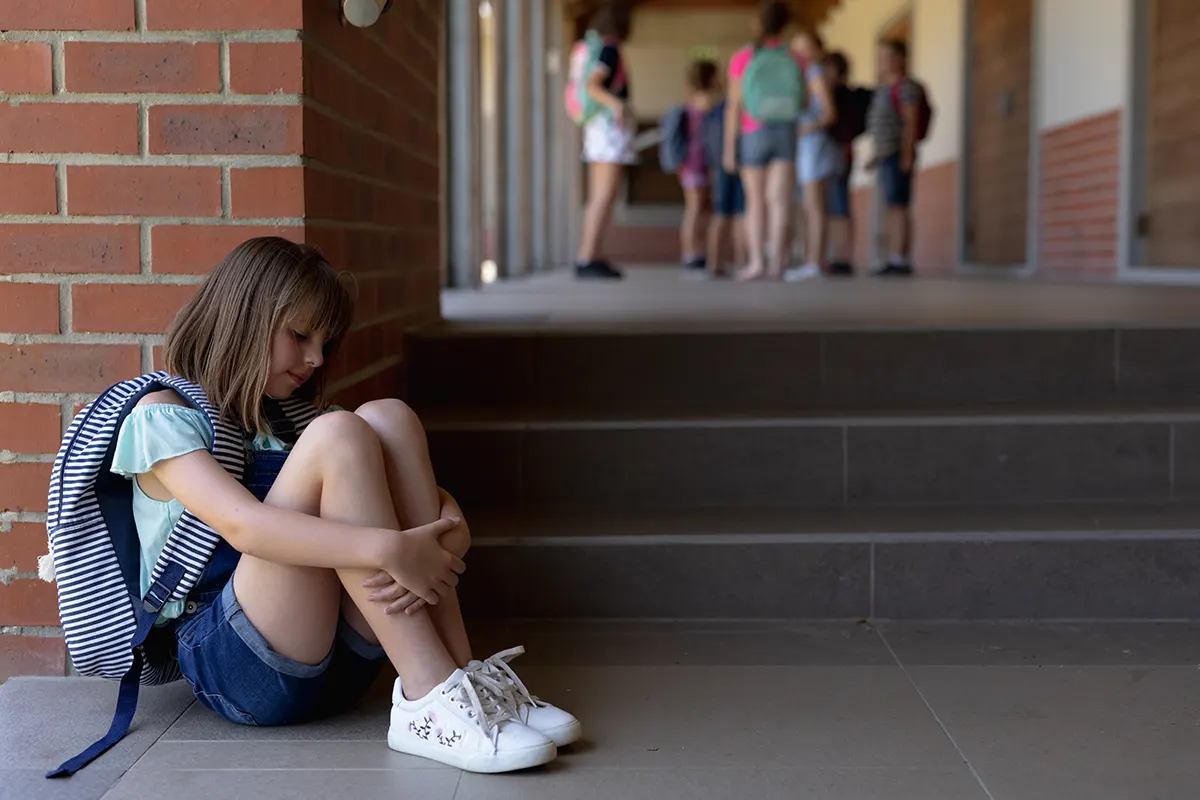
Recognizing Grooming Behaviors
Grooming behaviors are subtle and often difficult to detect. Predators may use various tactics to gain a child’s trust and manipulate them. Some common grooming behaviors include:
- Excessive attention and flattery
- Gift-giving and special favors
- Isolation from peers and family
- Gradual sexualization of the relationship
- Manipulation and guilt-tripping
These behaviors can often be mistaken for genuine kindness, making it essential to understand their true intent.
Grooming Tactics in Educational Settings
In schools, predators may use their positions of authority and trust to groom students. They might offer extra help with schoolwork, become overly involved in the student’s personal life, or arrange private meetings under the guise of mentorship. Predators can be teachers, coaches, or even older students who hold influence over younger peers.
Understanding the context in which grooming occurs is crucial. Educators and parents must remain vigilant and question behaviors that seem overly attentive or inappropriate.
Warning Signs for Parents
Parents play a critical role in identifying and preventing grooming. Some warning signs that your child might be a target include:
- Sudden changes in behavior or mood
- Increased secrecy or reluctance to share information
- Unexplained gifts or money
- Unusual interest in spending time with a particular adult
- Reluctance to attend school or specific classes
If you notice these signs, you need to have open, non-judgmental conversations with your child to understand what might be happening.
Tips for Educators to Prevent Grooming
Educators are on the front lines of preventing grooming in schools. Here are some tips to help them identify and stop grooming behaviors:
- Maintain professional boundaries with all students
- Be aware of colleagues who seem overly involved with a specific student
- Encourage open communication and provide safe spaces for students to report concerns
- Attend training sessions on recognizing and preventing abuse
- Implement and enforce school policies on appropriate conduct
By fostering a culture of vigilance and support, educators can create a safer environment for all students.
How to Intervene in Grooming Situations
Intervening in grooming situations requires a careful and strategic approach. If you suspect grooming, take these steps:
- Document any suspicious behaviors or incidents
- Report your concerns to school administrators or authorities
- Support the child by providing reassurance and a safe space to talk
- Work with professionals to ensure the child’s safety and well-being
- Educate the community about the dangers of grooming and how to prevent it
Intervention is crucial to stopping grooming and protecting the child from further harm.
Get Help: Protecting Our Children Together
At Alonso Krangle, LLP, we are dedicated to protecting the rights and safety of children. If you suspect your child or a child you know is being groomed, taking immediate action is essential. Our experienced legal team can help you navigate the complex legal process and ensure that justice is served.
Contact us today at 800-403-6191 for a confidential consultation. Together, we can safeguard our children from predators and create a safer environment in our schools.
Speak with An Attorney
Submit This Form or Call 800-403-6191