

Rikers Detainees and Sexual Abuse in Jails
Sexual Abuse Victims in Rikers Island
Rikers Island, one of New York City’s most notorious jails, is facing a crisis with increasing reports of sexual abuse and unsafe conditions for detainees. Advocates and former detainees have voiced serious concerns, urging city officials to take swift action to protect inmates from sexual abuse and neglect. The repeated failures to address this abuse not only impact the lives and well-being of detainees but also highlight broader systemic issues in New York City’s criminal justice system.
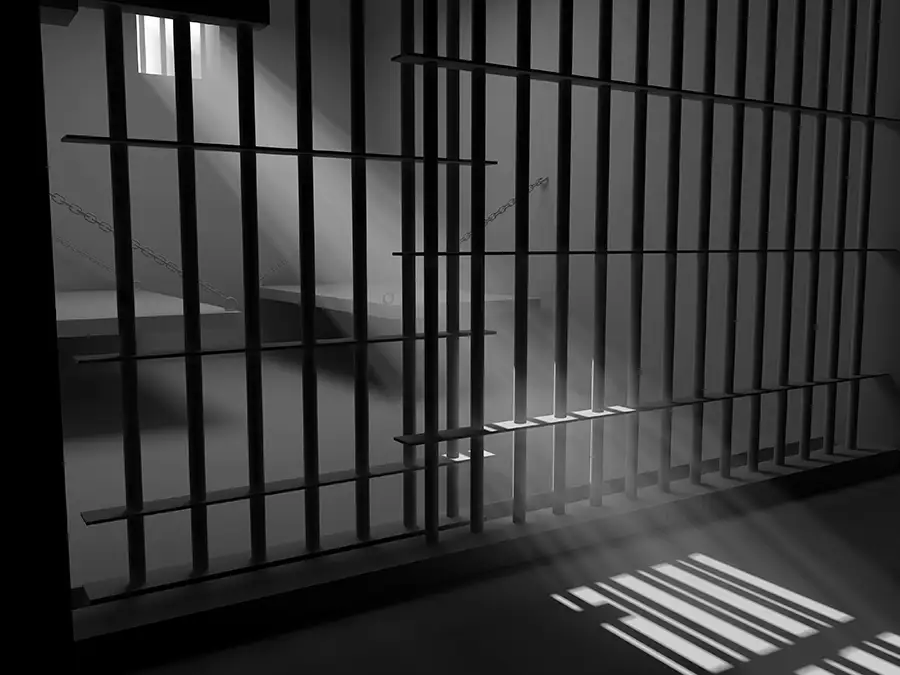
Sexual abuse in jails such as Rikers is a deeply troubling issue, often exacerbated by inadequate oversight and limited accountability among jail staff. Survivors of abuse at Rikers have described their experiences publicly, revealing a culture of violence that has been allowed to persist within the facility. This has led to an outcry for justice and reform, particularly as these abuses come to light in recent reports and lawsuits.
The public response to these reports is growing, with advocates and community organizations calling for immediate reforms. The need to address these systemic issues at Rikers has become a critical priority, not only for the safety of current detainees but also for the integrity of the criminal justice system in New York City.
Current Conditions at Rikers Island: A Dangerous Environment
Rikers Island is notorious for its overcrowded, unsanitary, and often violent environment, which makes it difficult to ensure detainee safety. These conditions contribute to a high risk of abuse, including sexual violence, especially where detainees have limited protection or avenues to report incidents. The lack of resources and poor supervision only further increase the dangers within the facility.
The overcrowding and staffing shortages make it challenging for staff to monitor all areas effectively, creating opportunities for abuse to go unnoticed or unreported. Numerous reports have shown that detainees are often left in dangerous situations, with limited support and oversight, increasing the likelihood of assault. Such conditions have been condemned by human rights organizations and have led to numerous lawsuits against the city.
Recent investigations have revealed shocking statistics about abuse rates at Rikers, shedding light on the extent of the problem. For example, in a recent report, detainees described routine abuse and retaliation when they attempted to report misconduct. These cases underline the urgent need for effective oversight and comprehensive reforms within the NYC jail system.
Factors Contributing to Sexual Abuse in NYC Jails
Several factors contribute to the prevalence of sexual abuse in NYC jails, especially at Rikers. A primary issue is the lack of adequate training and oversight for staff, leading to a culture where abuses are often ignored or mishandled. Staff members may not receive the necessary education to handle detainee interactions professionally, which can contribute to instances of misconduct.
Additionally, a longstanding culture of violence and impunity at Rikers means that those who engage in abuse frequently escape consequences. This culture is often perpetuated by inadequate reporting mechanisms and the limited protection offered to detainees who report abuse. Detainees who have been assaulted face significant risks of retaliation, which can discourage them from coming forward.
Weaknesses in administrative procedures, such as delays in investigating abuse claims, also contribute to the problem. These gaps make it easier for abuses to go unpunished and create an environment where detainee safety is consistently compromised. Addressing these issues requires a comprehensive review of policies and accountability measures to ensure detainee protection.
Legal Protections for Detainees in NYC
Detainees, despite their incarceration, have legal rights that protect them from abuse, including sexual abuse. Federal laws, such as the Prison Rape Elimination Act (PREA) , mandate that all detention facilities adhere to standards intended to prevent sexual violence and abuse. PREA requires jails to establish protocols to protect detainees, investigate abuse claims thoroughly, and hold staff accountable. Unfortunately, many detainees at Rikers report that these protections are inconsistently enforced or entirely ignored.
In addition to PREA, New York State laws affirm detainees’ rights to humane treatment and safety. The state also mandates reporting mechanisms and oversight by state agencies to monitor jail conditions. However, due to systemic shortcomings, these measures often fall short, leaving detainees vulnerable. In facilities like Rikers, lack of funding, overcrowding, and entrenched administrative issues undermine the effectiveness of these legal safeguards.
Despite these challenges, detainees and their advocates can pursue legal action when rights violations occur. By raising awareness of the rights available to detainees, advocates seek to empower those who have suffered abuse to speak up and demand accountability. The goal is to strengthen enforcement of existing protections, ensuring that jails uphold detainee safety standards.
The Role of NYC Officials and the Push for Accountability
NYC officials have a responsibility to protect detainees and address systemic abuses within city jails. Public criticism has intensified in recent years, with advocacy groups, former detainees, and families urging officials to address the troubling reports of abuse at Rikers. Despite efforts to improve conditions, accountability within the NYC jail system remains limited, prompting continued calls for reform.
City leadership, including the Department of Correction, faces scrutiny over the management of Rikers and its response to reports of abuse. Public pressure has led to some actions, such as increased monitoring, policy revisions, and staffing adjustments. However, many critics argue that these efforts lack transparency and do not go far enough to create lasting change.
Advocacy groups are pushing for concrete reforms, such as increased independent oversight and improved reporting mechanisms to make it easier for detainees to report abuse safely. Additionally, there is a growing demand for the city to implement stronger preventive measures to ensure staff accountability, fostering a safer environment within jails.
Legal Avenues for Rikers Detainees Facing Abuse
Detainees who experience abuse at Rikers have several legal options to pursue justice. Civil lawsuits, often filed under federal civil rights statutes, allow detainees to seek compensation for physical and emotional damages. These lawsuits can address violations of detainees’ rights under both federal and state laws, particularly when facilities fail to protect them from harm.
In some cases, victims of abuse can file claims under the New York State Tort Claims Act , holding the city liable for negligence or abuse occurring within Rikers. In such lawsuits, detainees may seek compensation for the harm suffered due to inadequate supervision, failure to address abuse reports, or other acts of negligence.
Advocacy organizations also play a crucial role in supporting detainees through the legal process, helping them understand their rights and file claims. Legal assistance can make a significant difference in achieving justice, particularly given the challenges detainees face in reporting abuse from within a jail setting.
Reform Efforts and Proposals for Addressing Sexual Abuse in Jails
To address the ongoing crisis, officials and advocates have proposed reforms aimed at reducing abuse in jails and enhancing detainee safety. These reforms emphasize better staff training, improved oversight, and stronger accountability for misconduct. Implementing rigorous screening and ongoing training for jail staff is crucial to preventing abuse and promoting a safer environment.
Enhanced independent oversight, such as regular audits by external agencies, can help increase transparency and accountability within Rikers. Increased funding for mental health resources and support services for detainees has also been proposed, acknowledging that detainees’ well-being is integral to reducing instances of abuse.
Reform advocates are also calling for policy changes to create safer reporting channels for detainees who experience abuse. By allowing anonymous reporting and protecting detainees from retaliation, these measures could lead to higher rates of reporting and a safer environment for detainees overall.
Cases Illustrating the Impact of Sexual Abuse in Jails
Several cases from Rikers illustrate the severe impact that sexual abuse has on detainees. In one case, a detainee faced repeated harassment and abuse, experiencing trauma that affected their mental health significantly. This individual, after securing legal representation, was able to file a lawsuit that highlighted the lack of protective measures at Rikers. Such cases underscore the urgent need for systemic change and reinforce calls for policy reform and enhanced oversight.
In another instance, a detainee suffered physical and emotional harm after experiencing abuse and retaliation for reporting it. The case was later settled, but it emphasized the critical role of legal intervention in holding jails accountable for negligence and abuse. Such settlements are intended to provide some redress to victims while increasing public awareness of abuses within the system.
These cases serve as reminders of the serious harm caused by sexual abuse in jails and the importance of pursuing justice for victims. Highlighting such stories amplifies the urgency of reform and supports efforts to establish safer conditions within NYC jails.
How NYC Jail Reform Impacts Detainee Rights and Safety
Recent jail reform efforts in NYC, though complex, are essential for improving detainee safety and ensuring basic rights. Reforms aimed at addressing staffing issues, enhancing training, and improving facility conditions could dramatically improve safety. Additionally, reforms help address some of the legal and procedural gaps that allow abuse to go unchecked.
While progress has been slow, advocates remain hopeful that ongoing reform efforts will help to make jails safer and reduce the likelihood of abuse. Improved training and clearer accountability standards will be key to achieving these goals. In the long term, these reforms may help reduce incidents of abuse and improve overall conditions in jails across New York City.
For detainees, these reform efforts can mean access to safer, more humane treatment and the ability to report abuses without fear of retaliation. Ensuring that these changes are implemented effectively will require continued public oversight and a commitment to transparency from city officials.
How Alonso Krangle, LLP Can Help Detainees Seeking Justice
If you or a loved one has experienced abuse or neglect while detained at Rikers or another NYC jail, Alonso Krangle, LLP is here to help you seek justice. Our attorneys are committed to advocating for the rights of detainees and holding jail officials accountable for negligence or abuse. With a thorough understanding of the legal complexities involved in cases of detainee abuse, our firm is ready to support you through each step of your case.
We understand the serious impact abuse can have on both physical and mental health, and our lawyers work tirelessly to secure the compensation and justice that survivors deserve. If you are ready to take the next step, contact Alonso Krangle, LLP for a consultation. Call 800-403-6191 today or complete the contact form on our website to discuss how we can assist you in seeking accountability and justice.
Sources:
Speak with An Attorney
Submit This Form or Call 800-403-6191