

Understanding Suboxone Tooth Decay Claims
Understanding Suboxone and Its Alleged Side Effects
Suboxone, a medication often prescribed for opioid addiction treatment, has been a beacon of hope for many. However, it is crucial to be aware of its potential side effects, including tooth decay. This side effect is not widely known and can significantly affect oral health.
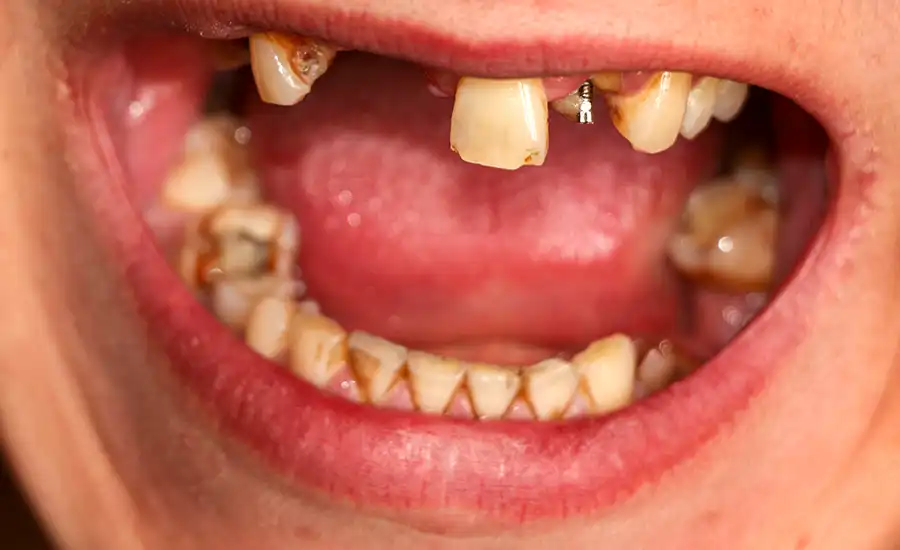
The relationship between Suboxone and tooth decay is complex. While the medication plays a vital role in addiction recovery, it may lead to dental issues. This is particularly concerning as tooth decay can lead to more severe dental problems if not addressed promptly. You, especially as a patient or a caregiver, must understand these risks and seek appropriate dental care.
The Emergence of Legal Claims
The rise in legal claims related to Suboxone tooth decay is a significant development. As an affected individual, you might find yourself contemplating the legality of your circumstances. These lawsuits typically revolve around the allegation that the drug causes dental issues, which patients were not adequately warned about.
The scientific reason behind these legal claims has been convincing so far. Reports alleged that taking Suboxone under the tongue can lead to a dry mouth. This reduction in saliva can increase the risk of tooth decay because saliva plays a crucial role in shielding teeth from acids and harmful bacteria.
Understanding the foundation of these tooth decay claims is crucial. From a legal perspective, however, the core argument lies in the alleged failure of drug manufacturers to warn about this side effect. This omission, if proven, can be a strong basis for legal action. If you have suffered from dental issues after using Suboxone, it is vital to understand how this argument applies to your situation.
Exploring Types of Damages in Suboxone Lawsuits
In Suboxone tooth decay lawsuits, understanding the types of damages you can claim is vital. These damages are categorized to cover various losses and harms suffered due to the side effects of Suboxone. In New York, these typically include:
Compensatory Damages: These are intended to cover the costs directly related to the injury, such as medical expenses for dental treatment, lost wages, and other financial losses. They are designed to restore you to the position you would have been in had the injury not occurred.
Punitive Damages: These are awarded in cases where the defendant’s actions are found to be particularly harmful. Punitive damages serve as a punishment and a deterrent, ensuring that pharmaceutical companies are held accountable for negligence or misconduct.
You need to understand these categories as they determine the nature and extent of compensation you can seek. Our attorneys can assist in identifying and quantifying these damages, guaranteeing that your claim comprehensively covers all your losses.
Legal Issues and Precedents in Prescription Drug Litigation
One of the key issues is how courts have interpreted the duty of pharmaceutical companies to warn patients of potential side effects. In several high-profile cases, courts have held companies liable for failing to provide adequate warnings. Known as the “Failure to Warn” Doctrine, this happens when the manufacturer does not properly inform the consumer about the risks associated with the product. If this lack of information leads to someone getting hurt, it is because they were not made aware of the dangers that the company knew about. These rulings are critical as they establish a legal framework within which your Suboxone tooth decay claim might be evaluated.
Contact Alonso Krangle, LLP to Discuss Your Suboxone Lawsuit
If you believe you have a Suboxone tooth decay case, it is crucial to seek legal guidance promptly. Contact Alonso Krangle, LLP to discuss your situation with our experienced attorneys. We are dedicated to providing you with the legal support you need to navigate this challenging time.
You can reach us at 800-403-6191 for a comprehensive evaluation of your case. Our team will listen to your story, offer professional advice, and outline the potential legal avenues available to you. Remember, the time to act is now, given the statute of limitations in New York.
Speak with An Attorney
Submit This Form or Call 800-403-6191