

Bedsores in Nursing Homes: Critical Warning for Long Island Families
Bedsores in Long Island Nursing Homes: A Critical Warning
Bedsores, also called pressure ulcers, are one of the clearest signs of nursing home neglect. Families in Long Island should never dismiss them as “just part of aging.”
These painful wounds form when residents are left in the same position for too long, often due to understaffing or poor care. In Nassau and Suffolk County, repeated reports of bedsores have exposed systemic neglect across facilities.
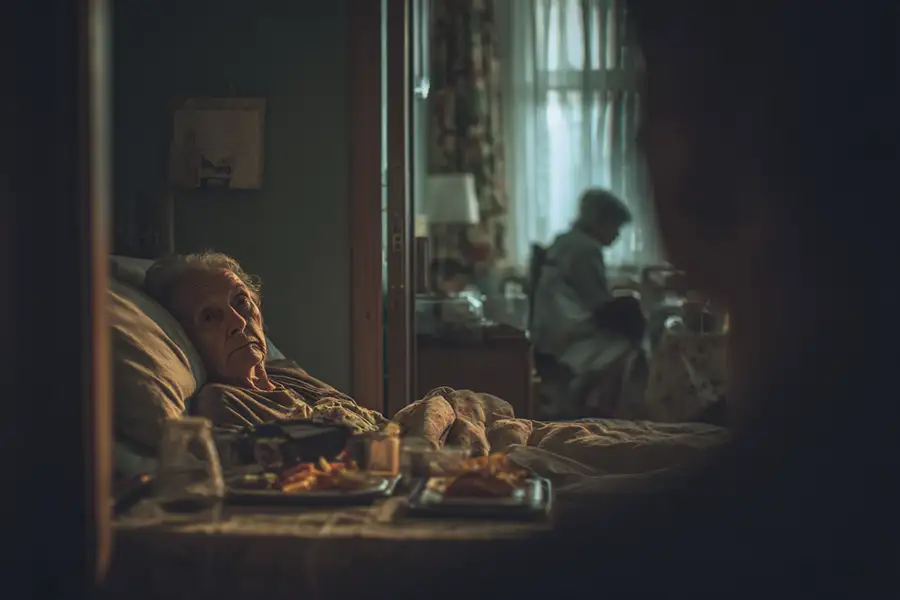
National studies confirm that bedsores are preventable with basic nursing care. When they develop, they signal not only suffering but also a breakdown in the duty of care owed to your loved one.
Why Bedsores Signal Severe Neglect in Long Island Facilities
Bedsores are not a minor problem-they are classified as “never events” by health regulators, meaning they should not occur if proper care is provided.
When they do appear, it is often because staff failed to reposition residents, provide clean bedding, or monitor nutrition and hydration. These failures reflect chronic nursing home neglect problems seen across New York.
On Long Island, families often report untreated sores that quickly escalate into infections. In some cases, untreated pressure ulcers have led to sepsis and wrongful death.
This makes it clear: bedsores are not simply wounds; they are warnings of a dangerous environment where residents’ basic needs are ignored.
Health Risks and Complications of Pressure Ulcers
Bedsores can quickly worsen if left untreated, turning into deep wounds that expose muscle and bone.
Infections, including cellulitis and sepsis, are among the most severe complications. According to the New York Attorney General’s office, multiple nursing home lawsuits have involved deaths linked to untreated bedsores (NY Attorney General).
Beyond infection, residents often suffer extreme pain, emotional trauma, and permanent disability. Families may notice sudden hospitalizations for wound care, which should raise immediate red flags.
Recognizing these risks is vital for holding negligent facilities accountable and protecting other residents from similar harm.
Understaffing and Poor Conditions Behind Bedsores
Most bedsore cases trace back to one common factor: understaffing. Without enough caregivers, residents go unmonitored for hours, sometimes days.
New York investigations reveal that some facilities deliberately cut staffing to maximize profits, leaving residents vulnerable Nassau nursing home abuse cases.
Staff shortages also mean rushed feedings, missed medication, and inadequate hygiene. These conditions create the perfect storm for preventable injuries like bedsores.
Families across Suffolk County have reported the same troubling signs: unanswered call bells, unchanged linens, and unattended residents-all linked to worsening ulcers.
Legal Rights Under New York Law
New York law gives families clear rights when neglect leads to harm. Under CPLR § 214, you generally have three years to file a personal injury lawsuit for nursing home neglect.
If the facility is municipally run, strict deadlines apply: General Municipal Law § 50-e requires a Notice of Claim within 90 days, and General Municipal Law § 50-i limits lawsuits to one year and 90 days.
Additionally, Public Health Law § 2801-d allows residents and families to sue facilities that violate residents’ rights, including the right to safe, adequate care.
These statutes ensure families can take legal action when bedsores or other neglect-related injuries occur.
What Families in Nassau and Suffolk Counties Can Do
Families must act quickly when they suspect neglect. Immediate steps include seeking medical evaluation, photographing the sores, and reporting the abuse to the New York State Department of Health.
You can also file a complaint directly with the state, which oversees all licensed nursing homes. This oversight role is critical in stopping repeat violations Suffolk nursing home neglect.
Speaking with experienced nursing home attorneys helps families understand the deadlines and damages available under New York law.
At this stage, contacting Alonso Krangle LLP at 800-403-6191 can provide immediate guidance and protect your loved one’s rights.
Compensation Available for Bedsore Injuries
Victims of bedsores caused by neglect may pursue compensation for medical bills, pain and suffering, and in some cases, wrongful death damages.
Families may also recover costs for long-term care, rehabilitation, and other expenses linked to the injury. New York law supports these claims through both statutory and common law remedies.
Compensation serves two purposes: restoring what was lost and holding facilities financially accountable for reckless neglect.
By seeking justice, families also contribute to systemic change in Long Island’s nursing home system.
Preventing Bedsores and Protecting Loved Ones
Prevention is always the strongest tool. Families should remain actively involved in their loved one’s care and watch for dangerous signs of neglect.
Warning signs include unchanged bedding, unexplained wounds, and sudden hospital transfers. These issues often indicate a deeper problem within the facility spotting abuse in seniors.
Requesting regular care updates, visiting at varied times, and reviewing state inspection reports are practical steps families can take.
Staying vigilant helps prevent neglect from escalating and ensures your loved one receives the dignity and safety they deserve.
Frequently Asked Questions About Bedsores in Nursing Homes
What are the first signs of bedsores in nursing homes?
The first signs are redness, swelling, or skin breakdown on pressure points. These areas may feel warm, hard, or unusually tender to the touch.
How quickly can untreated bedsores become life-threatening?
Untreated bedsores can become life-threatening within days if infection develops. In severe cases, sepsis and organ failure may follow rapidly.
Who is responsible for bedsores in Long Island nursing homes?
Nursing home operators are responsible for preventing bedsores through proper staffing and care. Under Public Health Law § 2801-d, families can sue when rights are violated.
When must a lawsuit for bedsores be filed in New York?
Most nursing home negligence lawsuits must be filed within three years. Cases against municipal facilities require a Notice of Claim within 90 days.
Can families in Nassau or Suffolk recover damages for bedsore injuries?
Yes, families can seek damages for medical costs, suffering, and long-term care. Courts may also award wrongful death damages if neglect caused death.
How can I report bedsore neglect in a Long Island nursing home?
You can report neglect to the New York State Department of Health. Families may also use the legal process for reporting.
What steps help prevent bedsores in vulnerable residents?
Frequent repositioning, clean bedding, and good nutrition prevent most cases. Families can help by visiting often and monitoring their loved one’s care.
Take Action if Your Loved One Suffers from Bedsores
If your loved one has developed bedsores in a Long Island nursing home, this is a serious warning sign of neglect. These wounds are painful, preventable, and often tied to systemic understaffing and profit-driven practices.
Families in Nassau and Suffolk County should not wait. Seek immediate medical care, report the neglect, and consider your legal options. Holding nursing homes accountable not only protects your family but also sends a clear message that neglect will not be tolerated.
Contact Alonso Krangle LLP today at 800-403-6191 for a free consultation. Together, we can fight for justice, protect your loved one, and demand the safe and dignified care all New Yorkers deserve.
Speak with An Attorney
Submit This Form or Call 800-403-6191