

How Weather and Road Conditions Contribute to Motorcycle Accidents
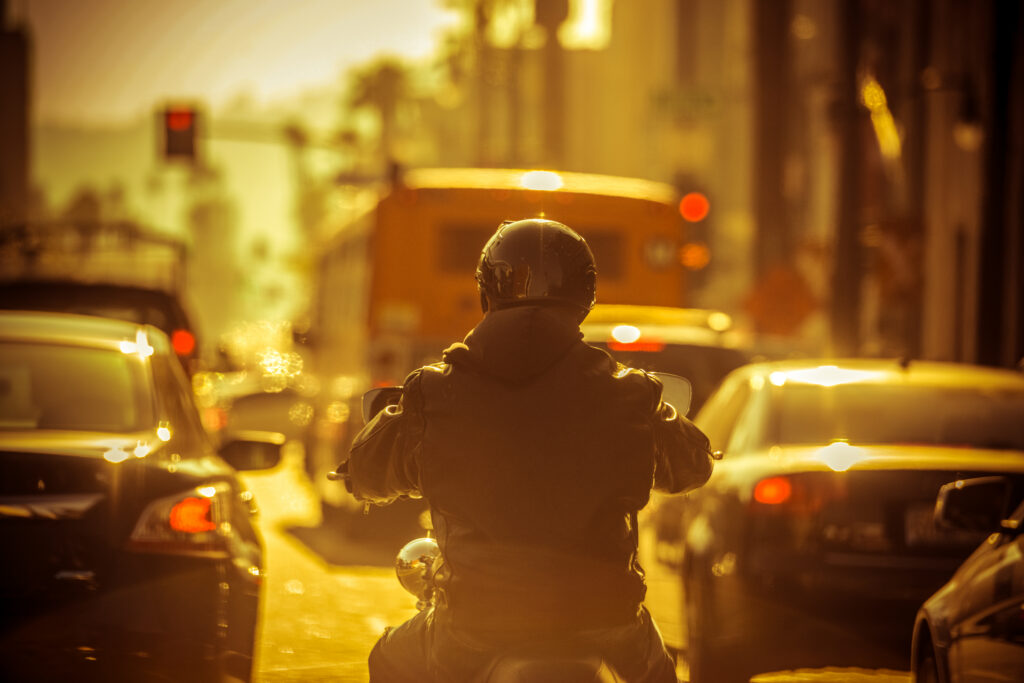
Motorcycles provide riders with a sense of freedom and connection to the road, but they also leave riders more exposed when an accident happens. Unlike passenger vehicles, motorcycles do not have the same level of protection during a crash, which means even a minor collision or unexpected hazard can result in serious injuries.
While many motorcycle accidents involve driver negligence, weather and road conditions can also play a significant role. Rain, poor visibility, potholes, debris, and unsafe roadway conditions can create dangerous situations for riders. When these hazards contribute to a crash, understanding what happened and who may be responsible can become an important part of evaluating a potential injury claim. For motorcycle riders throughout Long Island, Nassau County, Suffolk County, Queens, and New York, recognizing these risks can help improve awareness and safety while also helping injured riders understand their rights after an accident.
Why Weather Conditions Can Be Especially Dangerous for Motorcyclists
Weather conditions affect all drivers, but motorcyclists often experience a greater impact because motorcycles rely heavily on balance, traction, and visibility.
Rain is one of the most common weather-related hazards for riders. Wet pavement can reduce tire traction, increase stopping distances, and make it more difficult to maintain control. Conditions can become even more dangerous when roads have oil, debris, or uneven surfaces that become harder to navigate when wet. Other weather factors that may increase motorcycle accident risks include:
- Heavy rain
- Strong winds
- Fog or reduced visibility
- Ice or freezing conditions
- Extreme heat affecting road surfaces
Even experienced riders can face unexpected challenges when weather conditions change quickly.
How Road Hazards Can Lead to Motorcycle Crashes
Motorcycles are more affected by roadway hazards than larger vehicles. A pothole, uneven pavement, or object in the road may seem minor to a car or truck driver but can create a serious danger for a motorcyclist. Common road hazards that may contribute to motorcycle accidents include:
- Potholes and damaged pavement
- Loose gravel or debris
- Construction areas
- Poorly maintained roads
- Slick surfaces
- Uneven lane surfaces
When a rider encounters a hazard unexpectedly, there may be little time to react safely. A sudden maneuver to avoid an obstacle can also lead to a loss of control or collision.
Other Drivers and Unsafe Road Conditions
While weather and roadway hazards can contribute to accidents, another driver’s actions are often part of the problem. Motorcycles are smaller than passenger vehicles, which can make them more difficult for some drivers to notice. Dangerous situations may occur when drivers:
- Fail to check blind spots
- Follow motorcycles too closely
- Make unsafe lane changes
- Misjudge a motorcycle’s speed or distance
- Fail to yield the right of way
When a driver’s negligence combines with poor road or weather conditions, determining responsibility may require a closer look at the full circumstances of the crash.
Injuries Commonly Caused by Motorcycle Accidents
Because riders have limited protection, motorcycle accidents can result in severe injuries. Even when a rider wears appropriate safety equipment, the force of a crash can cause significant harm. Common motorcycle accident injuries include:
- Broken bones
- Road rash and severe skin injuries
- Spinal cord injuries
- Traumatic brain injuries
- Internal injuries
- Permanent scarring or disfigurement
Some injuries may require extensive medical care, rehabilitation, or long-term treatment.
Proving Liability After a Weather-Related Motorcycle Accident
One of the challenges after a motorcycle accident is determining whether the crash was caused by the rider, another driver, a property owner, or unsafe roadway conditions. Evidence may help establish what happened, including:
- Accident scene photographs
- Weather reports
- Witness statements
- Police reports
- Medical records
- Motorcycle damage documentation
In some situations, responsibility may involve more than one factor. For example, a driver’s unsafe actions combined with poor visibility or hazardous road conditions may have contributed to the collision.
What Riders Should Do After a Motorcycle Accident
After a motorcycle accident, seeking medical attention should be the first priority. Some injuries may not be immediately noticeable, and early treatment can help document the effects of the crash. If possible, riders should also preserve evidence from the accident scene, keep records of medical care, and avoid making assumptions about fault before the circumstances have been fully reviewed.
Alonso Krangle Fight for Victims of Motorcycle Accidents
Motorcycle accidents involving dangerous weather or road conditions can leave riders facing serious injuries, financial stress, and uncertainty about what happens next. Understanding the factors that contributed to a crash can be an important step toward protecting your rights. Alonso Krangle helps injury victims throughout Long Island, Nassau County, Suffolk County, Queens, and New York pursue compensation after serious motorcycle accidents. If you or a loved one was injured in a motorcycle crash, call us at 800-403-6191 or contact us online for a free consultation and a confidential conversation about your rights.
Speak with An Attorney
Submit This Form or Call 800-403-6191