

Ozempic and GLP-1 Vision Loss Lawsuit
Ozempic and GLP-1 Vision Loss Lawsuit
Medications such as Ozempic and Wegovy have become widely prescribed for managing type 2 diabetes and chronic weight management. However, growing concerns about a potential connection between these medications and a serious eye condition called Non-Arteritic Anterior Ischemic Optic Neuropathy (NAION) have raised important questions about drug safety.
NAION occurs when blood flow to the optic nerve is reduced, potentially resulting in sudden, painless vision loss. In some cases, the damage can be permanent.
On November 9, 2026, the U.S. Food and Drug Administration (FDA) announced that manufacturers of GLP-1 receptor agonist medications must update their product labeling to address the potential increased risk of NAION. The announcement followed an evaluation of clinical trial data, observational research, and postmarketing safety reports.
Patients who experienced NAION after taking Ozempic or another GLP-1 medication may have questions about whether the drug contributed to their injury and whether they have legal options.
Alonso Krangle, LLP is investigating potential claims involving serious vision injuries associated with GLP-1 medications. If you developed NAION or experienced significant vision loss after taking one of these medications, you may want to have your circumstances reviewed by an attorney.
What Are GLP-1 Medications?
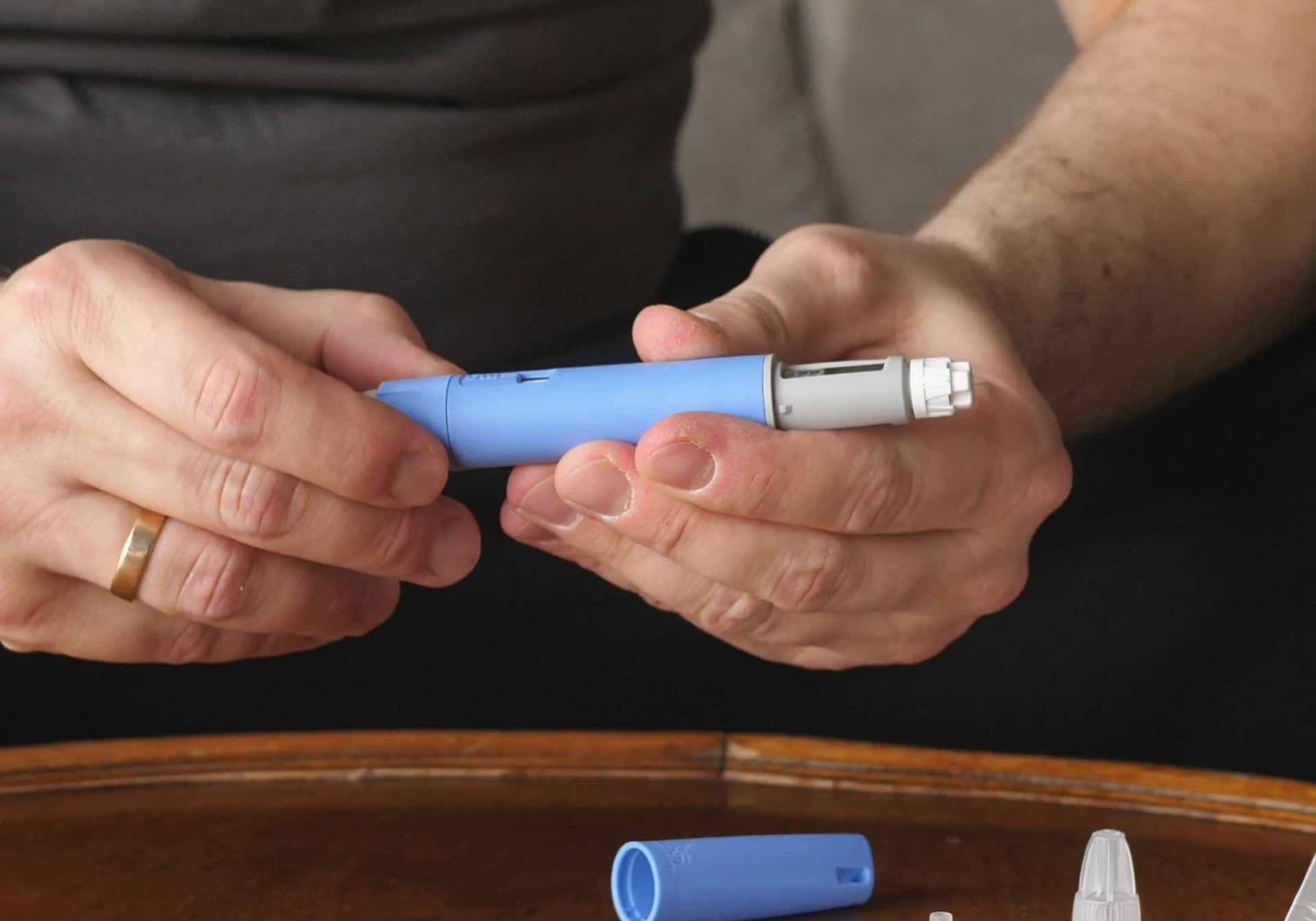
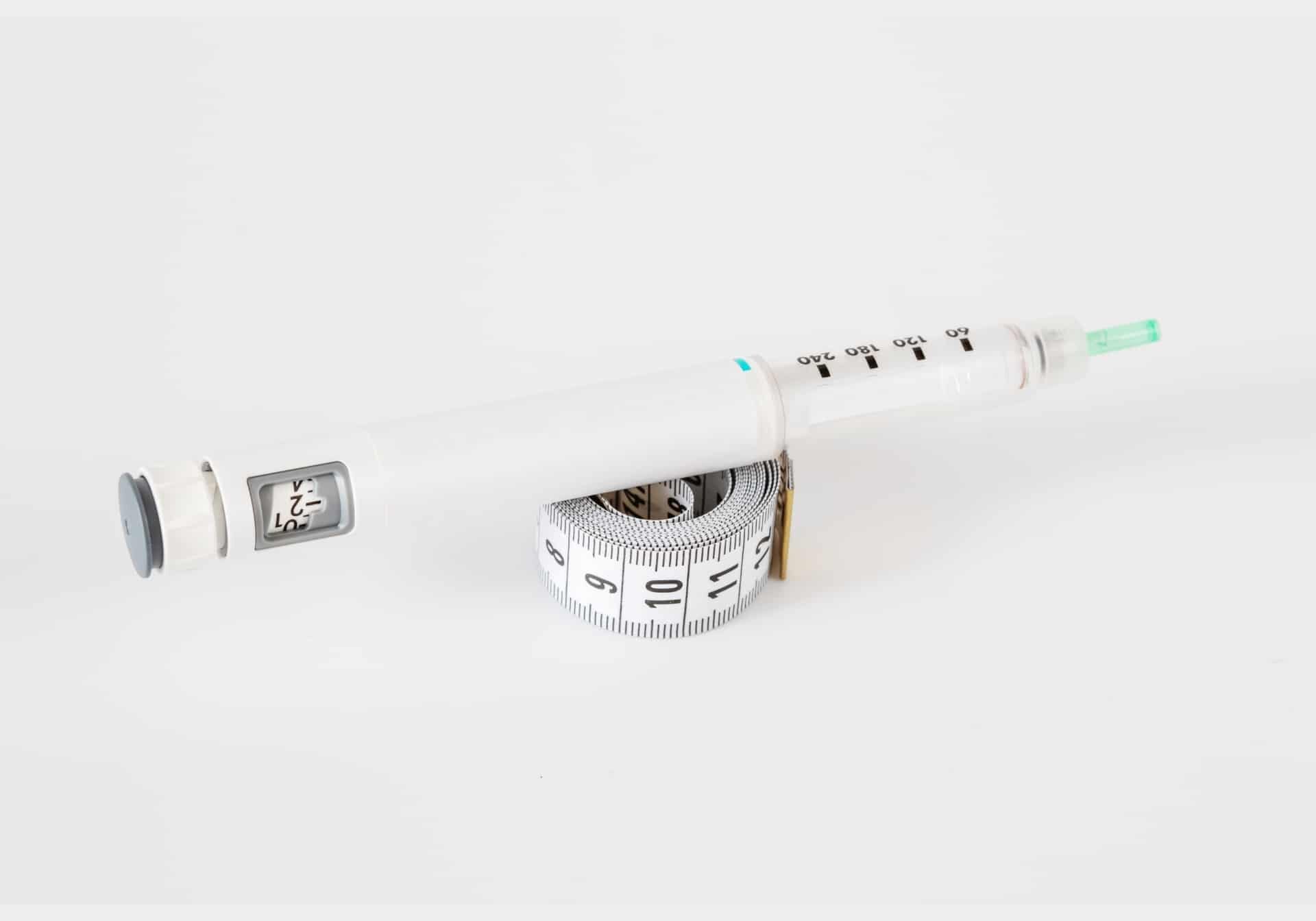
Glucagon-like peptide-1 receptor agonists, commonly called GLP-1 medications, are prescription drugs that mimic the activity of a naturally occurring hormone involved in blood sugar regulation and appetite control.
These medications are prescribed for conditions including type 2 diabetes and obesity. Some have also received FDA approval for additional cardiovascular, kidney, and other health-related indications.
Popular medications in this category include:
- Ozempic (semaglutide): Approved to help manage blood sugar levels in adults with type 2 diabetes and reduce certain cardiovascular risks.
- Wegovy (semaglutide): Approved for chronic weight management and certain additional cardiovascular and metabolic indications.
- Rybelsus (semaglutide): An oral medication used to manage blood sugar in adults with type 2 diabetes.
- Mounjaro (tirzepatide): A medication that acts on both GIP and GLP-1 receptors and is prescribed for type 2 diabetes.
- Zepbound (tirzepatide): Approved for chronic weight management and certain other indications.
- Trulicity (dulaglutide): A GLP-1 medication used to manage type 2 diabetes and reduce certain cardiovascular risks.
- Saxenda (liraglutide): A medication approved for chronic weight management.
These medications have different active ingredients, indications, and prescribing information. However, concerns about NAION have led regulators to examine the potential risks associated with the broader group of GLP-1-based therapies.
What Is NAION?
Non-Arteritic Anterior Ischemic Optic Neuropathy (NAION) is a condition that develops when blood flow to the front portion of the optic nerve becomes insufficient.
The optic nerve carries visual information from the eye to the brain. When its blood supply is interrupted, the resulting damage can interfere with a person's ability to see clearly.
NAION is sometimes referred to as an eye stroke because of the sudden loss of blood flow involved. Unlike some other eye conditions, NAION typically develops without pain and may be noticed when a person first wakes up.
The condition generally affects one eye, although some patients may eventually experience damage to the other eye.
Depending on the severity of the injury, patients may experience:
- Sudden or significant vision loss.
- Permanent blind spots or missing portions of their visual field.
- Reduced central vision.
- Difficulty recognizing faces or reading.
- Problems with depth perception.
- Difficulty driving, working, or performing everyday activities.
There is currently no established treatment that reliably reverses the optic nerve damage caused by NAION. The degree of vision impairment and long-term outlook can vary between patients.
Symptoms and Warning Signs of NAION
One of the most concerning characteristics of NAION is that vision loss can occur suddenly, sometimes without obvious warning.
Patients may first notice a change in their vision upon waking in the morning. Because the condition is generally painless, some people may initially underestimate the seriousness of their symptoms.
Potential symptoms include:
- Sudden, painless vision loss in one eye.
- Blurred or cloudy vision.
- Dark areas or blind spots in the visual field.
- Loss of peripheral vision.
- Changes in color perception.
- Difficulty focusing or seeing objects clearly.
- A noticeable reduction in visual sharpness.
These symptoms require prompt medical attention. Sudden vision loss can have several possible causes, some of which require emergency treatment. Anyone experiencing sudden or rapidly worsening vision should seek immediate medical evaluation, preferably by an ophthalmologist.
NAION is also associated with certain underlying health conditions and risk factors, including diabetes, high blood pressure, sleep apnea, smoking, anemia, and kidney disease.
Having one or more of these risk factors does not establish that a medication caused NAION. A medical evaluation is necessary to determine the diagnosis and investigate potential contributing factors.
Can Ozempic and Other GLP-1 Medications Cause Vision Loss?
Research has raised concerns about a possible relationship between semaglutide-based medications and NAION.
One of the early studies that brought attention to this issue was published in JAMA Ophthalmology in July 2024. Researchers examined patients prescribed semaglutide and reported an association between the medication and an increased risk of NAION.
Subsequent research has continued to investigate whether this association exists and whether it extends to other GLP-1 medications.
In 2025, the European Medicines Agency's Pharmacovigilance Risk Assessment Committee concluded that NAION should be recognized as a very rare side effect of semaglutide-containing medications, including Ozempic, Wegovy, and Rybelsus.
In 2026, a joint clinical statement from the American Academy of Ophthalmology and the North American Neuro-Ophthalmology Society reviewed the available research. The organizations acknowledged a possible association between semaglutide and NAION but emphasized that the evidence remains subject to limitations and that a causal relationship has not been established.
The findings have prompted further scrutiny of how these medications are tested, labeled, and prescribed.
Patients who experienced vision loss after taking a GLP-1 medication may reasonably have questions about whether the medication played a role in their injury.
However, determining whether a particular drug contributed to an individual patient's NAION diagnosis requires an examination of medical records, medication history, underlying health conditions, and other relevant evidence.
FDA Issues New Warning About GLP-1 Medications and NAION
On November 9, 2026, the FDA announced that manufacturers of GLP-1 receptor agonist medications must add information about the potential increased risk of NAION to the Warnings and Precautions section of their prescribing information.
The announcement followed a comprehensive evaluation of available safety information, including clinical trials, observational studies, animal data, and reports of adverse events.
Among the findings, the FDA analyzed 126 randomized controlled trials involving more than 134,000 patients.
The analysis identified an incidence rate of approximately 6.4 probable NAION events per 100,000 person-years among patients receiving GLP-1 medications, compared with 3.8 events per 100,000 person-years among comparator patients.
The FDA also examined real-world data and published observational research. Some comparisons showed an increased risk, while others did not demonstrate a statistically significant difference.
Based on the overall evidence, the agency determined that a potential increased risk warranted additional safety information across GLP-1 medication labeling.
This development is significant because it represents a formal regulatory response to concerns that have been investigated by researchers and medical professionals over several years.
However, the FDA's announcement does not establish that every GLP-1 medication causes NAION or that every patient who develops the condition has a valid legal claim.
Patients taking these medications should not independently discontinue treatment because of the announcement. Anyone experiencing sudden vision changes should seek prompt medical attention and discuss medication decisions with their healthcare provider.
For additional information, see our related article: FDA Update on GLP-1 Drugs and NAION.
Which GLP-1 Medications Are Involved in Vision Loss Litigation?
Legal claims involving NAION have raised questions about several prescription medications used to treat diabetes and manage weight.
The federal NAION litigation identifies products manufactured by Novo Nordisk and Eli Lilly, including Ozempic, Wegovy, Saxenda, and Trulicity.
The FDA's November 2026 safety communication addresses a broader range of GLP-1 receptor agonist medications, including:
- Ozempic
- Wegovy
- Rybelsus
- Mounjaro
- Zepbound
- Trulicity
- Saxenda
- Victoza
- Byetta and generic exenatide products
- Other FDA-approved GLP-1-based medications
The scope of the FDA safety communication and the scope of the existing federal litigation are not necessarily identical.
A medication's inclusion in the FDA warning does not automatically mean that claims involving that medication are included in MDL 3163. The specific drug, manufacturer, injury allegations, and applicable legal requirements must be evaluated separately.
Ozempic and GLP-1 Vision Loss Lawsuits

Patients who developed NAION after using GLP-1 medications have filed product liability lawsuits alleging that pharmaceutical manufacturers failed to adequately disclose the potential risks associated with their products.
The allegations raise questions about whether manufacturers properly evaluated emerging safety information, communicated potential risks to prescribing physicians, and updated medication warnings when additional evidence became available.
In December 2025, the Judicial Panel on Multidistrict Litigation centralized qualifying federal cases involving NAION and GLP-1 medications in the Eastern District of Pennsylvania.
The litigation is known as:
In re: Glucagon-Like Peptide-1 Receptor Agonists (GLP-1 RAs) Non-Arteritic Anterior Ischemic Optic Neuropathy Products Liability Litigation, MDL No. 3163.
Multidistrict litigation, commonly referred to as an MDL, allows federal lawsuits involving common factual questions to be coordinated before one judge for pretrial proceedings.
The centralized litigation involves allegations concerning the development, testing, marketing, labeling, and safety of the medications, including claims involving failure to warn, defective design, and breach of warranties.
An MDL is not the same as a class action. Individual plaintiffs generally retain their own claims, and the circumstances and damages associated with each injury must be evaluated separately.
The existence of this litigation does not establish that the manufacturers are liable. The allegations remain subject to the judicial process.
Who May Qualify for an Ozempic or GLP-1 Vision Loss Lawsuit?
Not everyone who takes Ozempic or another GLP-1 medication and experiences vision problems will necessarily qualify for a product liability claim.
However, individuals who developed a documented NAION injury after using one of these medications may want to have their circumstances reviewed.
Factors that may be relevant to a potential claim include:
- You were prescribed and used Ozempic, Wegovy, Rybelsus, or another GLP-1 medication.
- You received a medical diagnosis of NAION.
- You experienced sudden or permanent vision impairment.
- Your symptoms developed during or following the use of the medication.
- You required medical treatment, specialist evaluations, or ongoing care.
- You have medical records documenting your medication history and vision-related complications.
The timing of medication use and the onset of symptoms can be important when evaluating a potential claim.
Other medical conditions may also be relevant. For example, diabetes, high blood pressure, and sleep apnea are independently associated with NAION. These factors do not automatically establish or eliminate a potential product liability claim, but they may need to be considered when evaluating causation.
There is no single eligibility checklist that determines whether every patient has a valid claim. An attorney can review the available information and determine whether further investigation is appropriate.
What Compensation May Be Available in a GLP-1 Vision Loss Lawsuit?
When a defective or inadequately labeled prescription medication causes an injury, eligible individuals may be able to pursue compensation for certain financial and personal losses.
Depending on the circumstances and applicable law, potential damages may include:
Medical Expenses
Patients may face substantial medical expenses associated with ophthalmology appointments, diagnostic testing, specialist evaluations, rehabilitation, and ongoing treatment.
Lost Wages and Reduced Earning Capacity
Vision impairment can interfere with a person's ability to work, particularly in occupations that require driving, reading, operating machinery, or performing visually demanding tasks.
Some individuals may be unable to return to their previous employment or may require changes to their work responsibilities.
Pain and Suffering
Although NAION is typically painless, the consequences of permanent vision loss can affect a person's independence, emotional well-being, and overall quality of life.
Loss of Enjoyment of Life
Visual impairment can make everyday activities more difficult, including driving, reading, participating in hobbies, and spending time with family.
Future Medical and Support Expenses
Some patients may require ongoing medical monitoring, visual rehabilitation, assistive technology, or other accommodations.
The amount of any potential recovery depends on the severity of the injury, the available evidence, the financial and personal consequences, and the applicable law. Compensation is not guaranteed.
What Should You Do If You Developed NAION After Taking a GLP-1 Medication?
If you experienced sudden vision loss or received a NAION diagnosis after using Ozempic or another GLP-1 medication, taking certain steps may help protect your health and preserve information relevant to a potential legal claim.
1. Seek Immediate Medical Attention
Sudden vision loss requires prompt evaluation by an ophthalmologist or other appropriate medical professional. Do not delay medical care while investigating a potential lawsuit.
2. Discuss Your Medication With Your Healthcare Provider
Tell your prescribing physician and eye specialist about all medications you have taken, including when you started treatment and when your vision symptoms developed.
Do not stop or change prescribed medication without discussing the decision with your healthcare provider.
3. Obtain Your Medical Records
Preserve copies of your NAION diagnosis, ophthalmology evaluations, imaging results, treatment records, and any documentation concerning permanent vision impairment.
4. Preserve Prescription and Pharmacy Information
Keep prescription records, pharmacy receipts, medication packaging, and other documentation identifying the drug, dosage, and duration of use.
5. Document the Impact of Your Injury
Maintain records of medical expenses, missed work, changes in employment, and activities that have become difficult because of your vision impairment.
6. Consider Speaking With a Product Liability Attorney
An attorney experienced in pharmaceutical litigation can review your circumstances, explain potential legal options, and help determine whether additional investigation is warranted.
Frequently Asked Questions About Ozempic and GLP-1 Vision Loss Lawsuits
Research has identified a possible association between semaglutide and NAION, a condition that can cause sudden and potentially permanent vision loss. The FDA announced new safety labeling requirements on November 9, 2026, addressing the potential increased risk. However, a causal relationship in an individual case must be evaluated using medical and other relevant evidence.
Speak With Alonso Krangle About a Potential GLP-1 Vision Loss Claim
Losing vision can change nearly every aspect of a person's daily life. When a serious injury develops after taking a prescription medication, patients deserve the opportunity to understand what happened and whether the manufacturer may be legally responsible.
Alonso Krangle, LLP represents individuals who have suffered injuries involving dangerous pharmaceutical products, defective medical devices, and other forms of product liability.
If you were diagnosed with NAION or experienced significant vision loss after taking Ozempic or another GLP-1 medication, our attorneys can review the circumstances of your potential claim and discuss possible next steps.
You do not have to determine whether you have a viable case on your own.
Contact Alonso Krangle, LLP to request a free, confidential case review.
Call 800-403-6191 or submit a request through our website.
Speak with An Attorney
Submit This Form or Call 800-403-6191