

Medical Negligence in Long Island Nursing Homes
Medical Negligence in Long Island Nursing Homes
Medical negligence in Long Island nursing homes is a growing concern for residents and their families. This type of negligence can result in devastating outcomes, including physical harm , emotional trauma, and even wrongful death. Nursing home residents are among the most vulnerable populations, making it critical to ensure their rights and safety are protected. Unfortunately, some facilities fail to provide the adequate care and attention that residents need and deserve.
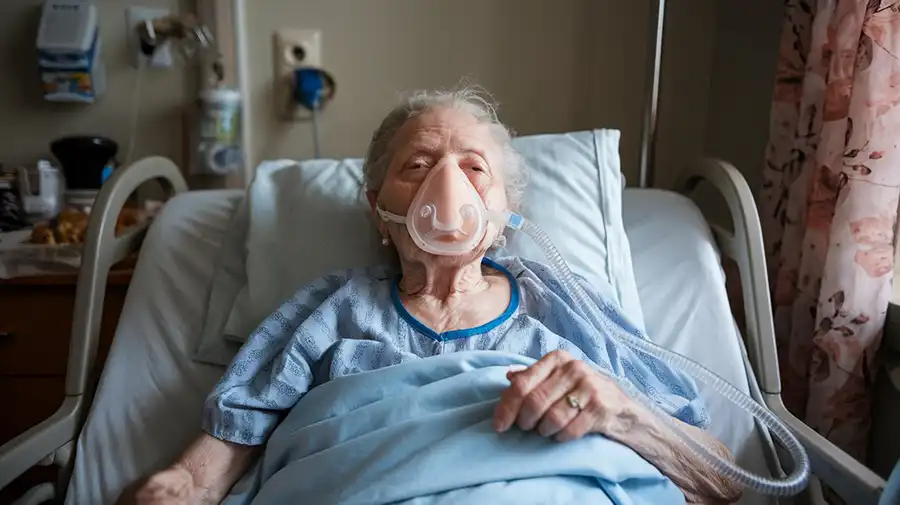
In many cases, negligence arises from systemic issues such as understaffing, lack of proper training, and poor oversight by facility administrators. Families who suspect that a loved one has suffered due to medical negligence should act swiftly to address the issue and hold the responsible parties accountable.
What Constitutes Medical Negligence in Nursing Homes?
Medical negligence occurs when a healthcare provider or caregiver fails to deliver the standard of care expected in a medical setting, resulting in harm to the patient. In nursing homes, this can take many forms, including improper medication administration, failure to monitor health conditions, or ignoring residents’ medical needs. For example, a diabetic resident might suffer severe complications if staff fail to regularly monitor their glucose levels or administer insulin as prescribed.
One common example involves untreated infections, which can lead to serious conditions such as sepsis. Neglected bedsores, also known as pressure ulcers , are another clear indicator of negligence. When staff fail to reposition immobile residents, these painful sores can develop, causing immense suffering and increasing the risk of life-threatening infections.
Common Signs of Negligence in Long Island Nursing Homes
Families must remain vigilant for signs of negligence when visiting loved ones in nursing homes. Key indicators include sudden weight loss, poor hygiene, untreated wounds, or a noticeable decline in overall health. Behavioral changes, such as increased anxiety or withdrawal, may also point to emotional or psychological neglect.
Additional red flags include unsanitary living conditions, unanswered call bells, and signs of overworked or inattentive staff. For instance, if a resident repeatedly suffers falls or medication errors, these are strong signals that the facility may be failing in its duty of care. Documenting these signs can be crucial when pursuing legal action or filing complaints with state agencies.
Long-Term Impacts of Medical Negligence on Nursing Home Residents
The consequences of medical negligence in nursing homes can be devastating, with long-term impacts on residents’ physical and emotional well-being. Physically, neglect can exacerbate pre-existing conditions or create entirely new health issues. For example, untreated infections may lead to sepsis, a potentially fatal condition, or cause permanent damage to the affected area. Similarly, improper medication administration can result in overdose, withdrawal symptoms, or complications from untreated medical conditions.
Emotionally, negligence can lead to feelings of abandonment, depression, and anxiety among residents. Elderly individuals who experience neglect often lose trust in caregivers and feel helpless about their situation. This psychological toll can diminish their quality of life and lead to a decline in their overall health. In some cases, the trauma of neglect can affect a resident’s ability to engage with others, further isolating them from social interaction and emotional support.
Key Causes of Negligence in Long Island Nursing Homes
Several systemic factors contribute to medical negligence in Long Island nursing homes, including:
- Understaffing: Many facilities operate with insufficient staff-to-resident ratios, leaving caregivers unable to meet the needs of all residents. Overworked staff are more likely to make errors or overlook essential care tasks.
- Lack of Training: Inadequate training can result in staff who are unprepared to handle medical emergencies or manage residents with complex health conditions, such as dementia or diabetes.
- Poor Oversight: Weak administrative oversight allows negligent practices to persist without accountability. Facilities that prioritize profits over care may cut corners on staffing and training to save money.
- Communication Breakdowns: Miscommunication between staff members or between caregivers and families can result in unmet medical needs or harmful errors, such as administering the wrong medication.
Addressing these root causes is essential for improving the standard of care in nursing homes and preventing future incidents of negligence.
Steps Families Can Take to Protect Loved Ones
If you suspect medical negligence in a Long Island nursing home, taking immediate action is critical to ensure your loved one’s safety and well-being. Here are essential steps to consider:
- Document Evidence: Keep detailed records of any concerning signs or incidents, such as photographs of injuries, dates and times of neglect, and communications with facility staff.
- Report the Issue: File a formal complaint with the New York State Department of Health or Adult Protective Services. These agencies can investigate and enforce corrective measures.
- Seek Medical Attention: Ensure your loved one receives prompt medical care to address any injuries or health complications caused by neglect.
- Consult with Our Firm: Speaking with our attorneys can help you understand your legal options and pursue justice for your loved one. We can guide you through the process of holding negligent facilities accountable.
By acting swiftly, families can help mitigate the harm caused by negligence and ensure their loved ones receive the care they deserve.
No matter if the issue is nursing home abuse in Suffolk County , nursing home abuse in Nassau County , or another part of New York or New Jersey, we are ready to fight on your behalf. Our Long Island nursing home abuse lawyers serve communities throughout the region.
New York Laws Protecting Nursing Home Residents
New York has specific laws and regulations designed to protect nursing home residents from neglect and abuse. Under state law, facilities must provide a standard of care that ensures the health, safety, and dignity of residents. This includes sufficient staffing levels, proper medical care , and maintaining a safe and sanitary environment.
The New York Elder Law and Public Health Law also outline rights for nursing home residents, such as the right to be free from abuse and the right to participate in decisions about their care. Facilities that fail to meet these obligations can face legal consequences, including fines, license revocation, and civil liability for damages caused by negligence.
Families should also be aware of the statute of limitations for filing lawsuits related to nursing home negligence in New York. In most cases, you must initiate legal action within three years of the incident, but this timeline can vary depending on specific circumstances.
Recent Examples of Negligence in Long Island Facilities
Numerous cases in New York highlight the dangers of medical negligence in nursing homes. For instance, reports from the Attorney General’s office have revealed instances where residents suffered severe bedsores due to improper repositioning, while others experienced malnutrition from missed meals. In one example, a resident’s call bell went unanswered for hours, leading to a preventable fall and a subsequent hip fracture.
These tragic incidents underscore the urgent need for vigilance and accountability in nursing home care. Facilities that fail to prioritize resident safety and well-being must face legal consequences to deter future negligence.
How Our Lawyers Can Help
At Alonso Krangle, LLP, we are dedicated to helping families affected by nursing home negligence in Long Island. Our attorneys have the experience and resources to investigate claims, gather evidence, and pursue justice on behalf of victims. Whether your loved one has suffered from physical harm, emotional trauma, or financial exploitation , we are here to advocate for their rights and secure the compensation they deserve.
We understand the emotional toll these cases can take on families, which is why we provide compassionate guidance every step of the way. From filing complaints with state agencies to representing you in court, we are committed to holding negligent facilities accountable and ensuring your loved one receives the care they are entitled to.
Contact Us for Support if a Loved One Has Suffered Medical Negligence in a Nursing Home
If you believe your loved one has been a victim of medical negligence in a Long Island nursing home, don’t wait to take action. Contact Alonso Krangle, LLP today at 800-403-6191 for a free consultation. Our attorneys can assess your case, explain your legal options, and help you navigate the process of seeking justice. Call us or fill out our online form to get started. Together, we can protect the rights of nursing home residents and hold negligent facilities accountable.
Speak with An Attorney
Submit This Form or Call 800-403-6191