

Nursing Home Abuse in Nassau County
Nursing Home Abuse in Nassau County
Nursing homes in Nassau County are trusted to provide a safe and supportive environment for some of our most vulnerable family members. However, nursing home abuse remains a troubling issue that affects residents and their families. Recognizing the signs of nursing home abuse in Nassau County and understanding your legal options can protect your loved ones and hold negligent facilities accountable.
Abuse in nursing homes can take many forms, from physical harm to emotional mistreatment and financial exploitation. Unfortunately, many victims are unable to report their suffering due to cognitive impairments, fear of retaliation, or lack of family involvement. Families must stay vigilant and act swiftly if they suspect abuse.
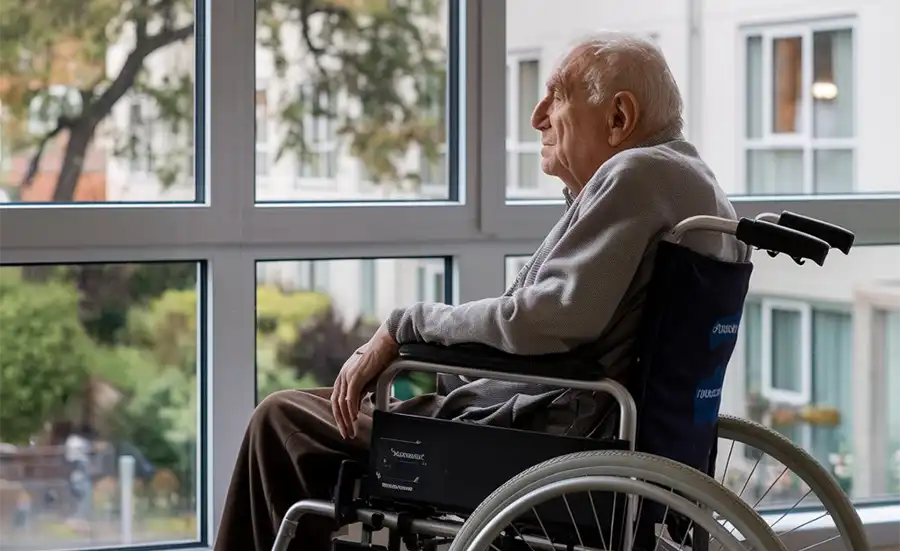
This guide will cover the signs of abuse, common injuries, risk factors, and the steps families can take to seek justice and ensure their loved ones receive the care they deserve.
Types of Nursing Home Abuse
Understanding the different forms of nursing home abuse is essential for identifying mistreatment and taking corrective action. Abuse may be intentional or stem from neglect, but both are harmful to residents.
Physical Abuse: This includes hitting, slapping, or the improper use of restraints. Physical abuse often results in visible injuries, such as bruises or fractures.
Emotional Abuse: Verbal assaults, threats, or isolating residents from social activities can cause deep psychological harm. Victims may show signs of anxiety, depression, or withdrawal.
Sexual Abuse: Elderly residents, particularly those with cognitive impairments, are at risk of sexual abuse by staff or other residents. Indicators include unexplained injuries, behavioral changes, or reluctance to be touched.
Financial Exploitation: Staff or others may take advantage of residents by stealing personal property, forging signatures, or coercing financial transactions.
Neglect: Failure to provide adequate food, hygiene, or medical care can lead to severe physical and emotional consequences for residents.
Each form of abuse has specific warning signs and consequences. Families should monitor their loved ones closely and report any suspicious behavior or injuries.
Common Injuries from Nursing Home Abuse
Nursing home abuse can lead to severe and sometimes life-threatening injuries. Being aware of these injuries can help families identify and address potential abuse sooner.
Bedsores and Pressure Ulcers: These injuries result from prolonged immobility and inadequate care. Advanced cases can cause infections and sepsis.
Falls and Fractures: Poor supervision, unsafe facilities, or neglect can lead to preventable falls, often resulting in broken bones or head injuries.
Dehydration and Malnutrition: Neglecting basic needs like food and water can cause serious health issues, weakening the immune system and exacerbating existing conditions.
Medication Errors: Overmedication, underdosing, or incorrect administration of medications can endanger residents’ health, especially those with chronic conditions.
For example, a Nassau County resident who repeatedly falls due to inadequate supervision may suffer fractures and emotional trauma, raising serious concerns about the quality of care. Identifying these injuries early can prevent further harm.
Risk Factors Contributing to Nursing Home Abuse
Understanding the risk factors associated with nursing home abuse can help families make informed decisions about choosing a facility and staying vigilant once a loved one is placed in care. Some factors are systemic, while others are related to individual caregivers or residents.
Understaffing: Many facilities operate with insufficient staff, leaving caregivers overburdened and more likely to make mistakes or engage in neglectful or abusive behavior. Residents in understaffed homes may experience longer wait times for assistance and higher rates of preventable injuries.
Inadequate Training: Caregivers who lack proper training in elder care, particularly for residents with dementia or other cognitive impairments, are more likely to mishandle or neglect residents.
High Staff Turnover: Frequent changes in staff can lead to inconsistencies in care and create an environment where abuse or neglect is more likely to occur unnoticed.
Resident Isolation: Elderly individuals without regular visits from family or friends are more vulnerable to mistreatment, as there is less accountability for the facility.
For instance, a Nassau County nursing home struggling with high staff turnover may fail to provide consistent care, leading to increased risks for residents. Recognizing these patterns can help families intervene before serious harm occurs.
Recognizing Signs of Nursing Home Abuse
Abuse and neglect in nursing homes are not always easy to identify, especially when victims are unable or unwilling to report their experiences. Families must be proactive in recognizing the warning signs.
Physical Signs:
- Bruises, cuts, or burns in unusual locations.
- Unexplained fractures, sprains, or dislocations.
- Poor hygiene, including unwashed clothing or unclean bedding.
- Severe bedsores or untreated infections.
Behavioral Changes:
- Sudden withdrawal from social activities or family interactions.
- Fear or anxiety around specific staff members.
- Uncharacteristic aggression, anger, or sadness.
Facility Red Flags:
- Staff avoiding questions or providing inconsistent answers about injuries.
- Overcrowded or understaffed conditions.
- Unsanitary living environments, such as strong odors or dirty common areas.
If you notice any of these signs, it’s essential to take immediate action to protect your loved one and investigate the situation further.
How to Report Nursing Home Abuse in Nassau County
If you suspect abuse or neglect in a Nassau County nursing home, taking swift and decisive action can prevent further harm. Here are the steps to report and address your concerns:
1. Document Evidence: Collect detailed records of your observations. Take photographs of injuries, unsanitary conditions, or other signs of neglect. Keep a log of incidents, including dates, times, and conversations with staff.
2. Report to Authorities: Contact Adult Protective Services in Nassau County or file a report with the New York State Attorney General’s Medicaid Fraud Control Unit. These agencies investigate claims of elder abuse and can take legal action if necessary.
3. Seek Medical Attention: Ensure your loved one receives immediate medical care for any injuries or illnesses. Medical records can serve as crucial evidence in abuse investigations and legal cases.
4. Contact an Attorney: At Alonso Krangle, LLP, our attorneys hold nursing homes accountable for abuse and neglect. We can guide you through the legal process, from filing complaints to pursuing compensation for your loved one’s suffering.
Reporting abuse not only protects your loved one but also helps improve conditions for other residents and promotes accountability within the facility.
Legal Remedies for Nursing Home Abuse in Nassau County
Victims of nursing home abuse in Nassau County and their families have legal options to seek justice and hold negligent facilities accountable. Understanding these remedies can help you take action to protect your loved one and prevent further harm.
Personal Injury Claims: Residents who have suffered injuries due to abuse or neglect can file personal injury claims to recover damages for medical bills, pain and suffering, and emotional distress.
Wrongful Death Claims: If abuse or neglect leads to the death of a loved one, surviving family members can pursue a wrongful death claim. These cases can help cover funeral costs, loss of companionship, and other related damages.
Punitive Damages: In cases of gross negligence or willful misconduct, courts may award punitive damages to punish the facility and deter similar behavior in the future.
For example, if a resident suffers a severe injury due to repeated falls caused by improper supervision, the family may file a lawsuit seeking compensation for medical expenses and the emotional toll of the situation. By consulting with experienced attorneys at Alonso Krangle, LLP, families can navigate these legal processes effectively and ensure their loved ones receive justice.
Whether your loved one is facing nursing home abuse in Suffolk County , nursing home abuse in Nassau County , or elsewhere in New York or New Jersey, we can help. Our Long Island nursing home abuse lawyers help people throughout the region.
Preventing Nursing Home Abuse
While legal action is vital for addressing abuse, prevention is equally important. Families and communities can take proactive measures to reduce the risk of mistreatment in Nassau County nursing homes.
Research and Vet Facilities: Before placing a loved one in a nursing home, thoroughly research potential facilities. Use state databases to check for inspection violations or complaints and visit facilities unannounced to observe their operations.
Maintain Regular Contact: Frequent visits from family members can deter abuse and provide opportunities to monitor your loved one’s well-being. Regular communication with staff can also help build a collaborative relationship that benefits the resident.
Advocate for Systemic Change: Support policies that promote better staffing ratios, enhanced caregiver training, and stronger regulatory oversight of nursing homes. Advocating for change at a local and state level can improve conditions across the board.
Monitor Behavioral and Physical Health: Stay alert to changes in your loved one’s mood, behavior, or physical condition. Early detection of potential issues can prevent abuse from escalating.
Proactive involvement and advocacy can create safer environments for residents and encourage facilities to maintain higher standards of care.
Contact Us for Help with Nursing Home Abuse Cases in Nassau County
At Alonso Krangle, LLP, we understand the devastating impact of nursing home abuse on residents and their families. If you suspect your loved one has been mistreated in a Nassau County nursing home, our attorneys are here to help. We are committed to holding negligent facilities accountable and ensuring victims receive the care and justice they deserve.
We offer compassionate legal guidance and aggressive representation to protect your loved one’s rights. Whether you need help reporting abuse, documenting evidence, or pursuing compensation, our team is ready to assist.
Take action today. Call us at 800-403-6191 or fill out the contact form on our website to schedule a free consultation. Together, we can ensure your loved one’s safety and dignity are restored.
Speak with An Attorney
Submit This Form or Call 800-403-6191