

Ozempic Blindness: Can Semaglutide Cause Vision Loss
Ozempic Blindness: Can Semaglutide Cause Vision Loss
Ozempic and Wegovy are medications containing semaglutide, used primarily to treat type 2 diabetes and obesity, respectively. While these drugs have shown significant benefits in controlling blood sugar and promoting weight loss, recent reports have highlighted potential severe side effects, including the risk of blindness and other serious health complications. This article focuses on these negative aspects, particularly the eye health risks, and examines the results of various studies and expert opinions.
Ozempic and Wegovy: Powerful Medications with Risks
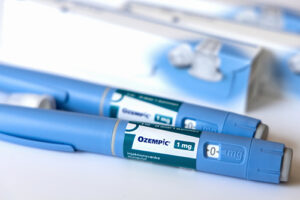
Ozempic Blindness – can Insulin injection pen or insulin cartridge pen for diabetics cause vision loss?
Ozempic and Wegovy, both produced by Novo Nordisk, are GLP-1 receptor agonists that help control blood sugar levels and promote weight loss. Ozempic is approved by the FDA for the treatment of type 2 diabetes, while Wegovy is approved for chronic weight management in adults with obesity or overweight conditions. The active ingredient in both medications, semaglutide, mimics the GLP-1 hormone, which increases insulin production and promotes a feeling of fullness, thereby reducing food intake. Recently, concerns of Ozempic blindness have been investigated with very concerning results.
While the benefits of these medications are well-documented, including improved HbA1c levels and significant weight loss, their side effects have raised concerns among healthcare professionals and patients. Common side effects include gastrointestinal issues, but more severe complications, such as potential eye health risks, have emerged as areas of concern.
Potential for Ozempic Blindness and Eye Health Risks
One of the most alarming potential side effects of Ozempic and Wegovy is the risk of vision changes, including blurred vision, worsening of diabetic retinopathy, and macular complications. These issues arise from the way semaglutide affects blood sugar levels, which can in turn impact the eye’s lens shape and lead to vision problems. For patients already dealing with diabetic retinopathy, the use of these medications may exacerbate their condition.
Alarming Data About the Risk of Blindness
Mass General Brigham Researchers
The recent study by Mass General Brigham researchers provides important data on the potential link between semaglutide medications (Ozempic and Wegovy) and the risk of non-arteritic anterior ischemic optic neuropathy (NAION). Here are the key statistics:
- NAION typically affects 2 to 10 out of 100,000 people in the general population.
- The study analyzed records of about 17,000 Mass Eye and Ear patients over a six-year period.
- Among 710 people with diabetes in the study:
- 194 were prescribed semaglutide
- 516 took other medications
- 17 patients on semaglutide developed NAION
- 6 patients on other medications developed NAION
- Among 979 patients who were obese or overweight:
- 361 were prescribed semaglutide
- 618 took other medications
- 20 patients on semaglutide developed NAION
- Only 3 patients on other medications developed NAION
These numbers suggest that people with diabetes who took semaglutide were more than four times more likely to be diagnosed with NAION compared to those on other medications. For overweight or obese individuals, the risk was more than seven times higher for those taking semaglutide. The risk of Ozempic blindness is readily apparent.
It’s important to note that this study was based on patients from a single Boston-area medical practice, which may not be representative of the general population. The study also covered a six-year period, matching the time Ozempic has been on the market.
Summary of Other Clinical Trial Findings Related to Ozempic, Wegovy and Eye Health
Clinical trials for Ozempic and Wegovy have primarily focused on their effectiveness in controlling blood sugar and promoting weight loss. However, some studies have also noted adverse effects on eye health. For instance, the incidence of blurred vision and worsening diabetic retinopathy has been reported among trial participants. These findings suggest a need for ongoing eye health monitoring for patients on these medications.
Experts like Dr. Raj K. Maturi, an ophthalmologist, have highlighted the potential risks associated with rapid changes in blood sugar levels, which can affect the eye’s lens and overall vision. These insights stress the importance of careful management of blood sugar levels to minimize the risk of eye complications.
Expert Opinions and Interpretations on Ozempic Blindness and Wegovy Vision Loss
Healthcare professionals, including ophthalmologists and endocrinologists, have provided varied interpretations of the data regarding semaglutide’s impact on eye health. Some experts advocate for a cautious approach, recommending regular eye exams for patients on Ozempic or Wegovy, especially those with a history of diabetic eye diseases.
Dr. Maturi and other experts suggest that while the benefits of semaglutide in managing diabetes and promoting weight loss are significant, the potential risks to eye health should not be overlooked. They advise that patients and healthcare providers should work closely to balance the benefits and risks, ensuring that any vision changes are promptly addressed and managed.
Other Severe Side Effects
Gastrointestinal Issues: Severe Gastroparesis and Cyclic Vomiting Syndrome
In addition to the risks associated with Ozempic blindness / eye health, Ozempic and Wegovy users have reported severe gastrointestinal issues. One of the most significant concerns is gastroparesis, a condition where the stomach muscles fail to properly move food through the digestive tract. This can lead to severe nausea, vomiting, and stomach paralysis. Patients have experienced such severe symptoms that they had to take a leave of absence from work, some even requiring surgical intervention, underscoring the profound impact these side effects can have on daily life.
Cyclic vomiting syndrome, another severe gastrointestinal condition linked to semaglutide use, causes repeated episodes of intense nausea and vomiting. These episodes can last for hours or even days, severely affecting the patient’s quality of life. Both gastroparesis and cyclic vomiting syndrome highlight the need for careful monitoring and immediate medical attention if such symptoms occur.
Thyroid C-cell Tumors Observed in Animal Studies
Another serious potential side effect of Ozempic and Wegovy is the development of thyroid C-cell tumors, as observed in animal studies. The FDA has included a boxed warning for these medications, indicating the risk of thyroid tumors, including medullary thyroid carcinoma (MTC). While these findings were in animal studies and it is not yet confirmed whether semaglutide causes these tumors in humans, the potential risk warrants caution.
Patients with a personal or family history of MTC or multiple endocrine neoplasia syndrome type 2 are advised against using these medications. This precaution is crucial as it helps mitigate the risk of developing serious thyroid conditions, which can have long-term health implications.
Hypoglycemia and Drug Interactions
Hypoglycemia, or low blood sugar, is another severe side effect that can occur, especially when Ozempic or Wegovy is used in conjunction with other diabetes medications like insulin. Hypoglycemia can lead to symptoms such as dizziness, confusion, and even loss of consciousness if not managed properly. It is essential for patients to monitor their blood sugar levels regularly and consult their healthcare provider to adjust medication dosages as needed.
Moreover, these medications can interact with other drugs, affecting their efficacy and safety. For instance, the delay in gastric emptying caused by semaglutide can impact the absorption of other medications, necessitating careful management and consultation with healthcare providers to avoid adverse interactions.
Legal and Consumer Advocacy
Growing Number of Lawsuits Related to Severe Side Effects
As more patients report severe side effects from Ozempic and Wegovy, there has been a growing number of lawsuits filed against the manufacturers. Patients who have experienced significant health problems, such as severe gastrointestinal issues and vision changes, are seeking legal recourse for the impact on their lives. These lawsuits highlight the importance of holding manufacturers accountable for the safety of their products.
Alonso Krangle, LLP is actively involved in representing clients who have suffered severe side effects from these medications. If you or a loved one have experienced adverse effects from Ozempic or Wegovy, including Ozempic blindness or vision loss, please contact us at 800-403-6191 for a free case review. Our firm is dedicated to ensuring that patients receive the compensation they deserve for their suffering and medical expenses.
Consumer Advocacy Efforts
Consumer advocacy groups are also playing a crucial role in raising awareness about the potential risks associated with semaglutide medications. Ozempic blindness, Wegovy vision loss and other injuries are a concern. These groups provide valuable resources and support for patients dealing with adverse effects, helping them navigate their legal and medical options. By sharing patient stories and pushing for greater transparency from pharmaceutical companies, consumer advocacy efforts are crucial in protecting patient rights and promoting safer medication use.
Additionally, advocacy groups encourage patients to report adverse effects to regulatory authorities, such as the FDA, to help improve drug safety monitoring. This collective effort can lead to better understanding and management of the risks associated with these medications, ultimately ensuring that patients receive safer and more effective treatments.
Weighing the Risks
The potential severe risks associated with Ozempic and Wegovy, such as blindness, severe gastrointestinal issues, and thyroid tumors, underscore the importance of weighing the benefits against the risks. While these medications can significantly improve blood sugar control and promote weight loss, patients must be aware of the possible severe side effects and work closely with their healthcare providers to monitor their health.
Regular medical supervision and personalized treatment plans are essential to mitigate these risks. Patients should report any adverse effects immediately and seek medical advice to adjust their treatment as necessary. By staying informed and proactive, patients can better manage their health and minimize the potential negative impacts of these medications.
Seek Legal Help if You’ve Been Injured by Ozempic or Wegovy
Ozempic and Wegovy offer substantial benefits in managing type 2 diabetes and supporting weight loss, but their potential for severe side effects, such as vision problems, gastrointestinal issues, and thyroid tumors, must be carefully considered. Risks of Ozempic blindness have been shown. Patients should remain vigilant, regularly monitor their health, and consult with healthcare providers to manage any adverse effects. If you or a loved one has suffered severe side effects from Ozempic, Wegovy, or other semaglutide medications, it is crucial to seek legal advice. Contact Alonso Krangle, LLP at 800-403-6191 for a free case review to explore your options for compensation and support.
Sources:
https://www.aao.org/eye-health/news/can-ozempic-affect-eye-health-here-s-what-ophthalm
https://www.cnn.com/2024/07/03/health/ozempic-wegovy-blindness-rare-risk/index.html
Speak with An Attorney
Submit This Form or Call 800-403-6191