

The Role of School Administrators in Addressing Sexual Misconduct: Prevention and Response
The Crucial Role of School Administrators in Addressing Sexual Misconduct
Sexual misconduct in schools is a serious issue that requires immediate and effective action. School administrators play a pivotal role in both preventing and responding to incidents of sexual abuse and misconduct. Their responsibilities extend beyond administrative duties, encompassing the creation of a safe, supportive, and vigilant school environment. This blog will explore the essential responsibilities of school leaders in addressing sexual misconduct and outline steps they can take to foster a secure and supportive atmosphere for students.
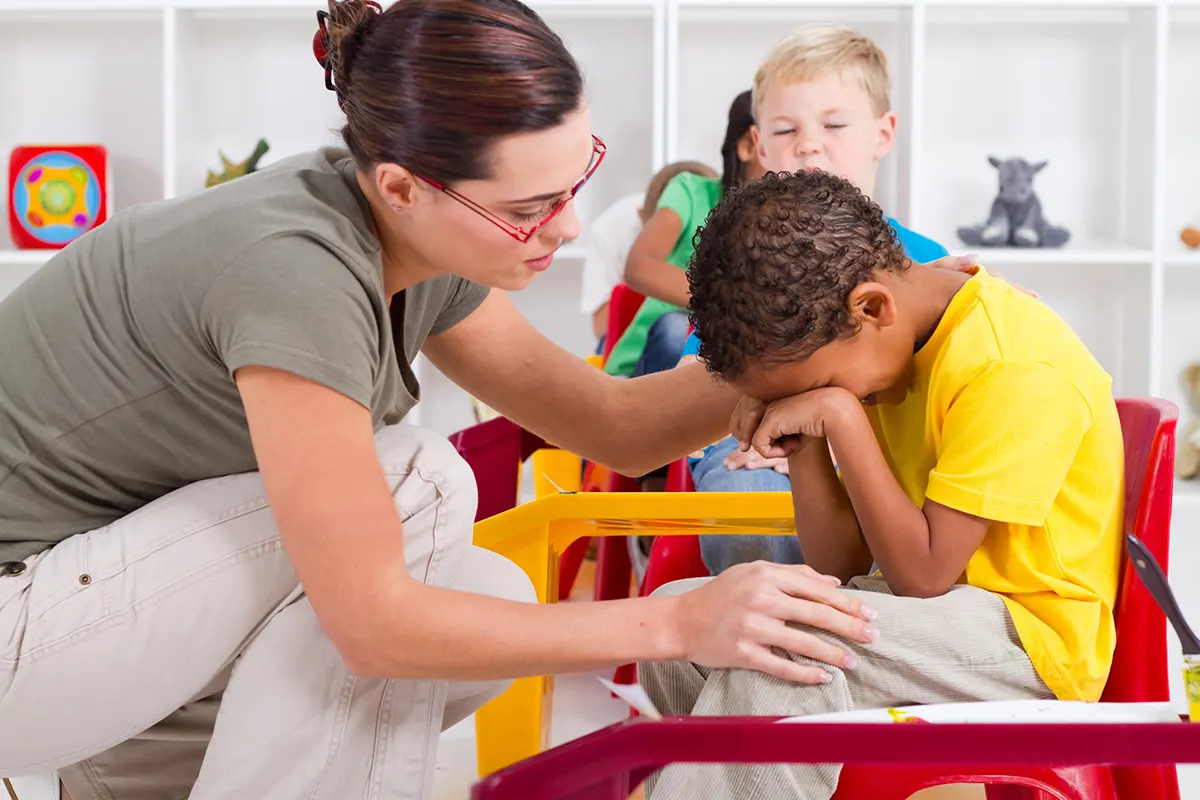
Understanding the gravity of sexual misconduct and its potential impact on students is vital for administrators. They must recognize that their proactive measures can significantly influence the safety and well-being of their students. By taking decisive action and setting a strong example, school administrators can help prevent incidents of sexual misconduct and ensure that their schools are safe havens for learning and growth.
Understanding the Responsibilities of School Administrators
School administrators hold significant authority and responsibility in maintaining a safe educational environment. Their roles include setting the tone for school culture, implementing policies, and ensuring compliance with legal and ethical standards. Administrators must be proactive in recognizing and addressing potential risks, providing clear guidelines and training for staff, and establishing a zero-tolerance policy for sexual misconduct.
Effective leadership involves not only responding to incidents but also taking preventive measures. By creating a culture of transparency and accountability, administrators can significantly reduce the risk of sexual misconduct in schools. This includes regular reviews of school policies and procedures to ensure they are up-to-date and effectively address the current challenges related to sexual misconduct.
Administrators should also focus on building a team of well-trained staff who understand their roles in preventing and responding to sexual misconduct. This involves continuous professional development and creating an environment where staff feel supported and empowered to take action when necessary.
Preventive Measures for Sexual Misconduct
Preventing sexual misconduct requires a comprehensive approach that involves all members of the school community. Administrators can take several steps to prevent abuse, including:
- Implementing thorough background checks for all staff and volunteers
- Providing regular training on recognizing and reporting sexual misconduct
- Establishing clear policies and procedures for addressing allegations
- Promoting a culture of respect and inclusion
- Encouraging open communication and reporting of concerns
Background checks are essential in ensuring that individuals with a history of misconduct do not gain positions of trust within the school. Regular training sessions for staff, students, and parents can help everyone recognize the signs of sexual misconduct and understand the procedures for reporting concerns.
Creating and maintaining clear policies and procedures provides a framework for responding to allegations consistently and effectively. These policies should be easily accessible and clearly communicated to all members of the school community. Promoting a culture of respect and inclusion helps to create an environment where sexual misconduct is less likely to occur, as students and staff feel valued and respected.
Encouraging open communication and the reporting of concerns is crucial. Administrators should ensure that students and staff know how to report incidents and feel confident that their concerns will be taken seriously and handled appropriately.
Responding to Incidents of Sexual Misconduct
When incidents of sexual misconduct occur, it is crucial for administrators to respond promptly and effectively. Key steps include:
- Ensuring the immediate safety of the victim
- Conducting a thorough and impartial investigation
- Maintaining confidentiality and protecting the privacy of all parties involved
- Providing support services for victims, such as counseling and advocacy
- Taking appropriate disciplinary action against perpetrators
The immediate safety of the victim should be the top priority. This may involve removing the alleged perpetrator from the school environment and providing a safe space for the victim. A thorough and impartial investigation is essential to determine the facts of the case and ensure a fair outcome. This investigation should be conducted by trained professionals who understand the sensitivity and complexity of sexual misconduct cases.
Maintaining confidentiality and protecting the privacy of all parties involved is crucial to prevent further harm and ensure that victims feel safe in coming forward. Providing support services for victims, such as counseling and advocacy, helps them to begin the healing process and feel supported throughout the investigation and beyond.
Appropriate disciplinary action against perpetrators is necessary to uphold the school’s commitment to safety and justice. This may include suspension, termination, or legal action, depending on the severity of the misconduct.
Creating a Supportive School Environment
A supportive school environment is essential for preventing and addressing sexual misconduct. Administrators can foster such an environment by:
- Encouraging student participation in creating a respectful school culture
- Providing resources and education on healthy relationships and consent
- Establishing peer support programs and mentoring initiatives
- Engaging parents and the wider community in prevention efforts
- Regularly reviewing and updating school policies to reflect best practices
Encouraging student participation in creating a respectful school culture helps to ensure that students feel a sense of ownership and responsibility for their environment. This can include student-led initiatives, peer support programs, and open discussions about respect and consent.
Providing resources and education on healthy relationships and consent helps students understand what constitutes appropriate behavior and how to recognize and report misconduct. This education should be ongoing and integrated into the school curriculum.
Establishing peer support programs and mentoring initiatives can provide students with additional sources of support and guidance. These programs can help students feel more connected to their school community and provide a safe space for discussing concerns.
Engaging parents and the wider community in prevention efforts is crucial for creating a comprehensive approach to preventing sexual misconduct. This can include informational sessions, resources, and opportunities for involvement in school activities.
Regularly reviewing and updating school policies to reflect best practices ensures that the school remains proactive in addressing sexual misconduct and provides a clear framework for prevention and response.
The Importance of Training and Professional Development
Continuous training and professional development are crucial for school administrators and staff. Regular training sessions should cover topics such as recognizing signs of abuse, legal obligations for reporting, and effective communication with students and parents. Professional development opportunities can also include workshops on creating inclusive environments and managing crisis situations.
By staying informed and up-to-date on best practices, administrators can better protect their students and create a safer school environment. Training should be mandatory and recurring, ensuring that all staff members are equipped with the knowledge and skills needed to prevent and respond to sexual misconduct effectively.
Professional development opportunities can also help administrators and staff stay current with evolving legal and ethical standards, as well as emerging trends and challenges related to sexual misconduct in schools. This ongoing education is essential for maintaining a proactive and informed approach to school safety.
Encouraging a culture of continuous learning and improvement helps to ensure that the entire school community is committed to creating a safe and supportive environment for all students. By prioritizing training and professional development, administrators can demonstrate their commitment to preventing and addressing sexual misconduct and fostering a culture of safety and respect.
Call Alonso Krangle, LLP if Your Child Has Been Abused
Contact Alonso Krangle, LLP at 800-403-6191 if your child has been the subject of sexual abuse in the schools. We are here to represent your child’s interest, help keep them safe, and ensure that those responsible are held accountable. Call for a free, confidential consultation.
Speak with An Attorney
Submit This Form or Call 800-403-6191