

Commercial Truck Blind Spots: What Every Driver Should Know
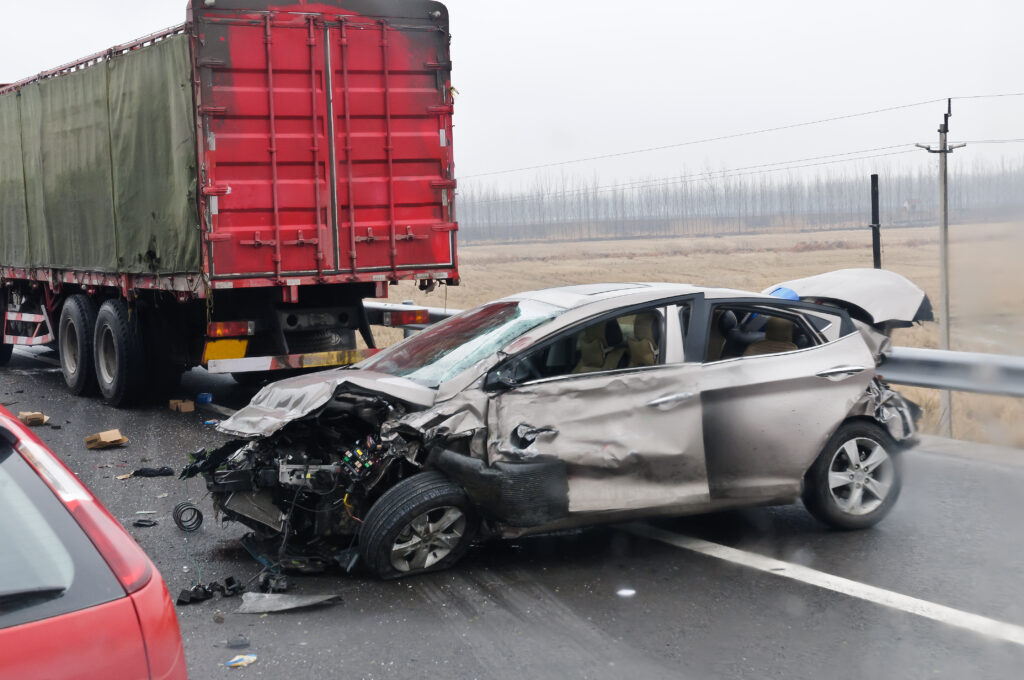
Sharing the road with commercial trucks is a normal part of driving throughout New York. Every day, tractor-trailers transport goods across Long Island, through Queens, and along busy highways connecting Nassau and Suffolk counties. While these vehicles play an important role in keeping products moving, they also present unique challenges for other motorists.
One of the biggest dangers involves a truck’s blind spots, often referred to as “No Zones.” Because of their size and design, commercial trucks have areas around the vehicle where the driver cannot easily see nearby cars, motorcycles, or cyclists. When another vehicle remains in one of these blind spots, the risk of a serious collision increases significantly. Understanding where these blind spots are located and how accidents happen can help drivers make safer decisions while traveling near large trucks.
Why Commercial Trucks Have Larger Blind Spots
Unlike passenger vehicles, commercial trucks sit much higher off the ground and pull long trailers that limit visibility. Although truck drivers rely on large side mirrors, those mirrors cannot eliminate every blind spot.
The largest blind spots are typically located:
- Directly in front of the truck
- Directly behind the trailer
- Along both sides of the truck, particularly the right side
Because these areas are difficult to see, a truck driver may not realize another vehicle is nearby when changing lanes, making a turn, or slowing down.
How Blind Spot Accidents Happen
Many blind spot accidents occur during everyday driving situations. A passenger vehicle may remain beside a truck for an extended period, making it difficult for the truck driver to see before changing lanes. Other crashes happen when a vehicle suddenly moves into a truck’s blind spot while traffic is slowing or merging.
Some common scenarios include:
- A truck changes lanes without seeing a nearby vehicle.
- A driver attempts to pass on the truck’s right side.
- Traffic merges in heavy congestion.
- A truck makes a wide turn while another vehicle is alongside the trailer.
- A vehicle follows too closely behind the truck and is hidden from view.
These collisions can happen in just a few seconds, often leaving occupants of smaller vehicles with serious injuries.
Why Blind Spot Crashes Are Often Severe
The difference in size between a commercial truck and a passenger vehicle means that even a relatively low-speed collision can have significant consequences.
Victims of truck blind spot accidents may suffer:
- Broken bones
- Traumatic brain injuries
- Neck and back injuries
- Spinal cord injuries
- Internal injuries
- Permanent disabilities
In addition to the physical injuries, many victims face lengthy recoveries, missed work, ongoing medical expenses, and emotional trauma following the crash.
Can Blind Spot Accidents Always Be Blamed on the Truck Driver?
While truck drivers have a responsibility to check mirrors, operate safely, and follow traffic laws, determining liability is not always straightforward.
Every accident must be evaluated based on its specific facts. Depending on the circumstances, factors that may contribute to a blind spot collision include:
- Unsafe lane changes
- Speeding
- Distracted driving
- Failure to signal
- Driver fatigue
- A passenger vehicle remaining in a blind spot for an extended period
In some situations, responsibility may also extend beyond the driver. Trucking companies, maintenance providers, or other parties may be involved depending on the cause of the accident.
What Evidence Can Help After a Truck Accident?
Truck accident investigations are often more complex than typical car accident claims. Preserving evidence as early as possible can help establish how the collision occurred and who may be responsible.
Important evidence may include:
- Police accident reports
- Photographs of the vehicles and roadway
- Witness statements
- Surveillance or dash camera footage
- Electronic logging device (ELD) records
- Truck maintenance and inspection records
Commercial trucks are also subject to federal safety regulations, making documentation especially important when evaluating a potential claim.
Steps to Take After a Commercial Truck Accident
After any truck accident, your health should come first. Seek medical attention as soon as possible, even if injuries appear minor. Some conditions, including concussions and internal injuries, may not produce immediate symptoms. If you are able, document the scene, exchange information with the truck driver, and avoid discussing fault before the facts have been fully investigated. Keeping records of your medical treatment, expenses, and recovery can also be helpful if you later pursue a claim.
Alonso Krangle Fight for Victims After a Commercial Truck Accident
Commercial truck accidents often result in life-changing injuries and complicated investigations. When a collision involves a large truck, understanding how blind spots, driver actions, and other contributing factors played a role can be an important part of protecting your rights. Alonso Krangle helps injury victims throughout Long Island, Nassau County, Suffolk County, Queens, and New York pursue compensation after serious truck accidents and works to hold negligent drivers and trucking companies accountable. If you or a loved one was injured in a commercial truck accident, call us at 800-403-6191 or contact us online for a free consultation and a confidential conversation about your rights.
Speak with An Attorney
Submit This Form or Call 800-403-6191