

Who Is Liable When a Nursing Home Employee Abuses a Resident?
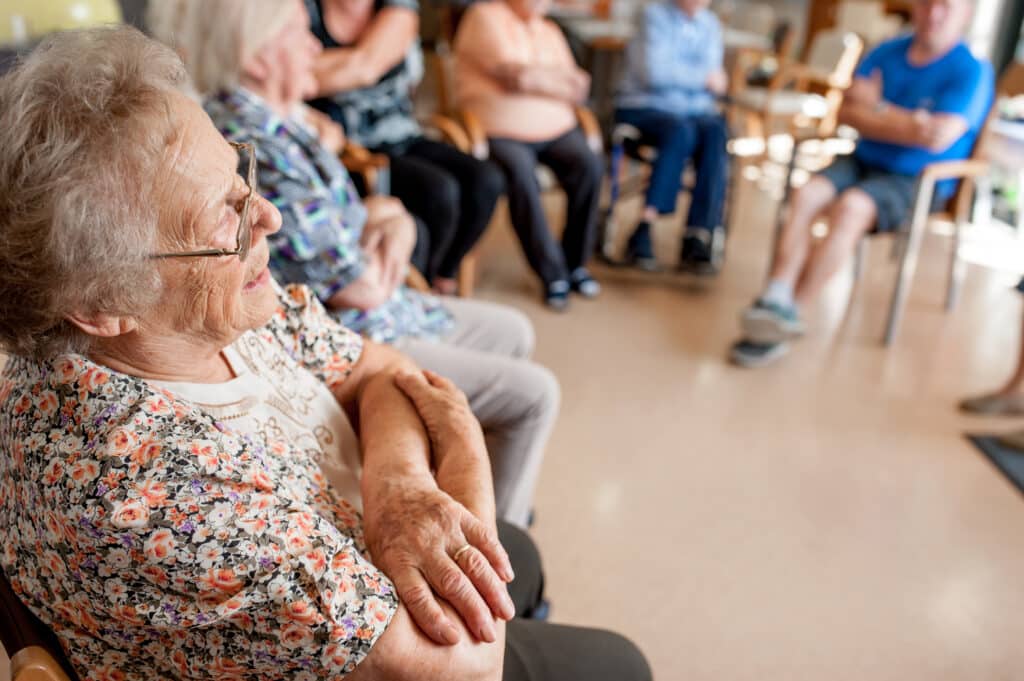
Families trust nursing homes to provide safe, respectful care for their loved ones. When an employee physically hurts, threatens, humiliates, or sexually abuses a resident, that trust can be shattered. The resident may suffer physical injuries, emotional trauma, and a lasting loss of confidence in the people responsible for their care.
After discovering abuse, families often want to know who can be held accountable. The employee who committed the abuse may be personally responsible, but the nursing home could also face liability. The answer depends on what happened, the employee’s role, and whether the facility failed to protect its residents. In New York, understanding these distinctions can help families explore their legal options and take steps to protect a loved one from further harm.
Can a Nursing Home Employee Be Held Personally Responsible?
Yes. Nursing home employees can face personal liability when their wrongful actions injure a resident. Abuse can take many forms, including hitting, rough handling, threats, verbal humiliation, and inappropriate sexual contact.
Not all abuse leaves visible injuries. A resident who becomes unusually withdrawn, fearful around certain employees, or reluctant to speak openly may be experiencing mistreatment. Unexplained bruises, repeated injuries, or inconsistent explanations from staff can also raise concerns.
An employee who deliberately harms a resident may face civil liability and, in some circumstances, criminal consequences. The type of claim depends on the conduct and the harm it caused.
However, identifying the employee is only one part of the process. Families may also need to determine whether the nursing home knew about the risk, failed to supervise its staff, or ignored warning signs that could have prevented the abuse.
When Can the Nursing Home Be Held Liable?
A nursing home may be legally responsible for abuse committed by an employee, but liability is not automatic simply because the abuse happened inside the facility.
One possible basis is vicarious liability. This legal principle can make an employer responsible for an employee’s wrongful conduct when the conduct falls within the scope of the employee’s job. Whether that rule applies depends on the circumstances, including the nature of the employee’s actions and their connection to assigned duties.
A facility may also face a separate claim if its own failures contributed to the abuse. For example, the nursing home may have:
- Hired an employee despite warning signs or relevant disqualifying history.
- Failed to provide appropriate supervision or training.
- Ignored earlier complaints about an employee’s behavior.
- Failed to investigate reports of mistreatment.
- Allowed an employee to continue working with residents despite credible concerns.
These failures can matter because nursing homes have responsibilities to protect residents from abuse and respond appropriately when allegations arise. New York regulations prohibit physical, verbal, mental, and sexual abuse and require facilities to investigate allegations and take appropriate protective action.
The evidence must connect the facility’s conduct to a legally recognized basis for liability. A nursing home is not automatically responsible for every wrongful act an employee commits, but it cannot ignore its own role in creating or allowing unsafe conditions.
What If the Nursing Home Ignored Earlier Complaints?
Previous complaints can be especially important when investigating an abuse claim. If a resident or family member reported troubling behavior before the incident, those reports may help establish what the facility knew and how it responded.
For example, suppose several families complained that an employee shouted at residents or handled them roughly. If the nursing home failed to investigate and the employee later seriously injured a resident, the earlier complaints could help show whether the facility missed opportunities to prevent further harm.
Records of complaints, internal investigations, disciplinary actions, staffing assignments, and communications may help clarify what happened. Medical records and witness statements can also help establish the resident’s injuries and the circumstances surrounding them.
Families should keep copies of written complaints and make notes of conversations with staff, including dates, names, and responses. An attorney may be able to help obtain additional records and determine whether the facility’s actions contributed to the abuse.
What Legal Protections Do Nursing Home Residents Have in New York?
New York law provides protections for people living in residential health care facilities. Under New York Public Health Law § 2801-d, a resident may have a private legal claim when a facility deprives them of certain rights or benefits established by law or regulation and the deprivation causes injury. The statute recognizes several forms of harm, including physical and emotional injury.
This law may provide a route to compensation in qualifying cases, but it does not mean every allegation automatically results in a successful claim. The facts, applicable legal requirements, and available evidence all matter.
Families can also report suspected abuse to the New York State Department of Health, which investigates complaints involving nursing home care and potential state or federal regulatory violations. A regulatory investigation and a civil lawsuit serve different purposes, so reporting an incident does not replace the need to consider legal options.
What Should Families Do if They Suspect Abuse?
Protecting the resident should come first. If your loved one faces immediate danger or needs urgent medical care, seek emergency assistance and arrange for appropriate treatment.
When it is safe to do so, document what you observe. Photograph visible injuries, keep copies of relevant medical records, and write down what the resident tells you in their own words. Preserve messages and other communications with the facility, and identify anyone who may have witnessed the incident.
You can report suspected nursing home abuse to the New York State Department of Health. Families may also contact law enforcement when they suspect a crime. If you believe the facility has not taken adequate steps to protect the resident, consider seeking legal advice about additional options.
Acting promptly can help protect your loved one and preserve evidence that may become important later.
Alonso Krangle Fight for Victims of Nursing Home Abuse
When a nursing home employee abuses a resident, the employee may be personally responsible, and the facility may also face liability if its conduct or legal relationship with the employee supports a claim. Alonso Krangle helps injured individuals and families understand their legal options. If you suspect that a loved one has suffered abuse in a New York nursing home, speaking with an attorney can help you evaluate the circumstances, identify potentially responsible parties, and understand the steps available to protect your loved one’s rights. Contact Alonso Krangle for a free consultation and a confidential conversation about your rights. Call us at 800-403-6191 or contact us online.
Speak with An Attorney
Submit This Form or Call 800-403-6191