

Bedsores in Long Island Nursing Homes: A Sign of Neglect
Bedsores in Long Island Nursing Homes: A Sign of Neglect
Bedsores, also known as pressure ulcers, are a pervasive problem in nursing homes, especially in facilities where neglect and understaffing compromise patient care. These painful and potentially life-threatening wounds develop when residents are left immobile for extended periods without proper repositioning or medical attention. For families with loved ones in nursing homes across Long Island, bedsores are often a glaring red flag signaling inadequate care and oversight.
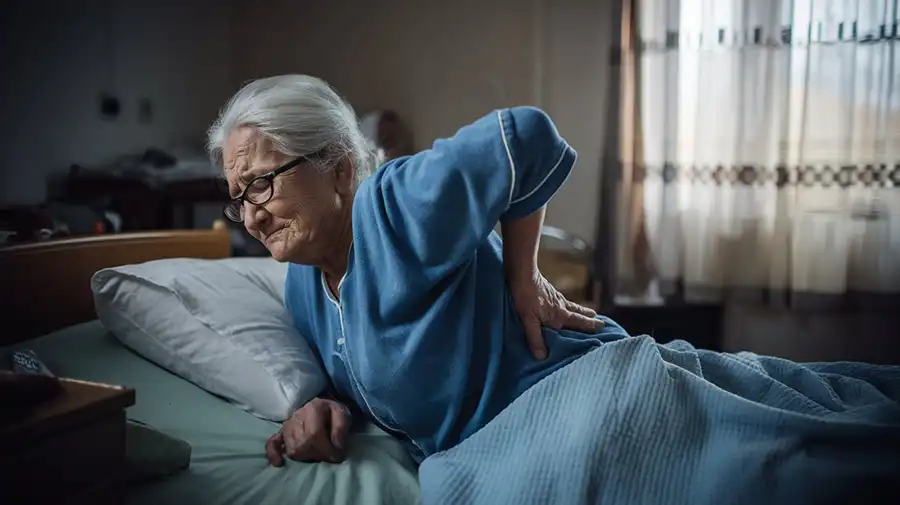
In many cases, bedsores are entirely preventable with proper nursing home protocols, including frequent position changes, adequate nutrition, and routine skin assessments. However, when these essential measures are neglected, residents may develop bedsores that progress to severe stages, leading to infections, tissue damage, and even sepsis. Such outcomes not only diminish the quality of life but also increase medical risks for already vulnerable residents.
Families who discover bedsores on their loved ones must act swiftly. Identifying the signs early and pursuing legal action can help hold negligent nursing homes accountable while protecting others from similar harm.
Understanding Bedsores and Their Causes
Bedsores occur when sustained pressure limits blood flow to the skin and underlying tissues. This condition is most common in bedridden or wheelchair-bound individuals, such as elderly residents in nursing homes. Without adequate circulation, the affected skin begins to break down, leading to open sores that worsen over time.
In Long Island nursing homes , understaffing and poor training are often to blame for bedsores. Staff shortages mean residents are not repositioned frequently enough, increasing the risk of pressure ulcers on bony areas like the heels, hips, and tailbone. Poor hygiene and neglect can exacerbate these wounds, leaving them susceptible to infection.
Preventing bedsores requires diligence. Care facilities must provide sufficient staffing levels, proper training, and regular assessments of high-risk residents. When these steps are ignored, the consequences can be devastating.
Signs of Nursing Home Neglect Leading to Bedsores
Spotting the early signs of neglect is critical to protecting nursing home residents. Bedsores are often an indicator of deeper systemic issues, such as poor management or inadequate staffing. Families visiting loved ones should watch for:
- Red or discolored skin: Early-stage bedsores often appear as reddened areas that do not fade after pressure is relieved.
- Open wounds: More advanced sores may look like ulcers or craters, exposing underlying tissues.
- Signs of infection: Swelling, pus, and foul odors around a wound indicate an infection, which requires immediate medical attention.
Additional warning signs of neglect include soiled bedding, weight loss, dehydration, and unexplained injuries. If you notice these issues, it’s essential to document your observations and report concerns to the nursing home administration. Seeking legal guidance can also help families ensure their loved ones receive the care they deserve.
The Health Risks Associated with Untreated Bedsores
Untreated bedsores can escalate from minor skin irritation to severe medical complications, putting residents’ health and lives at risk. When left unaddressed, these wounds progress through four stages:
- Stage 1: Red, inflamed skin that may feel warm or firm to the touch. This is the most treatable stage, but it requires immediate attention.
- Stage 2: Open sores or blisters form, causing pain and exposing the underlying skin to bacteria.
- Stage 3: The wound deepens, damaging the tissue below the skin, and may develop dead tissue (eschar).
- Stage 4: The most severe stage, with extensive damage to muscles, tendons, and even bones. Infection and sepsis are common at this stage, leading to life-threatening complications.
Beyond physical pain, bedsores can lead to systemic infections such as sepsis and cellulitis, which can compromise organ function. Residents suffering from severe pressure ulcers may also experience psychological distress, feeling neglected and dehumanized by the lack of proper care. Families must act quickly to prevent their loved ones from enduring unnecessary suffering.
Legal Accountability for Nursing Home Neglect
Nursing homes have a legal duty to provide a safe and caring environment for their residents. Under New York law, facilities are required to meet state and federal standards of care. When they fail to do so, they can be held accountable for the harm caused by their negligence.
Legal actions against nursing homes often involve claims of negligence or violations of residents’ rights. For instance, if a facility is found to be understaffed, poorly managed, or neglectful in its care protocols, families may pursue compensation for medical expenses, pain and suffering, and other damages. In some cases, punitive damages may also be awarded to penalize particularly egregious misconduct.
One key aspect of pursuing justice is gathering evidence of neglect. This may include medical records, photographs of the bedsores, witness statements, and documentation of any complaints filed with the facility or regulatory agencies. Our lawyers are well-versed in building strong cases to hold negligent nursing homes accountable and secure justice for victims.
Whether it’s nursing home abuse in Suffolk County , nursing home abuse in Nassau County , or another New York or New Jersey location, we’re committed to standing up for you. Our Long Island nursing home abuse lawyers tirelessly represent families throughout the region.
Steps Families Can Take When They Suspect Neglect
If you suspect your loved one is suffering from neglect or abuse in a Long Island nursing home, taking swift action is essential. Here are steps you can follow to address the situation:
- Document the Evidence: Take photographs of any visible injuries, such as bedsores, and keep detailed notes about your observations, including dates and times.
- Speak to the Staff: Ask about your loved one’s care plan, and raise concerns about their condition or the facility’s protocols.
- File a Complaint: Report the neglect to the New York State Department of Health or Adult Protective Services. These agencies investigate claims of abuse and neglect in nursing homes.
- Seek Medical Attention: Ensure your loved one receives proper medical care for their injuries , including bedsores. Prompt treatment can prevent further complications.
- Consult an Attorney: Contact our team to explore your legal options and determine whether you have grounds for a claim against the facility.
By taking these steps, you can advocate for your loved one’s safety and ensure that neglectful facilities are held accountable.
How Bedsores Reflect Broader Issues in Nursing Homes
Bedsores are often symptomatic of deeper problems within nursing homes, such as understaffing, inadequate training, and poor facility management. Facilities with high staff turnover or low staff-to-resident ratios often struggle to meet the basic needs of their residents. This neglect can manifest in multiple ways:
- Lack of repositioning: Residents who require assistance to move are often left in the same position for hours, leading to pressure ulcers.
- Hygiene issues: Poor sanitation and failure to clean wounds can worsen bedsores and lead to infections.
- Nutritional deficiencies: Malnourished residents are more prone to developing bedsores due to weakened skin and immune systems.
Addressing these systemic problems requires accountability at every level, from management to caregivers. Families play a crucial role in bringing attention to these issues and advocating for their loved ones.
Preventing Bedsores: The Role of Nursing Homes
Nursing homes have a responsibility to implement measures that prevent bedsores and ensure residents receive adequate care. Best practices include:
- Regular repositioning: Caregivers should help immobile residents change positions every two hours to relieve pressure.
- Routine skin assessments: Regular checks for redness, irritation, or open sores allow staff to address potential issues early.
- Proper nutrition and hydration: Providing balanced meals and adequate fluids strengthens the skin and promotes healing.
- Hygiene and wound care: Ensuring cleanliness and using appropriate dressings can prevent infection and promote recovery.
When nursing homes fail to follow these guidelines, residents’ health and dignity suffer. Facilities must be held to high standards to ensure the safety and well-being of every resident.
Contact Us to Protect Your Loved One’s Rights
If your loved one has suffered from bedsores or other signs of neglect in a Long Island nursing home, our lawyers are here to help. At Alonso Krangle, LLP, we understand the emotional and physical toll that neglect takes on families, and we are committed to seeking justice for those affected.
Our team will thoroughly investigate your case, hold the negligent parties accountable, and work to secure the compensation your family deserves. Call 800-403-6191 or complete our online form today for a free consultation. Let us fight for your loved one’s dignity and safety.
Speak with An Attorney
Submit This Form or Call 800-403-6191