

Blog
-
Protecting Loved Ones From Nursing Home Abuse and Neglect
Making the decision to move a loved one into a nursing home is never easy. Families trust these facilities to provide compassionate care, meet residents’ daily needs, and create a safe environment where older adults can receive the attention they deserve. While many nursing homes provide quality care, abuse and neglect remain serious concerns. When…
-
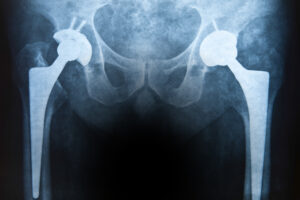
Defective Hip Implants: When a Medical Device Causes More Harm Than Healing
Hip replacement surgery has helped millions of people regain mobility and improve their quality of life. Whether performed because of arthritis, injury, or another medical condition, patients undergo these procedures with the expectation that the implant will reduce pain and provide lasting results. Unfortunately, that is not always the case. Some patients experience serious complications…
-
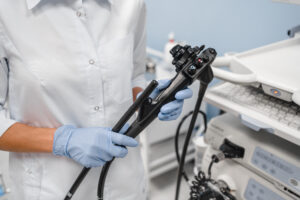
Understanding the Different Types of Olympus Scope Injury Claims
Medical devices are designed to help doctors diagnose and treat patients safely. When patients undergo procedures involving endoscopes, they trust that the equipment used during their care has been properly designed, maintained, and handled. However, concerns involving certain Olympus endoscopes have led some patients to explore legal claims after experiencing serious infections and complications following…
-
What Happens If a USPS Worker Is Attacked by a Dog While Delivering Mail?
Postal workers visit hundreds of homes, apartment buildings, and neighborhoods as part of their daily routes. While delivering mail is a routine service for communities across New York, it can also expose USPS workers to unexpected dangers — including dog attacks. A dog that appears calm in one situation may react differently when a mail…
-
Common Types of Medical Malpractice Cases Patients Should Know About
Patients trust doctors, nurses, hospitals, and other healthcare professionals to provide safe and appropriate medical care. When seeking treatment, people expect healthcare providers to properly diagnose conditions, follow safety procedures, and make decisions based on their medical needs. Unfortunately, mistakes can happen. While not every negative medical outcome is considered malpractice, some errors may occur…
-
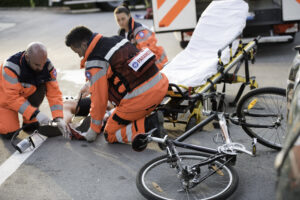
What Victims Should Know After a Bicycle Accident in New York
Bicycling is a popular way to travel, exercise, and enjoy the outdoors throughout New York. However, cyclists face unique risks every time they share the road with larger vehicles. Unlike drivers and passengers inside cars, bicyclists have little protection during a collision, meaning even a seemingly minor accident can result in serious injuries. A bicycle…
-
When a Doctor Violates Patient Trust: Understanding Your Legal Rights
Patients place an incredible amount of trust in doctors and healthcare providers. During medical appointments, examinations, and treatments, patients are often in vulnerable situations and rely on providers to act professionally, respectfully, and in their best interests.When a healthcare provider violates that trust through misconduct, abuse, or inappropriate behavior, the impact can be devastating. Beyond…
-
How Weather and Road Conditions Contribute to Motorcycle Accidents
Motorcycles provide riders with a sense of freedom and connection to the road, but they also leave riders more exposed when an accident happens. Unlike passenger vehicles, motorcycles do not have the same level of protection during a crash, which means even a minor collision or unexpected hazard can result in serious injuries. While many…
-
Why Truck Accident Claims Are Different From Other Vehicle Accidents
A collision involving a commercial truck can change a person’s life in an instant. Because of their size and weight, tractor trailers, delivery trucks, and other large commercial vehicles can cause severe injuries when they are involved in an accident.While every crash can be stressful, truck accident claims are often more complicated than typical car…
-
What Evidence Can Help Support a Car Accident Claim?
A car accident can happen in a matter of seconds, but the impact can last for months or even years. After a crash, injured victims often have to deal with medical treatment, vehicle repairs, insurance companies, and uncertainty about what happens next. One of the most important parts of pursuing a car accident claim is…







Speak with An Attorney
Submit This Form or Call 800-403-6191