

WanaBana Recall: Fruit Puree Pouch
WanaBana Recall, Schnucks and Weis Branded Applesauce Pouches: Dangerous Lead Found
The recent WanaBana recall for their apple cinnamon fruit puree pouches, along with Schnucks-brand and Weis-brand cinnamon applesauce pouches, has raised significant concerns. This recall, initiated due to the discovery of elevated lead levels in these products, poses a serious health risk, particularly to children. This blog post aims to shed light on the intricate details of the recall, the health implications of lead exposure, and the legal responsibilities of food manufacturers.
Lead contamination in food products is a critical issue, given the toxic nature of lead, especially to younger consumers. The recall spans various brands and includes products distributed nationally and internationally. Understanding the scope and severity of this issue is crucial for consumers, health professionals, and legal experts alike.
This recall serves as a stark reminder of the importance of stringent quality controls in food manufacturing and the need for constant vigilance in protecting public health. As we delve deeper into the specifics of this case, it becomes clear that this is not just a matter of product recall but a broader issue of food safety and consumer protection.
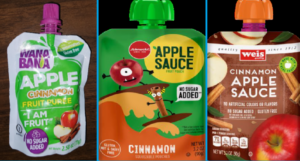
Image source: FDA
Background of the Issue
The discovery of lead contamination in these fruit puree and applesauce pouches has prompted a thorough investigation by federal and state authorities. The FDA, in collaboration with various state and local partners, initiated this investigation upon reports of elevated blood lead levels in children potentially linked to these products. This collaborative effort underlines the seriousness with which such health hazards are treated.
WanaBana, Schnucks, and Weis, the brands affected by this recall, have a widespread distribution network, including major online platforms and national retail stores. This extensive distribution has amplified the impact of the recall, affecting a significant number of consumers across the United States and even internationally. The involvement of multiple agencies in different jurisdictions highlights the complex nature of managing food safety in a globalized marketplace.
The situation has evolved rapidly, with ongoing updates and advisories being issued as new information emerges. The FDA’s active role in this investigation, including onsite inspections and sample testing, underscores the agency’s commitment to public health and food safety. This case serves as a crucial reminder of the interconnectedness of global food supply chains and the need for vigilant quality control at every stage.
Health Implications of Lead Exposure
Lead toxicity is a grave health concern, especially for children, who are more susceptible to its harmful effects. Exposure to lead, even at low levels, can have significant health consequences. In the short term, symptoms such as headaches, abdominal pain, vomiting, and anemia may manifest. However, it’s the long-term effects, including cognitive and developmental issues, that are particularly alarming.
Since the recall, there have been numerous reports of adverse events, primarily involving young children. These reports are being closely monitored by the Centers for Disease Control and Prevention (CDC), which is conducting extensive case finding and health monitoring efforts. The increasing number of reported cases reflects the potentially widespread impact of this contamination.
The seriousness of lead exposure cannot be overstated. It’s a silent threat that can have lasting consequences on health and wellbeing. This situation highlights the critical need for immediate medical attention and monitoring for anyone who suspects they have been exposed to the recalled products. Parents, in particular, must be vigilant for any signs of lead poisoning in their children and seek prompt medical care.
Legal and Regulatory Aspects
The ongoing investigation into the source of the lead contamination is a crucial aspect of this recall. The FDA’s involvement, particularly its coordination with Ecuadorian authorities, where the manufacturing facility is located, is a key part of understanding and resolving the issue. This international collaboration indicates the complex nature of food safety in the global market and the necessity for cross-border regulatory cooperation.
Under U.S. law, food manufacturers bear significant legal responsibility to prevent chemical hazards like lead contamination. This legal obligation is not just a matter of compliance but a crucial aspect of public health protection. Manufacturers are required to implement preventive controls and conduct necessary testing to ensure the safety of their products, a standard clearly not met in this instance.
This case exemplifies the vital role of regulatory agencies in safeguarding public health and the legal implications of failing to adhere to established safety standards. It serves as a stark reminder to the food industry of its legal obligations and the severe consequences of negligence. For consumers, it underscores the importance of being informed and vigilant about the products they consume.
Consumer Advisory – Wanabana Recall for Lead
In light of this recall, the FDA has issued clear guidelines for consumers regarding the recalled products. The primary advice is not to consume, sell, or serve the affected pouches and to properly dispose of them. This includes carefully opening the pouches and discarding the contents in a manner that prevents further contamination or accidental consumption.
For households that may have purchased these products, it’s crucial to check their homes and discard any of the recalled items. The FDA’s recommendation to dispose of these products safely is aimed at preventing any potential health risks to consumers, especially children, who are the primary consumers of these products.
Healthcare consultation is strongly advised for anyone who suspects they or their children might have been exposed to the contaminated products. Given that the symptoms of lead exposure can be subtle and develop over time, seeking medical advice is critical. The FDA also encourages consumers to report any adverse effects or exposure to these products, contributing to the ongoing investigation and ensuring a comprehensive response to this public health concern.
Ongoing Investigation and Future Updates
The FDA’s investigation into this serious matter is ongoing, with efforts focused on pinpointing the exact point of contamination. Determining whether additional products are implicated in this recall is a top priority. This ongoing investigation is crucial for preventing further exposure and safeguarding public health.
As new information becomes available, the FDA has committed to updating the public and stakeholders. These updates are essential for keeping consumers informed and ensuring that all necessary steps are taken to mitigate the impact of this recall. The evolving nature of this investigation highlights the complexities of food safety in today’s interconnected global market.
The potential for additional products being linked to the illnesses underlines the importance of a thorough and comprehensive investigation. The FDA’s proactive approach in this case serves as a model for how regulatory agencies can respond effectively to protect public health in the face of such challenges. Consumers are encouraged to stay informed and follow the latest advisories and updates issued by the FDA.
Lead Poses Significant Public Health Concerns
This WanaBana recall, Schnucks, and Weis-brand cinnamon apple puree pouches due to elevated lead levels is a significant public health concern. It highlights the critical importance of stringent quality controls and regulatory oversight in the food industry. The widespread distribution of these products, both nationally and internationally, amplifies the impact of this issue, affecting a large number of consumers.
The health implications of lead exposure, particularly for children, cannot be overstated. The reports of adverse events linked to these products underscore the urgency of addressing this issue. Parents and caregivers must be particularly vigilant in monitoring for symptoms of lead poisoning and seeking prompt medical attention.
This situation serves as a reminder of the legal responsibilities of food manufacturers and the crucial role of regulatory agencies in ensuring food safety. It is a clear example of the consequences of failing to meet these responsibilities and the ongoing need for vigilance in protecting public health.
Contact Our Personal Injury Attorneys at Alonso Krangle, LLP
If you or a family member has been injured or adversely affected by the WanaBana recall, as well as Schnucks, or Weis-brand fruit puree pouches, it’s crucial to seek legal assistance. Our team of experienced personal injury attorneys at Alonso Krangle, LLP is here to help you navigate the complexities of this situation and ensure that your rights are protected. We understand the seriousness of lead exposure, especially in children, and are committed to providing you with the support and representation you need during this challenging time.
Don’t hesitate to reach out to us for a consultation. Our attorneys have the expertise and dedication to handle your case with the utmost care and professionalism. Contact us immediately at 800-403-6191 to discuss your case and explore your legal options. Remember, time is of the essence in such matters, and we are here to assist you every step of the way.
Source:
Speak with An Attorney
Submit This Form or Call 800-403-6191